

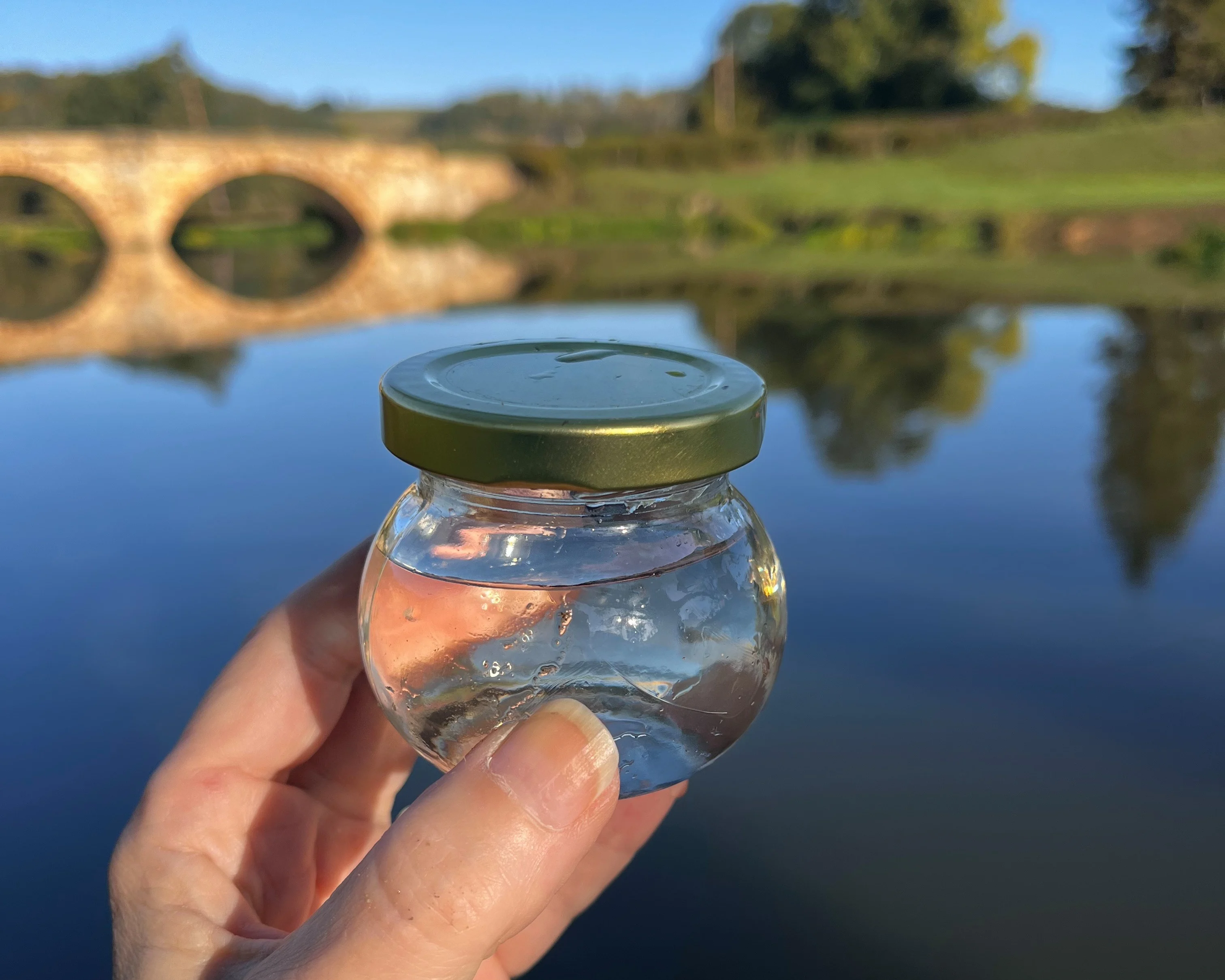
A planned ceremony in North Yorkshire is drawing attention to the rivers, streams and springs that shape local life. The event centres on water gathered from different parts of the region, turning an ordinary natural resource into a symbol of shared heritage. Preparing for the ceremony has also highlighted a practical point: collecting water from a river or spring may require permission, depending on the location and the rules that apply. The story connects a local tradition with wider questions about how people use and protect the natural world.
Waterways have long influenced life in Yorkshire. Rivers and smaller streams have supplied homes and farms, supported wildlife and helped shape the growth of towns. They also form part of the region’s cultural identity, appearing in local stories, walking routes and community events. For many residents, a river is more than a line on a map. It is a place to walk, watch birds, meet neighbours and experience the changing seasons.
Yet access to water is not always as simple as it appears. Rivers may cross private land, pass through protected areas or be managed by organisations responsible for safety and conservation. Collecting a sample can therefore involve more than taking a small bottle to the riverbank. People may need to check local rules, respect landowners and avoid disturbing plants or animals. Such care helps ensure that a personal or community activity does not damage the place it seeks to celebrate.
The ceremony also offers a chance to consider the condition of local waterways. Rivers face pressure from pollution, changes in land use, extreme weather and the effects of development. Runoff from farms and roads can carry unwanted material into streams, while sewage discharges can affect water quality. Low water levels during dry periods and sudden floods during heavy rain can create further challenges for communities and wildlife.
Protecting rivers requires action from many groups. Local councils, water companies, environmental organisations, landowners and residents all have roles to play. Monitoring water quality can help identify problems, while restoring riverbanks and wetlands may support wildlife and reduce some flood risks. Public participation matters because residents often notice changes in a familiar stream before they appear in official reports. Community events can encourage people to learn more and take an active interest in their local environment.
The tradition also shows how environmental awareness can be built through culture rather than warnings alone. A ceremony gives people a reason to gather, share knowledge and think about the places they live. Such activities can help younger generations understand why rivers matter and why careful use of natural resources is important. They may also encourage visitors to explore the region respectfully and support local businesses.
However, celebration should not replace practical work. Clean waterways depend on effective regulation, investment in infrastructure and clear responsibility when pollution occurs. Local communities need reliable information about water quality and the steps being taken to improve it. Rituals can strengthen a sense of connection, but lasting progress requires decisions that protect rivers throughout the year.
The Yorkshire ceremony offers a reminder that familiar landscapes often carry deep social meaning. A small vial of water can represent a much larger network of streams, people and responsibilities. By bringing attention to local waterways, the event encourages residents to see rivers not simply as scenery but as living systems that deserve care, respect and protection.
