

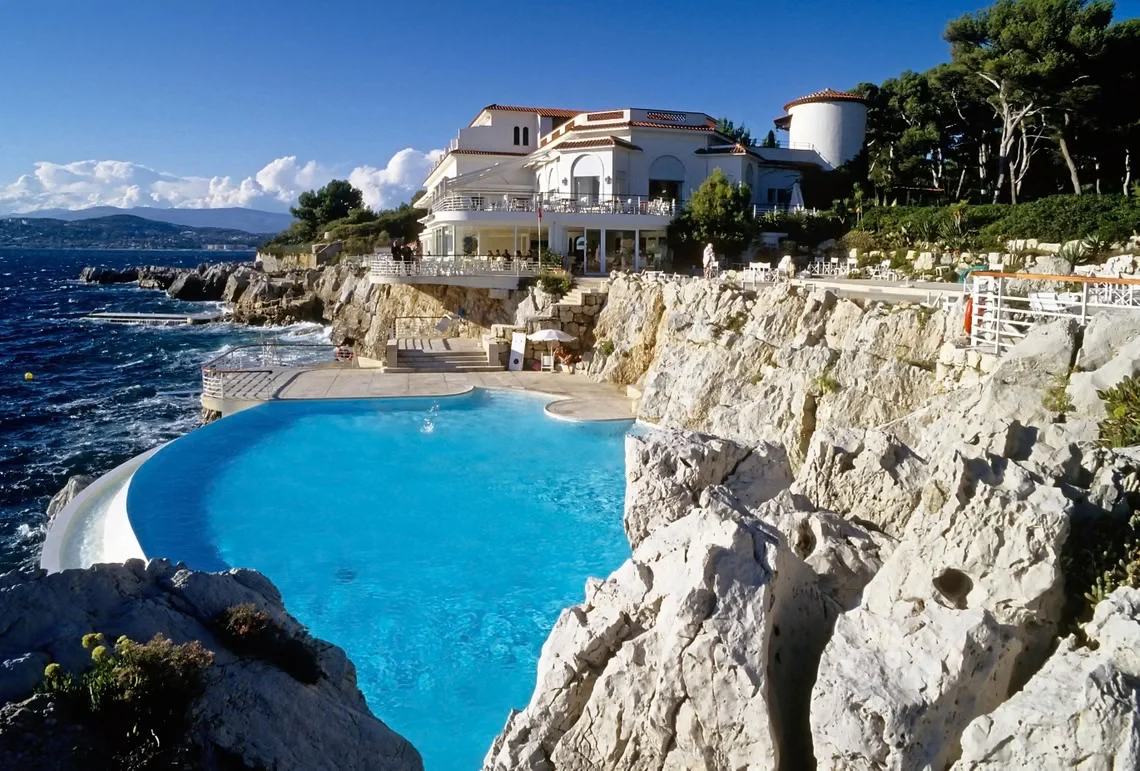
Hotels, restaurants and popular beauty spots are placing new limits on photoshoots as they respond to growing tension over social media content. The restrictions reflect a debate about how businesses can welcome visitors and promote their spaces without allowing filming and photography to disturb other guests.
For years, carefully staged photographs and short videos have helped travel and hospitality businesses attract customers. A striking hotel room, a stylish restaurant or a scenic pool can reach large audiences online. Visitors may discover new destinations through these posts, and businesses can gain attention without relying entirely on traditional advertising.
But the same trend can create problems. Some visitors arrive hoping to film content for hours, use equipment in shared areas or repeatedly arrange scenes for a camera. Other guests may feel uncomfortable appearing in the background of a video or may find that their own holiday is interrupted by a photoshoot.
Restrictions can take different forms. A business may limit filming to certain hours, require permission for professional equipment or prohibit commercial shoots in areas used by other customers. Some locations may choose to restrict photoshoots altogether if they believe the disruption outweighs the promotional benefit.
The issue also raises questions about privacy. People visiting a hotel or restaurant may not expect to become part of someone else’s online content. Clear rules can help protect guests and staff, especially where videos are recorded in shared spaces.
At the same time, businesses must consider the value of social media exposure. Influencers can introduce a place to new audiences, and positive online coverage may lead to bookings. A complete ban may be appropriate for some venues but less useful for others.
The challenge is to create fair boundaries. Visitors should be able to enjoy a place without feeling that every corner has become a filming set. Content creators, meanwhile, need to understand that public access to a business does not automatically grant unlimited permission to record or stage commercial shoots.
As more businesses review their policies, the balance between online promotion and a comfortable visitor experience is likely to remain a central concern in tourism and hospitality.
