

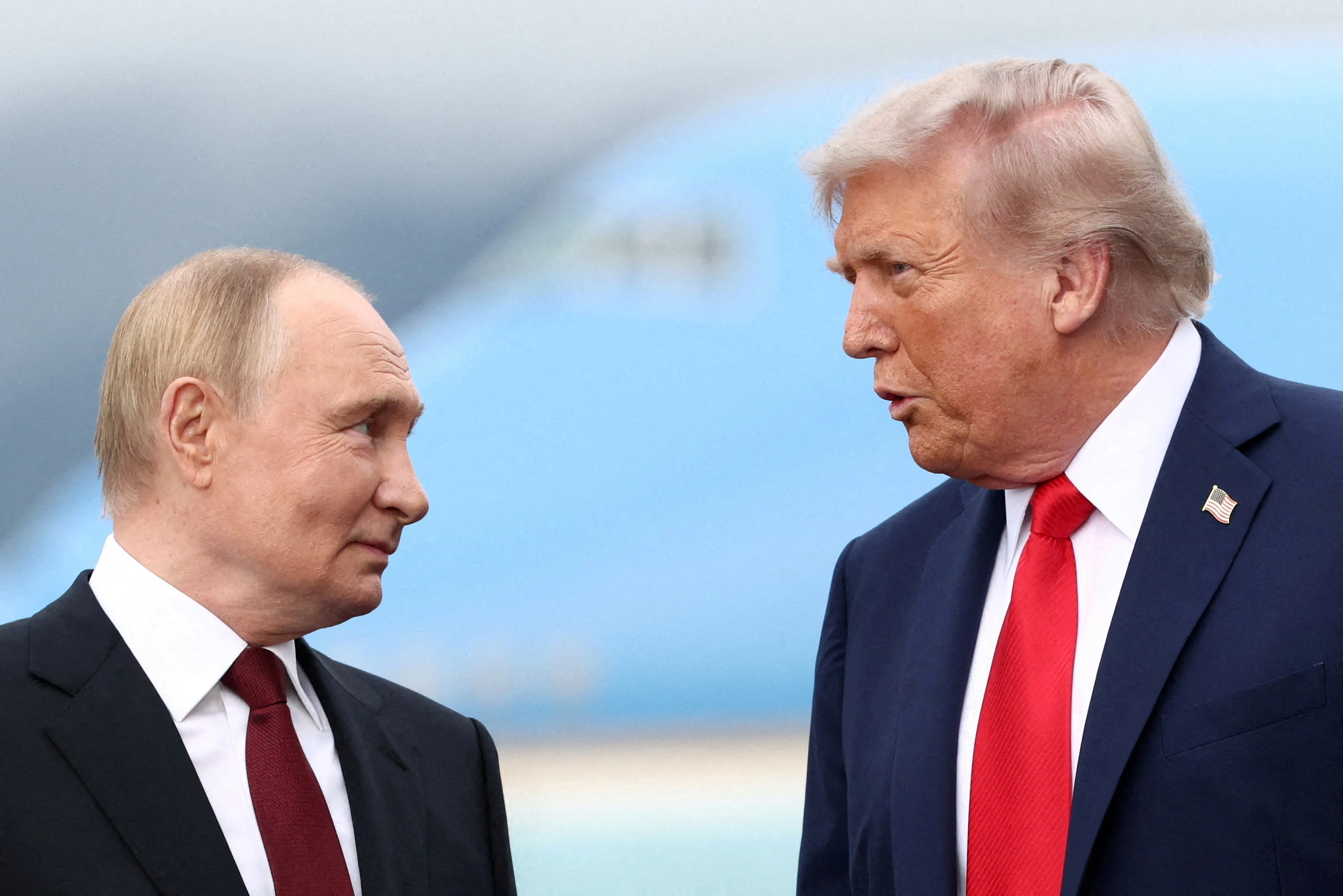
The United States is giving itself up to 60 days to assess the possible economic impact of sanctions and tariffs aimed at Russia, Secretary of State Marco Rubio has said. The review follows President Donald Trump’s decision to put key measures on hold shortly before they were due to take effect, creating uncertainty over Washington’s approach to Moscow.
The proposed measures were designed to increase economic pressure on Russia over its war against Ukraine. They included tariffs on Russian goods and penalties for countries buying Russian oil and gas. Supporters say such measures could reduce the money available to fund Russia’s military campaign. However, the policy could also affect energy prices and trade with countries that depend on Russian supplies.
Rubio said the administration wanted time to study the possible effects on both the US economy and global markets. Energy prices have risen amid the conflict involving Iran, making fuel costs a serious concern for American households. The administration has also announced a separate deal to increase Russian diesel supplies to international markets.
The sanctions decision has drawn criticism from lawmakers in both major US parties. Some argue that suspending the measures weakens pressure on Russia and could encourage further attacks on Ukraine. Others have raised questions about whether the government can manage the effects of new tariffs while trying to reduce fuel costs before the November midterm elections.
Ukraine’s President Volodymyr Zelenskyy has warned that easing pressure on Russia could help Moscow continue the war. Kyiv is already facing repeated attacks on energy infrastructure and is preparing for another difficult winter. Ukrainian officials have urged Washington and European governments to maintain financial and military support.
The policy also creates uncertainty for countries that buy Russian energy. A tariff system that targets those purchases could affect major trading partners and complicate diplomatic relationships. Governments may need to consider whether they can replace Russian supplies without raising costs for consumers and businesses.
For companies, the uncertainty makes long-term planning more difficult. Energy traders, transport firms and manufacturers must consider the risk of changing rules, higher costs and possible supply delays. A 60-day review may offer more time for analysis, but it also leaves businesses waiting for a clearer direction.
The debate shows the challenge of using economic pressure as a foreign policy tool. Sanctions can limit access to markets and raise costs for a targeted country, but they can also create consequences for other economies. The US administration must now weigh those risks against its stated goals for Russia and Ukraine.
The final decision could influence both the course of the war and global energy markets. Until the review ends, allies and trading partners will be watching for signs of whether Washington intends to restore the measures, change them or leave them suspended.
