

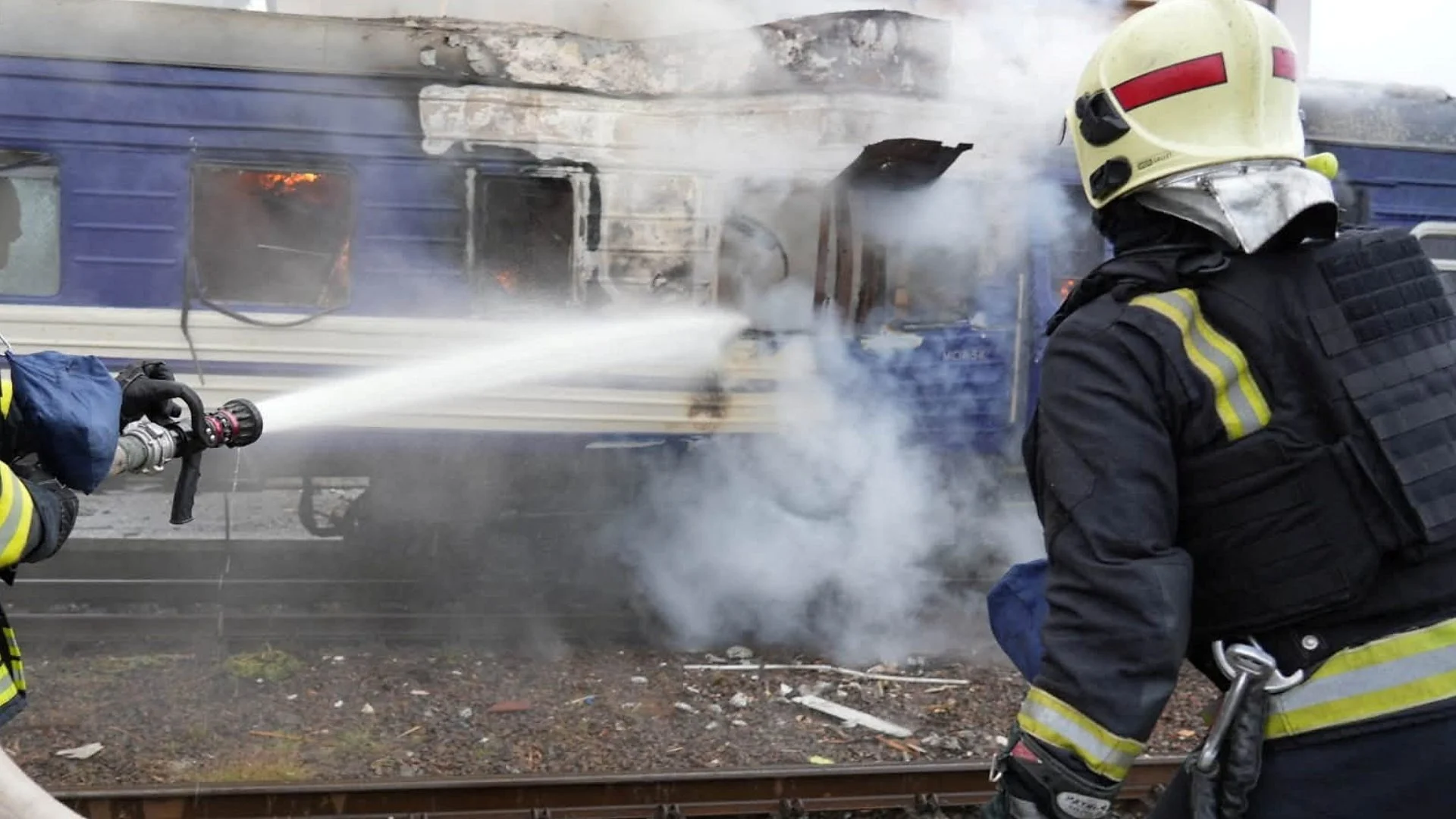
Ukrainian officials reported that a Russian drone strike fuel station Poland border incident ignited a significant fire near the Yahodyn Dorohusk crossing point, with video footage showing flames and thick smoke as firefighters worked to control the blaze near this sensitive border area.
The strike occurred in the early morning hours, adding to a growing pattern of attacks that have periodically affected areas near Ukraine’s western border with Poland, a NATO member nation whose proximity to such incidents continues generating significant international attention and concern.
Ukrainian authorities have not detailed the specific target Russian forces intended to strike, though the resulting fire at a petrol station suggests either intentional targeting of fuel infrastructure or collateral damage from a strike aimed at nearby transportation or logistics facilities.
This incident adds to a broader pattern of Russian strikes affecting western Ukrainian regions throughout the conflict, with attacks periodically occurring closer to the Polish border than earlier phases of the war, raising ongoing questions about escalation risk near NATO territory.
Polish officials have historically responded with heightened alert status following incidents near this sensitive border region, given the alliance’s collective defense commitments and the potential implications should any strike inadvertently affect Polish territory or personnel.
International observers note that attacks near border crossings serve multiple potential strategic purposes for Russian forces, including disrupting supply routes for Western military assistance flowing into Ukraine through this particular crossing point and others along the shared border.
The Yahodyn Dorohusk crossing represents one of several important transit points connecting Ukraine to Poland, serving both humanitarian and military logistics functions throughout the conflict, making infrastructure near this crossing potentially significant for broader supply chain considerations.
This latest incident occurs amid continued diplomatic efforts addressing the broader conflict, with various international actors pursuing potential pathways toward eventual resolution even as military operations continue affecting both front line areas and more distant regions near international borders.
NATO officials continue monitoring the security situation along the alliance’s eastern border closely, recognizing that incidents occurring in close proximity to member state territory carry potential implications extending beyond the immediate bilateral conflict between Russia and Ukraine.
Ukrainian officials have used incidents like this one to reinforce calls for continued and expanded international support, arguing that attacks affecting areas near international borders demonstrate the conflict’s continued unpredictability and potential for broader regional escalation.
As firefighting efforts concluded following this latest strike, regional attention remains focused on the pattern of attacks affecting areas near Ukraine’s western border. This incident adds to ongoing concerns about the conflict’s continued volatility and its implications for broader regional stability.
