

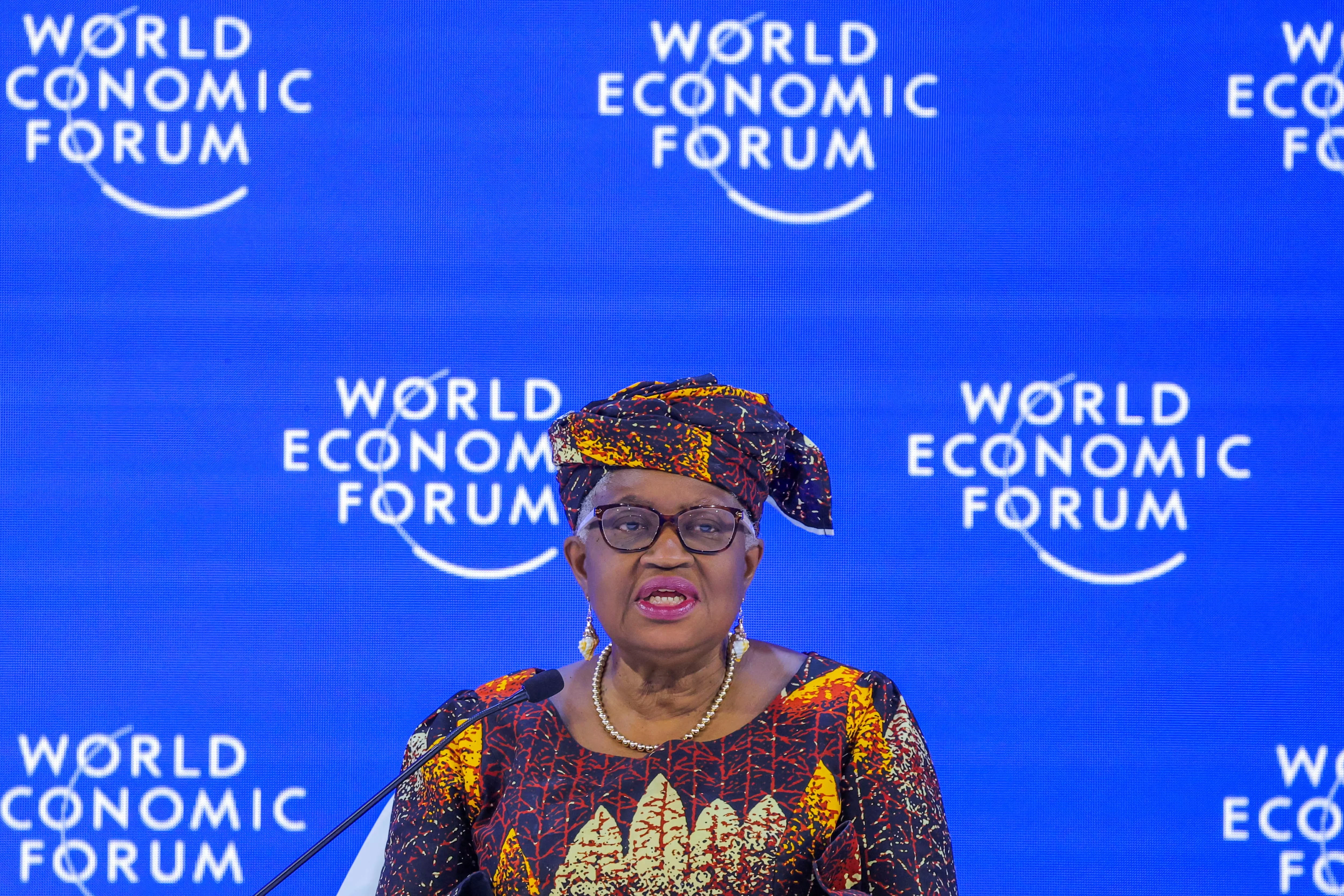
World Trade Organization chief Ngozi Okonjo-Iweala has warned that conflicts and political tension could leave lasting changes in global trade. She said the war affecting the Middle East has sharply reduced trade in the region, while companies are changing their supply chains to reduce the risks of future disruption. These changes may continue even if fighting eases.
Businesses depend on reliable routes to move goods between factories, ports and customers. When conflict threatens a shipping lane or raises insurance costs, companies may look for other suppliers or transport routes. These choices can make supply chains more expensive in the short term, but firms may consider the added cost worthwhile if it reduces the chance of future delays. The shift could affect where goods are made and how they reach international markets.
The WTO expects global trade in goods to grow in 2026, helped in part by demand for products linked to artificial intelligence. However, that growth may hide weakness in other sectors. Companies selling AI equipment can benefit from new investment, while businesses exposed to conflict, tariffs or higher transport costs may struggle. The result is an uneven outlook for countries and industries.
Okonjo-Iweala said regional trade could offer more opportunities, especially in Africa, where trade between countries remains lower than in the European Union. Stronger regional links could help businesses find new customers and reduce dependence on distant markets. However, governments still need clear trade rules and reliable infrastructure. The warning shows that political decisions and armed conflicts can change the world economy long after the immediate crisis has passed.
