

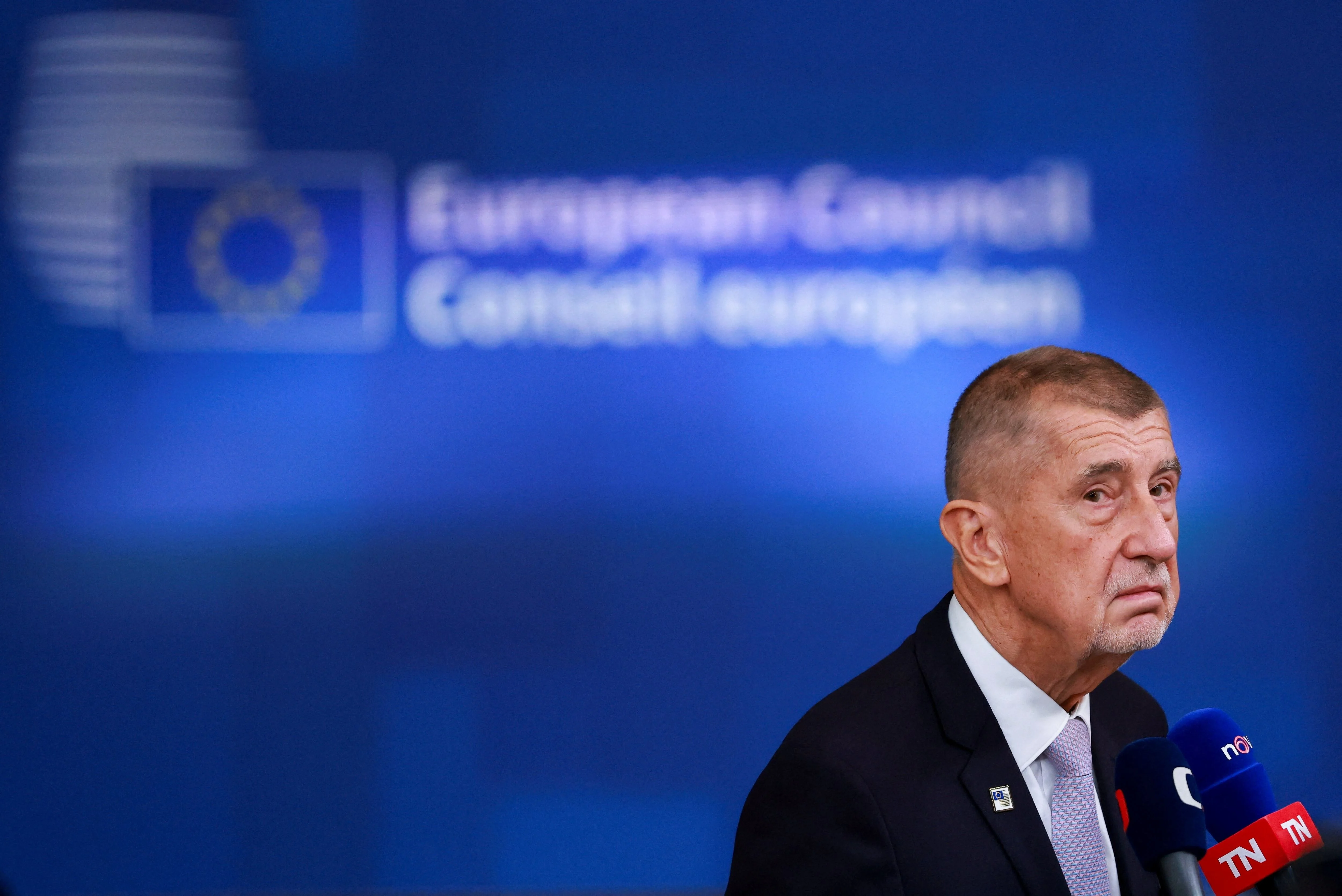
European Union leaders met in Brussels on Thursday to discuss rising imports from China, high energy prices and the bloc’s future budget. The meeting comes as European manufacturers warn that cheap imported goods are putting pressure on local factories and jobs. Leaders want to keep trade open, but they are also considering stronger measures to protect industries that struggle to compete.
The EU has a large trade deficit with China, meaning it buys far more goods from China than it sells there. European officials are concerned about competition in areas such as chemicals, steel, machinery and vehicles. They argue that local businesses need fair conditions to survive and invest in new production. China has rejected claims that its exports create an unfair market and says European protection measures could limit normal trade.
Germany’s position has become an important part of the debate. The country has long depended on trade with China and was cautious about earlier EU tariffs on Chinese electric vehicles. However, concerns about industrial jobs have pushed German leaders to support stronger trade tools in some areas. France has also called for a firmer response to imports that threaten European producers.
The summit also covers energy prices and the EU’s next long-term budget. These issues are linked because high energy costs make European factories less competitive, while public funding can support new industries and infrastructure. Leaders must find a balance between protecting workers and avoiding a trade dispute that could harm consumers. Their decisions may shape the EU’s economic relationship with China for years to come.
