

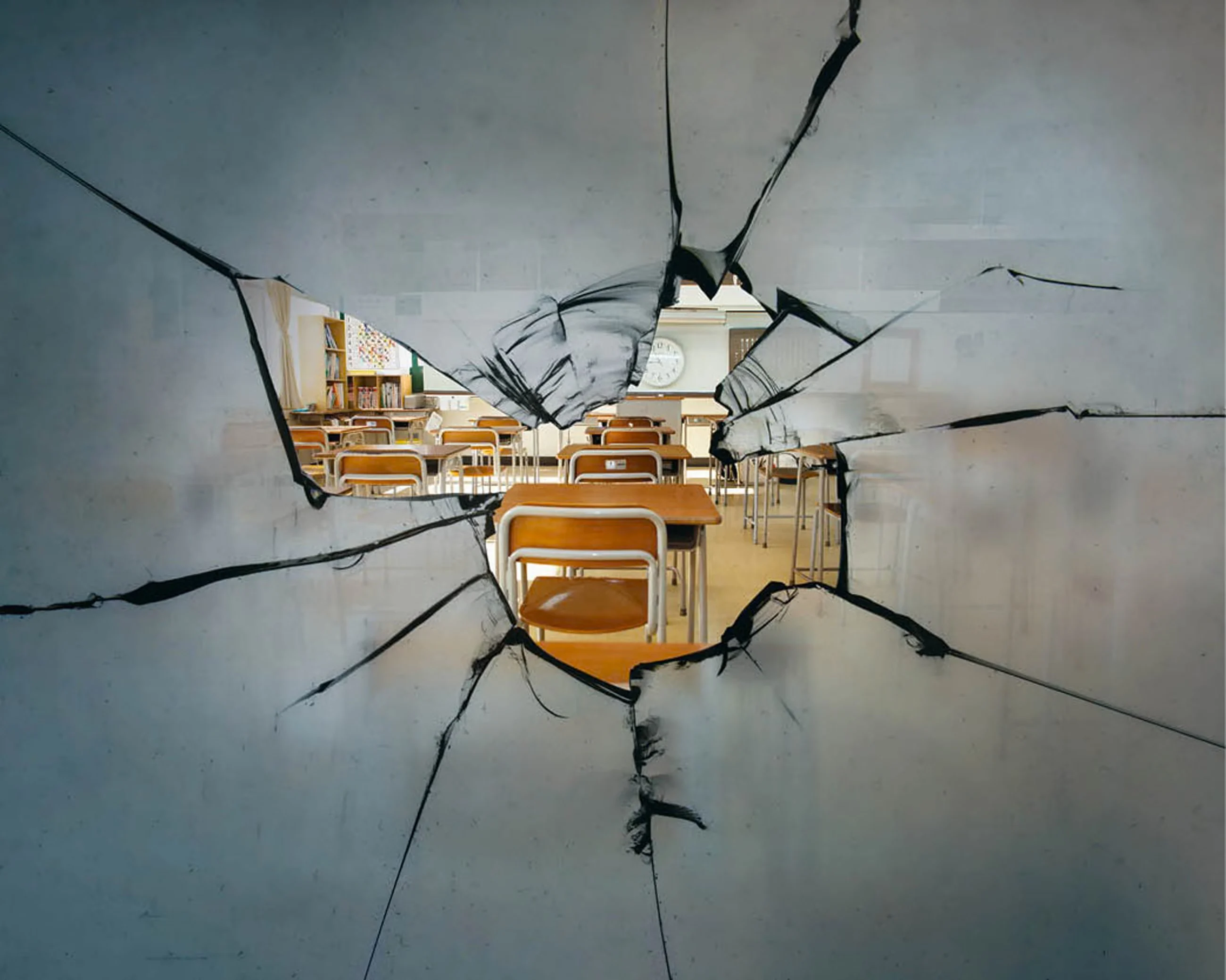
A growing number of serious attacks on schools in France has raised concern about youth behaviour, social pressure, and the condition of public institutions. In several cases, young people have broken into school buildings, damaged equipment, overturned furniture, and set fires. These acts have caused costly repairs and left pupils, parents, and teachers dealing with the effects long after the damage was done.
One case in the eastern suburbs of Lyon drew attention after two former pupils entered a primary school and filmed themselves damaging classrooms and other areas. The footage was later shared online. The building suffered extensive damage, including destruction caused by small fires. The municipality spent a large sum restoring the school, while pupils had to use temporary facilities during repairs.
The incident was not the only example. Reports have described similar break-ins at schools in other parts of France, including cases where computers were smashed and classrooms were left in disorder. Some attacks have involved young teenagers who previously attended the schools. The fact that pupils sometimes target places they once knew has added to the concern among families and education staff.
Experts say there is no single explanation for the behaviour. Some incidents may begin with peer pressure or online challenges, where young people try to impress friends by recording extreme actions. Other cases may be linked to anger, school failure, family difficulties, or a sense that public institutions have failed to offer a fair chance. These factors do not excuse the damage, but they may help explain why some young people act in destructive ways.
The effect on children can be serious. Pupils may lose work, personal drawings, classroom materials, and a sense of safety. Teachers can also feel that their workplace has been violated. Even after repairs are complete, the memory of the damage may remain with a school community. In areas with fewer public resources, the cost of rebuilding can also take money away from other local needs.
Some communities have improved security by adding alarms and linking them to central monitoring services. However, security alone may not address the reasons behind the behaviour. Education specialists argue that schools need to identify pupils who are struggling and offer support before problems grow. Families, teachers, local officials, and youth services may all have a role.
The issue has become part of a wider debate about how France supports young people and protects public spaces. Strong action may be needed when crimes occur, but prevention also matters. Understanding why students turn against schools could help communities reduce future damage and protect the places where children learn.
