

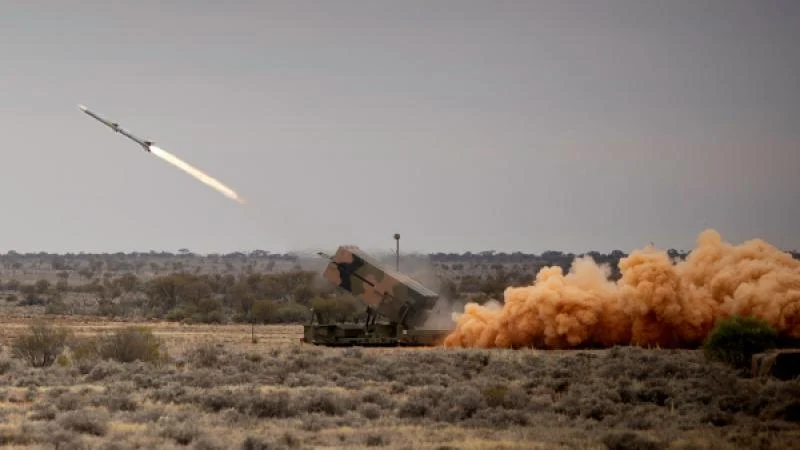
Iran launches missiles US bases action overnight, striking American positions in Jordan and Kuwait in direct defiance of a warning from President Trump that any retaliation would be met with an even harsher response. The strikes mark a sharp return to open hostilities after a brief pause.
The attacks came hours after American forces struck Iranian military targets, including radar installations that Iran uses to track and strike commercial vessels moving through the Strait of Hormuz. Iran’s Revolutionary Guard confirmed it had launched what it called a fitting response against the aggressors.
Kuwait reported incoming missiles and drones, with air defense systems intercepting most of the threats before they could cause significant damage. Jordanian security sources confirmed that some missiles aimed at their territory were not fully intercepted, though officials reported no casualties from the strikes.
Iran’s military said its air defenses had also shot down an American surveillance drone during the exchange, adding another data point to an already tense night of strikes and counterstrikes across the region. Iranian officials described the overnight strikes as a measured response given the scale of American attacks.
According to Iranian sources, at least five people were killed and more than fifty wounded in the American strikes that preceded Iran’s retaliation, with casualties reported among both military personnel and civilians in southern Iranian provinces. Iran said several Revolutionary Guard members were among those killed.
The overnight strikes shattered what had briefly appeared to be a path toward de-escalation, following a short pause in direct hostilities earlier in the week. Energy market analysts had cautiously noted signs the conflict might be winding down before this latest exchange reignited fears of a prolonged confrontation.
This marks the latest chapter in a conflict stretching back more than six months, beginning with joint American and Israeli strikes that targeted senior Iranian officials and military infrastructure. Since then, the two sides have continued trading strikes, with the Strait of Hormuz remaining the primary flashpoint throughout the extended standoff.
Regional allies hosting American forces, including Jordan, Kuwait, and the United Arab Emirates, have found themselves repeatedly caught in the crossfire throughout the conflict. These countries have consistently condemned attacks on their territory while working to maintain their own security amid the broader regional instability.
International diplomatic efforts to end the conflict have continued in parallel with the fighting, though talks between American and Iranian delegations earlier in the year failed to produce a lasting resolution. Both sides have periodically expressed openness to negotiations even while continuing military operations against each other.
Energy markets reacted swiftly to news of the overnight exchange, with oil prices climbing further as traders weighed the prospect of continued disruption to shipping through the strategically vital waterway. Analysts note that each new round of strikes tends to push prices higher, at least in the immediate aftermath.
As both sides continue trading blame for the renewed hostilities, the path toward any lasting resolution appears more uncertain than ever. With regional allies increasingly caught in the middle and energy markets remaining on edge, the coming days will likely determine whether this latest escalation represents a temporary flare up or a more sustained return to open conflict.
