

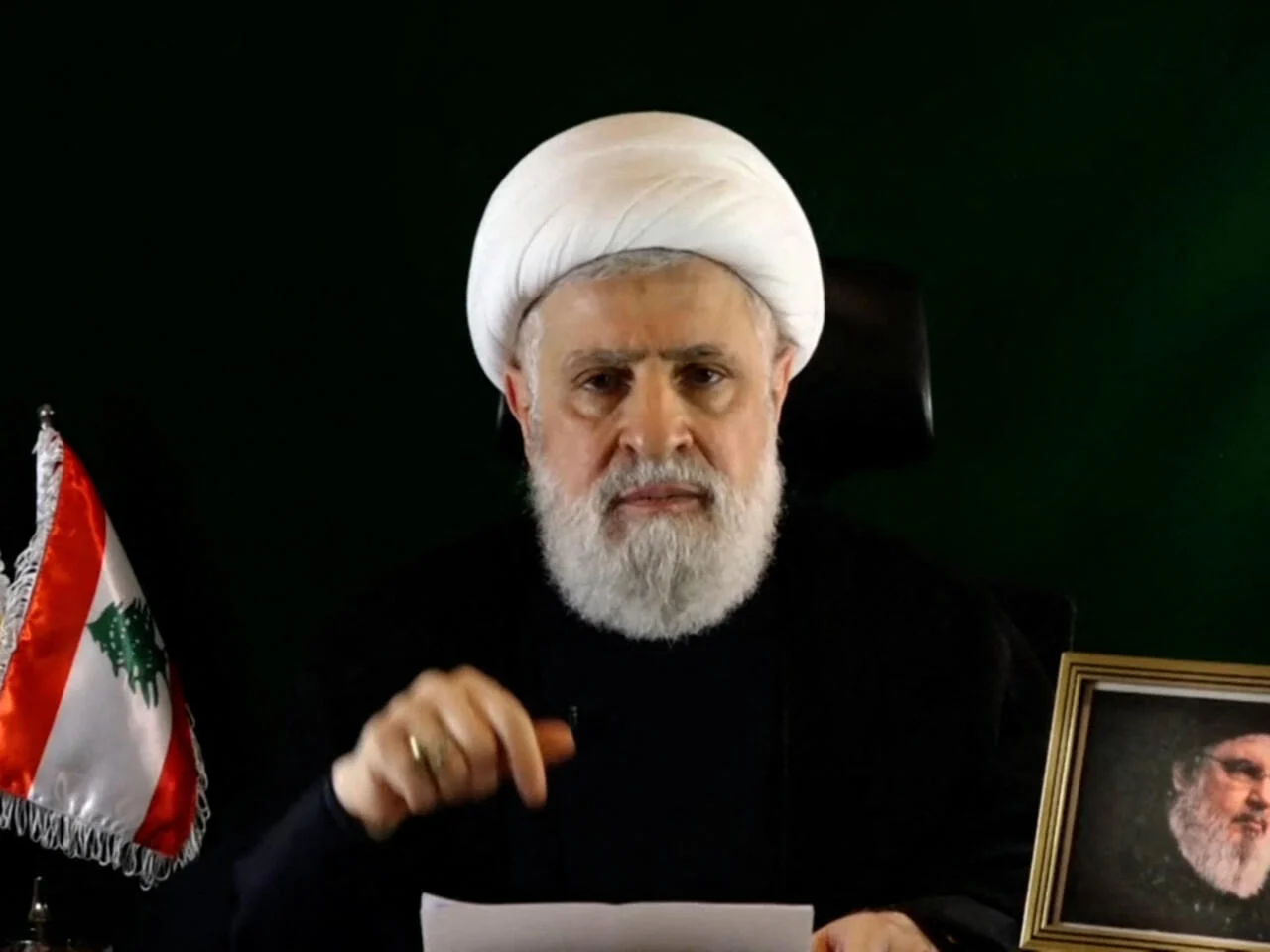
A major armed group in Lebanon has again rejected a peace framework tied to Israel. Its leader called the plan unfair. He said his group will not accept anything close to surrender.
The framework in question aims to reduce years of conflict between Lebanon and Israel. It calls for changes in how armed groups operate near the border. Supporters say it could bring lasting calm to a region marked by repeated flare-ups.
The group’s leader described the plan using strong words. He called it unlawful and humiliating. He said his side would not lay down its weapons under these terms. This stance keeps a major sticking point in place for any wider peace effort.
This is not the first time talks have stalled. For years, disputes over weapons and control near the border have blocked progress. Each side blames the other for a lack of trust. That pattern appears to be continuing now.
At the same time, new details have come out about earlier private talks. Reports say a top security official approved direct contact between intelligence services and the group. These contacts reportedly began after a deadly hostage event two years ago. Officials only allowed this information to become public this week.
Such backchannel talks often move separately from public statements. Leaders may reject a deal in public while still exploring options through quieter channels. This gap between public words and private moves makes the situation hard to read clearly.
Public rejection carries real weight, though. It signals to supporters that leadership will not appear weak. It also puts pressure on mediators trying to build trust between the two sides.
The wider region is watching this closely. Nearby, tensions in Gaza and the West Bank remain high. Any shift in Lebanon could affect the mood across several fronts at once. Diplomats often describe the region as a set of connected dominoes, where a change in one place can shift attitudes elsewhere.
Military activity has also picked up along the border in recent months. Officials have ordered more troops to sensitive areas. This buildup adds pressure on both governments to find some kind of stable arrangement soon.
Civilians on both sides continue to bear the cost of this standoff. Communities near the border live with the constant risk of renewed fighting. Displacement and property damage from past rounds of conflict remain fresh in memory for many families.
International mediators have not given up. Diplomats continue to push for dialogue, even after public rejections like this one. History shows that strong public statements do not always mean talks are fully closed.
Analysts say the next steps depend on internal politics as much as external pressure. Leadership within the group faces its own pressures to appear strong. Meanwhile, Israeli officials must weigh security concerns against the value of a long-term deal.
For now, the framework remains stalled. Both sides continue to trade statements rather than agreements. Whether quiet diplomacy can eventually succeed where public offers have failed remains an open question.
The coming months could prove decisive. Any small shift, whether military or diplomatic, could either reopen the door to talks or close it further.
