

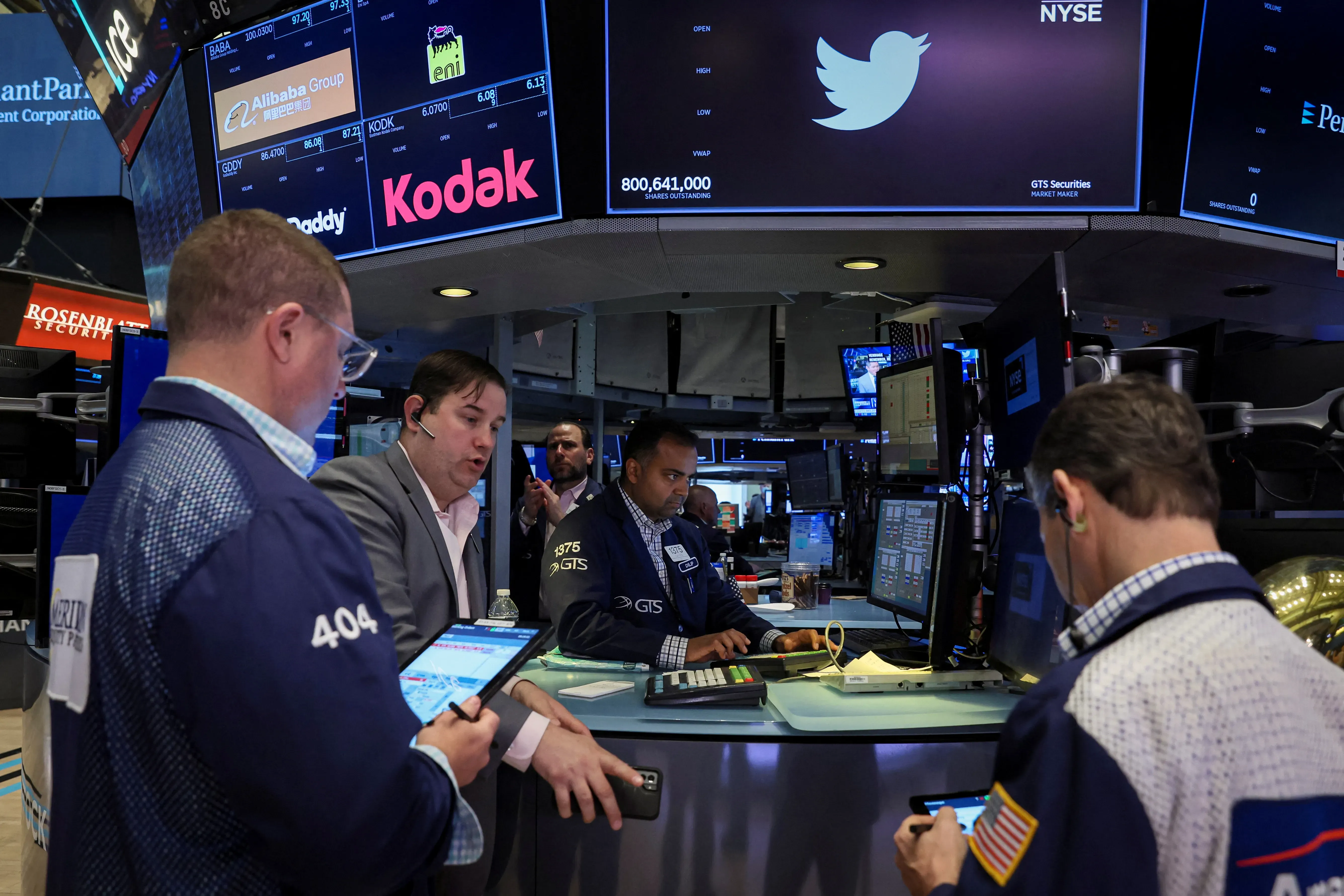
US stock markets showed signs of recovery on Friday after a difficult week in which investors sold shares across several major industries. The Nasdaq Composite rose 1.1%, while the S&P 500 gained 0.3%. The Dow Jones Industrial Average moved in the opposite direction, falling 0.5%. The mixed performance brought some relief to investors after a major technology-led sell-off had caused losses across global markets.
Technology shares helped support the recovery. Several companies linked to artificial intelligence and semiconductor production regained value after suffering steep declines in the previous trading session. Nvidia rose 2.8%, while other companies involved in data centres and chip manufacturing also recorded gains. The rebound suggested that some investors were buying shares after prices fell sharply, although concerns about the future of AI investment remained.
The market had been under pressure following the Democratic Party’s sweeping victory in the US midterm elections. Investors are concerned that the incoming Democratic-controlled Congress may increase scrutiny of artificial intelligence companies and large data-centre projects. Some lawmakers have raised concerns about the amount of electricity and water used by these facilities, as well as the financial incentives offered to companies building them.
A strong US employment report also influenced trading. Employers added more jobs than expected in October, while the unemployment rate declined to 4.1%. The figures suggested that the labour market remained stronger than some analysts had predicted. However, stronger employment can also increase concerns about inflation because higher demand for workers may lead to rising wages and costs.
Despite Friday’s gains, the main US indexes finished the week lower. The Nasdaq lost 3.4% over the five trading sessions, while the S&P 500 declined 2.7%. The Dow recorded a smaller weekly fall of 0.9%. The results showed that one positive session was not enough to erase the impact of the earlier sell-off.
Investors will now watch economic data, company earnings and political developments for signs of where markets may move next. The recovery suggests that buyers remain interested in technology shares, but uncertainty about regulation, interest rates and AI spending continues to affect confidence. A more stable market will depend on whether companies can demonstrate that their large investments in artificial intelligence are producing sustainable returns.
