

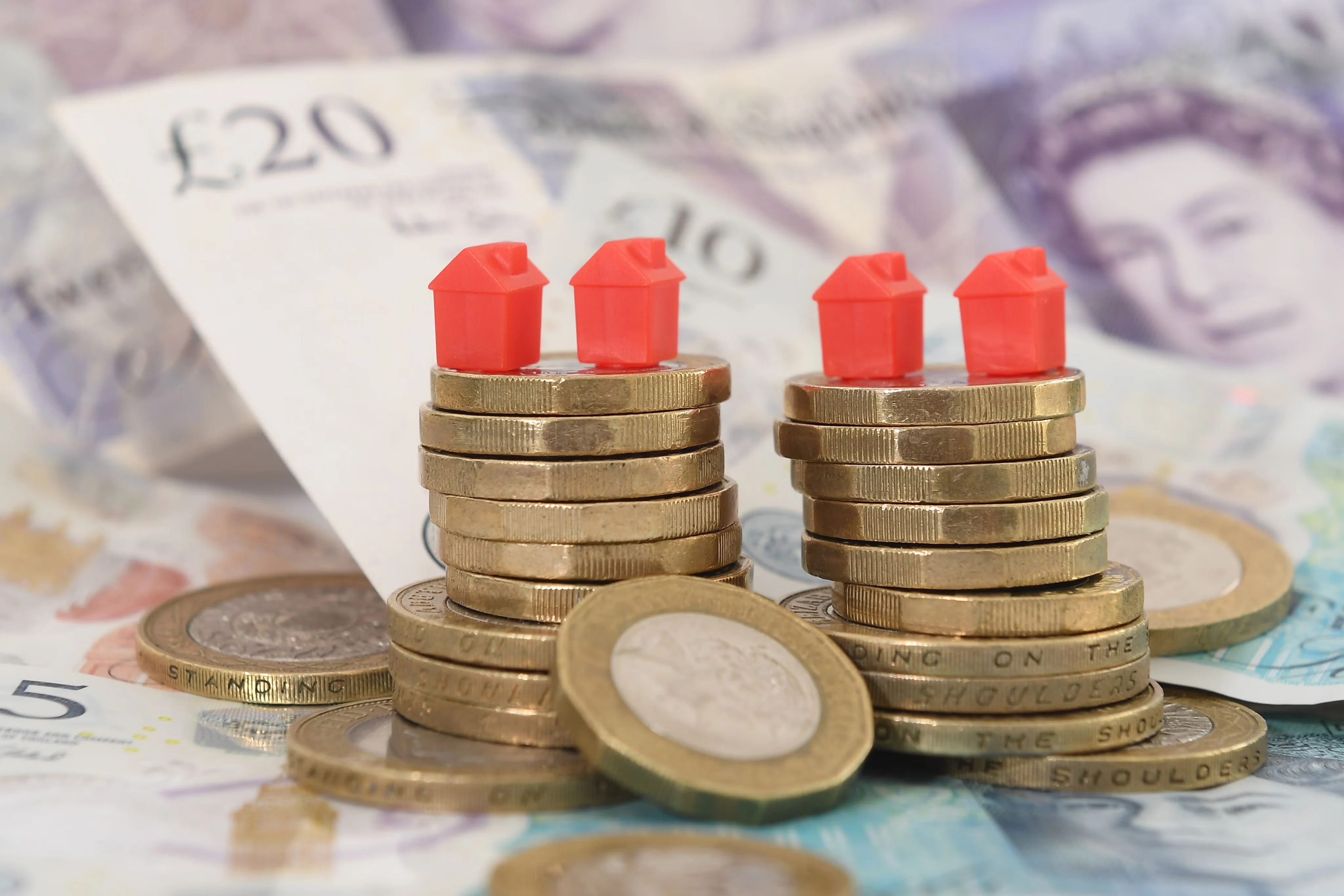
More than 2.3 million households in the United Kingdom could face higher mortgage payments in 2027 as existing fixed-rate agreements expire and borrowers move on to more expensive deals. The warning comes as financial markets expect the Bank of England to increase interest rates later this week in response to rising inflation. The change could place additional pressure on families already dealing with higher energy and household expenses.
The Bank of England’s base rate has remained at 3.75% since December last year. However, inflation rose to 3.5% in September, increasing expectations that policymakers may raise the rate to 4% on November 5. The decision will be closely watched by homeowners, banks and businesses because borrowing costs influence mortgage rates and wider economic activity.
The situation has changed significantly since the beginning of the year. Before the conflict in the Middle East, economists expected the Bank of England to reduce interest rates several times as inflation moved towards its 2% target. However, the war and disruption to energy supplies have pushed oil prices higher, contributing to increased costs across the economy.
Higher energy prices can affect transport, manufacturing and household bills. Businesses may pass some of these costs on to consumers, while employees may seek higher wages to maintain their purchasing power. If price increases become embedded in the economy, the Bank of England may face pressure to maintain or raise interest rates.
The Bank’s Monetary Policy Committee will examine whether higher prices are beginning to influence wage demands and business decisions. Governor Andrew Bailey has indicated that policymakers are watching for second-round effects, which occur when an initial increase in costs leads to further price and wage increases.
For households approaching the end of a fixed-rate mortgage, the timing is particularly difficult. Borrowers who secured low rates several years ago may now face significantly higher monthly payments when they refinance. The size of the increase will depend on the remaining loan balance, the length of the new agreement and the rates offered by lenders.
The economic outlook is also uncertain. Britain’s economy performed better than expected during the first half of 2026, supported partly by growth in technology-related sectors. However, forecasts for the following year have been reduced because economists expect higher energy costs to weigh on demand and investment.
Financial markets have suggested that the Bank of England could raise rates several times by next July. Some economists believe that fewer increases may be necessary, depending on how inflation develops and whether energy prices begin to ease.
The prospect of higher mortgage payments creates another challenge for the housing market. Families may reduce spending elsewhere to manage larger repayments, while potential buyers could delay purchases if borrowing becomes less affordable. The effects may also reach retailers and service businesses if households have less money available for other expenses.
The coming interest rate decision will provide an important signal about the Bank’s approach to inflation. For millions of borrowers, however, the wider concern is how much more they may need to pay when their existing mortgage agreements end.
