

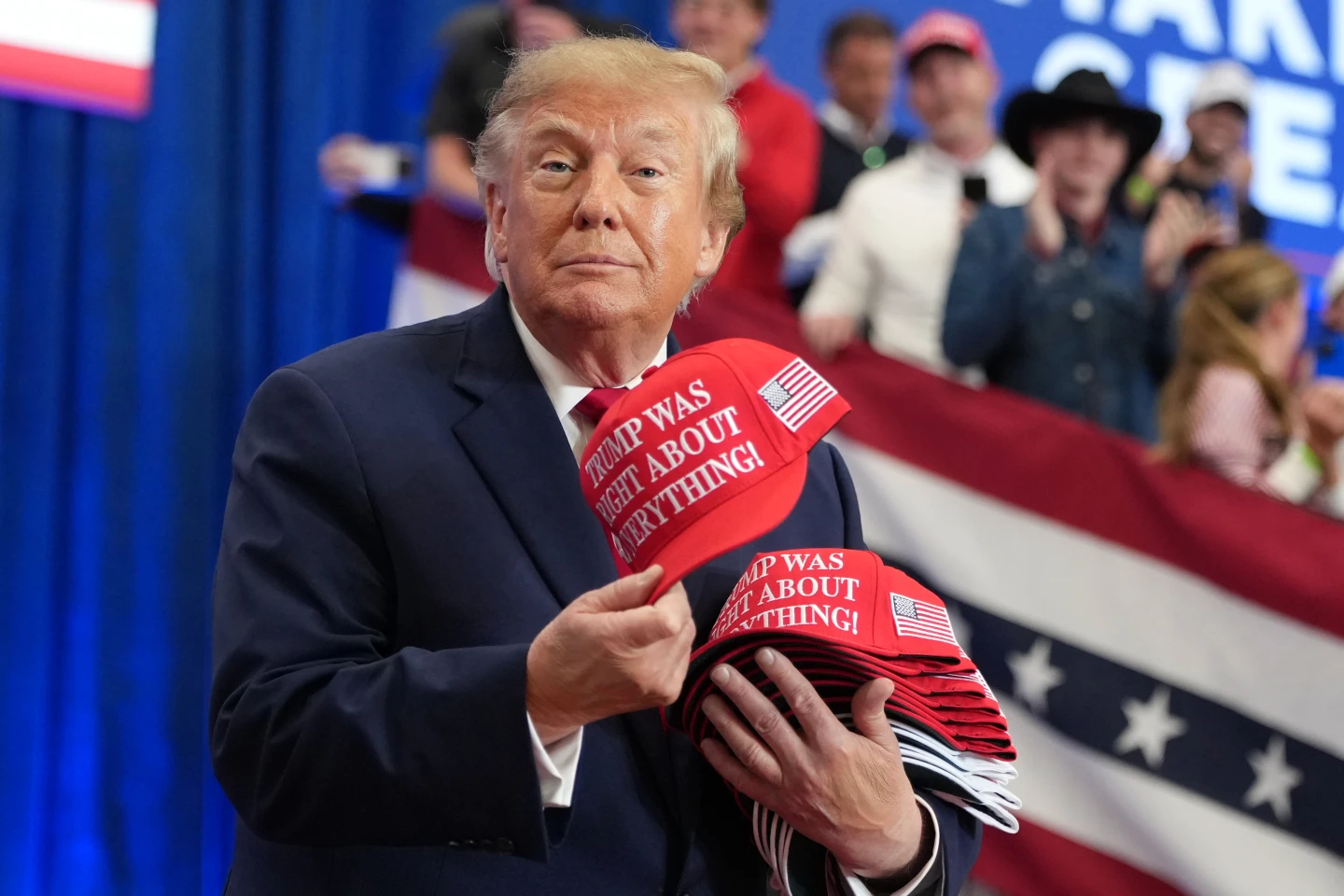
President Donald Trump is making his own political standing a central part of the Republican campaign ahead of the United States midterm elections. He has held rallies, promoted Republican candidates and urged voters to keep his party in control of Congress. The strategy reflects his belief that personal support from his political base can help candidates win close races. However, concerns about prices, household costs and his leadership could make the campaign more difficult than his team hopes.
Trump has used public appearances to present the elections as a choice between his policies and those of the Democrats. He has also encouraged political groups linked to him to spend large sums supporting Republican candidates. His campaign approach relies on the idea that enthusiastic supporters will turn out to vote and persuade others to back the party. Yet high energy at rallies does not always translate into votes across a whole district or state.
The economy is likely to be a major issue for many voters. People continue to pay attention to fuel prices, food costs, housing and the wider effect of the conflict involving Iran. These concerns can shape views even among voters who agree with a party on other issues. Polling cited in the report suggests that many Americans remain unhappy with the cost of living, creating a challenge for Republicans as they seek to defend their congressional majority.
Trump’s involvement may help Republican candidates who benefit from his popularity among loyal supporters. His endorsements can attract media attention, raise money and bring campaign events to areas where races are closely contested. At the same time, making the president the main focus can create risks for candidates who need support from independents or voters who are uncertain about his leadership. A campaign that energises one group may also strengthen opposition among another.
Democrats are hoping to turn dissatisfaction with the administration into gains in competitive races. They are likely to focus on household expenses, government decisions and the balance of power in Washington. Their success will depend on whether they can turn public concern into a clear message and encourage supporters to vote. Candidates will also need to respond to local issues that may matter more to voters than national political arguments.
The midterm elections will shape the final years of Trump’s current term by determining how easily his administration can pass laws and secure congressional support. A strong Republican result could help him advance his agenda, while losses could lead to investigations, delays and more difficult negotiations. The campaign is therefore important not only for individual candidates but also for the direction of federal policy.
For voters, the central question is whether the administration has delivered on the issues that matter most to their lives. Campaign rallies and political advertisements can influence public debate, but election results will depend on how people judge the economy, leadership and competing plans. Trump’s decision to place himself at the centre of the Republican effort may energise his base. It will also make the outcome a direct test of his political influence.
