

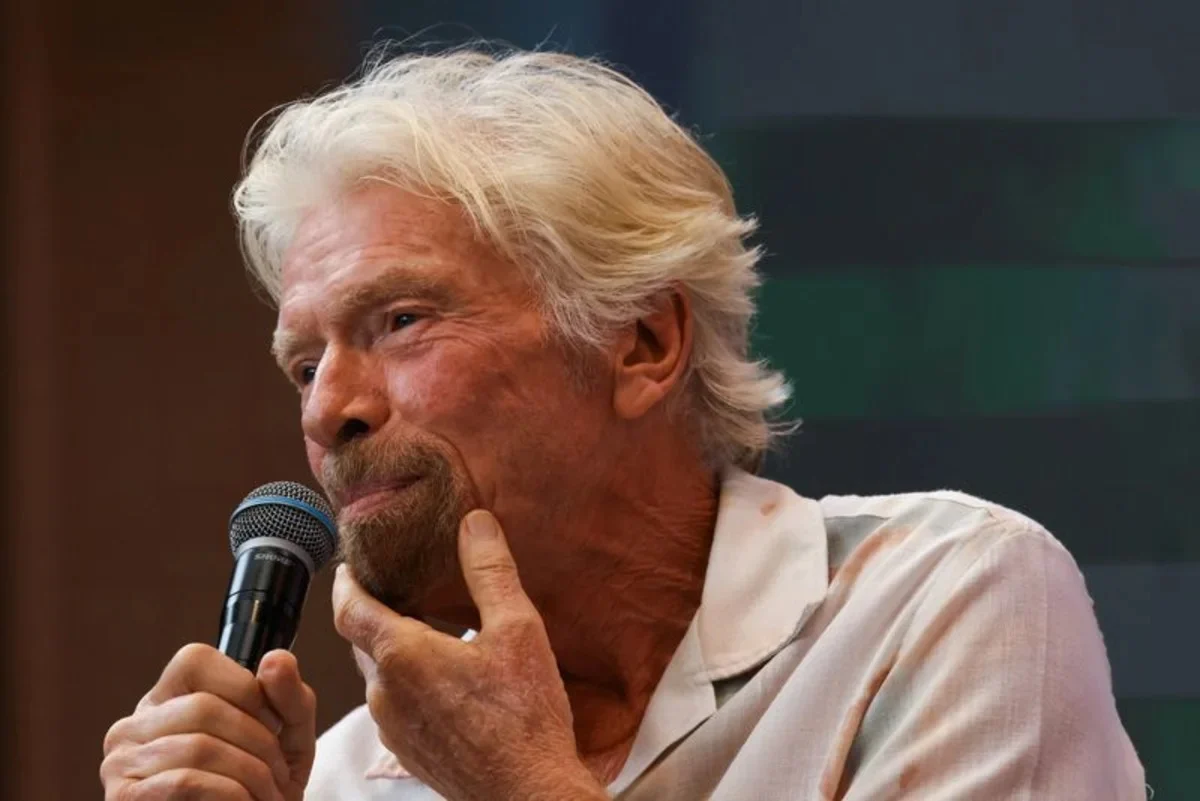
British entrepreneur Richard Branson said on October 21 that Venezuela could attract more foreign investment once the country holds elections and offers investors greater confidence in its future. His comments came during the Startup Venezuela Summit in Caracas, where business leaders and entrepreneurs discussed the country’s prospects for rebuilding its economy and attracting new capital.
Venezuela has major natural resources, including large oil reserves, but political and economic uncertainty has limited the willingness of many foreign companies to commit money to long-term projects. Investors often need clear laws, reliable courts and predictable rules before they build facilities, hire workers or enter new markets. Without those conditions, even a country with valuable resources may struggle to attract the funds needed for growth.
Branson said investors were waiting for greater legal certainty. His view reflects a common concern among international businesses: a change in political leadership does not automatically create a safe environment for investment. Companies must also understand how contracts will be enforced, whether they can move profits, how taxes may change and whether future governments will respect agreements made today.
Venezuela’s interim president, Delcy Rodríguez, and US President Donald Trump have both said the country will hold elections, but no clear timetable had been provided in the report. The lack of a firm schedule leaves businesses uncertain about when political conditions might change. Investors may delay decisions until they have more information about the electoral process and the policies likely to follow it.
The oil and gas sector is especially important to Venezuela’s recovery prospects. Energy projects can require large sums of money, specialised equipment and years of planning. Companies also need confidence that they can operate safely and sell their products under stable commercial terms. If political and legal risks remain high, firms may choose to invest elsewhere, even when the potential returns in Venezuela appear attractive.
However, investment in a country cannot be judged only by the size of its natural resources. Businesses also consider transport networks, electricity supplies, skilled workers, access to credit and the strength of local institutions. A broader recovery would require improvements across these areas, not simply an increase in oil production or a few high-profile foreign deals.
For local businesses, new investment could create jobs, increase demand for services and support the development of new industries. Small companies may benefit when larger projects need transport, food, construction, technology and professional services. Yet those gains depend on whether new capital reaches the wider economy and creates opportunities beyond a limited number of sectors.
Branson’s comments highlight both the opportunity and the uncertainty facing Venezuela. Elections may help clarify the country’s political direction, but investors will look for practical evidence that the rules are changing. Clear legal protections, credible institutions and consistent economic policy will be essential if the country hopes to turn interest from foreign businesses into lasting investment and employment.
