

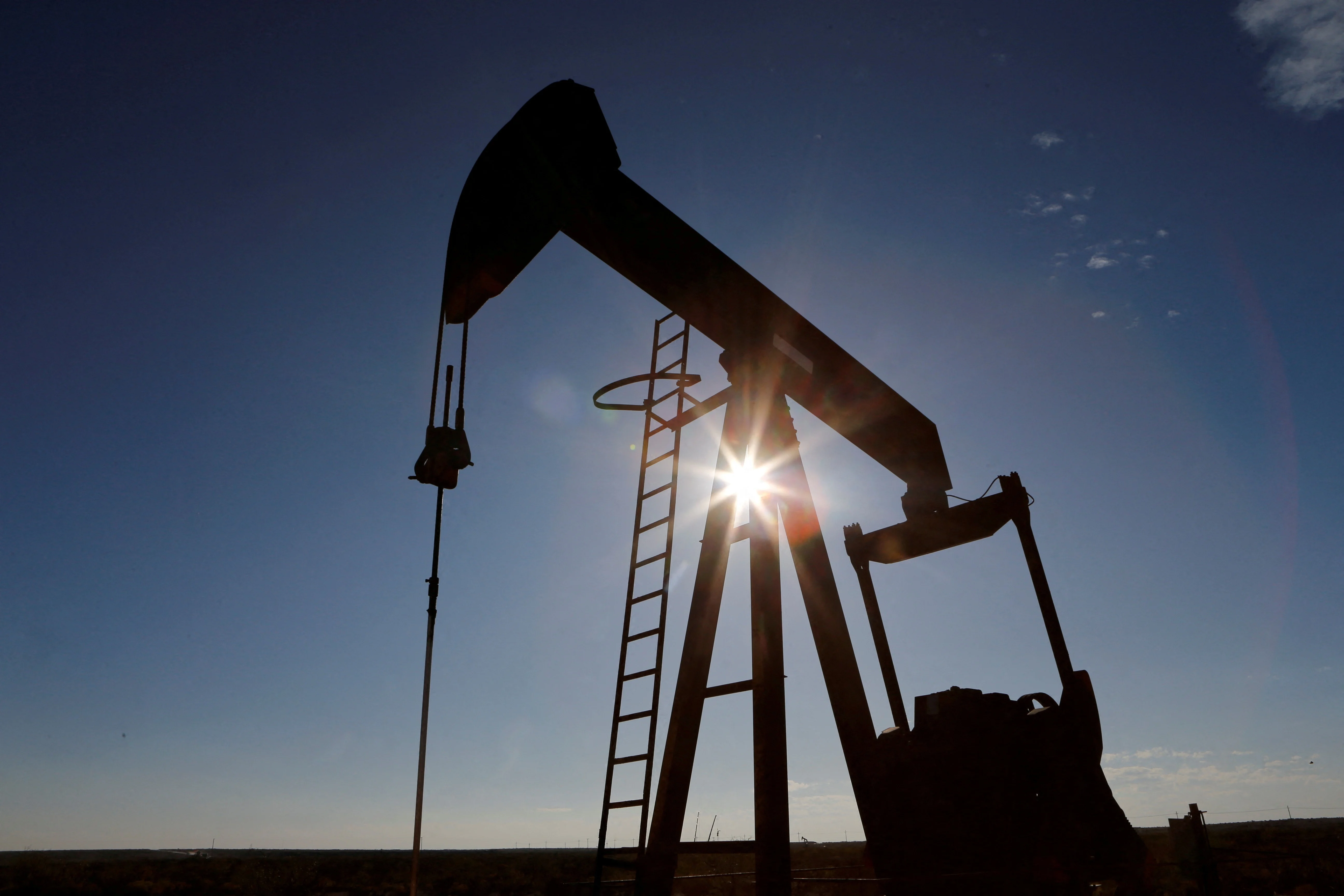
Global oil prices climbed sharply on Saturday, with Brent crude reaching around $110 a barrel for the first time since May. The increase reflects growing concern that conflict in the Middle East could disrupt supplies and make energy more expensive for businesses and households.
Attacks on energy infrastructure and rising threats to shipping routes have unsettled oil markets. The Strait of Hormuz is especially important because large volumes of oil pass through the narrow waterway. Any long disruption could force ships to change routes, delay deliveries and increase transport costs.
The rise in crude prices could also add to inflation. Fuel costs affect transport, farming, manufacturing and the delivery of everyday goods. If companies face higher energy bills, they may raise prices or reduce spending elsewhere. Households could feel the pressure through more expensive petrol, heating and food.
The situation creates a difficult choice for central banks. Higher energy costs can push inflation up just as policymakers are trying to keep price rises under control. If inflation remains high, interest-rate cuts may become less likely. Higher rates can then make borrowing more expensive for families and businesses.
Governments are considering ways to limit the effect on consumers and keep supplies moving. Strategic reserves can provide temporary support, but they cannot fully replace normal production and shipping over a long period. A lasting reduction in prices would likely require calmer conditions and more reliable supply.
Investors are also watching how higher oil prices affect financial markets. Expensive energy can reduce company profits and weaken consumer spending. It may also benefit some energy producers while putting pressure on airlines, transport firms and manufacturers.
The latest rise shows how quickly geopolitical events can affect the global economy. Oil markets react not only to actual supply losses but also to the risk of future disruption. If tensions continue, businesses and households may face further uncertainty over fuel costs and inflation.
