

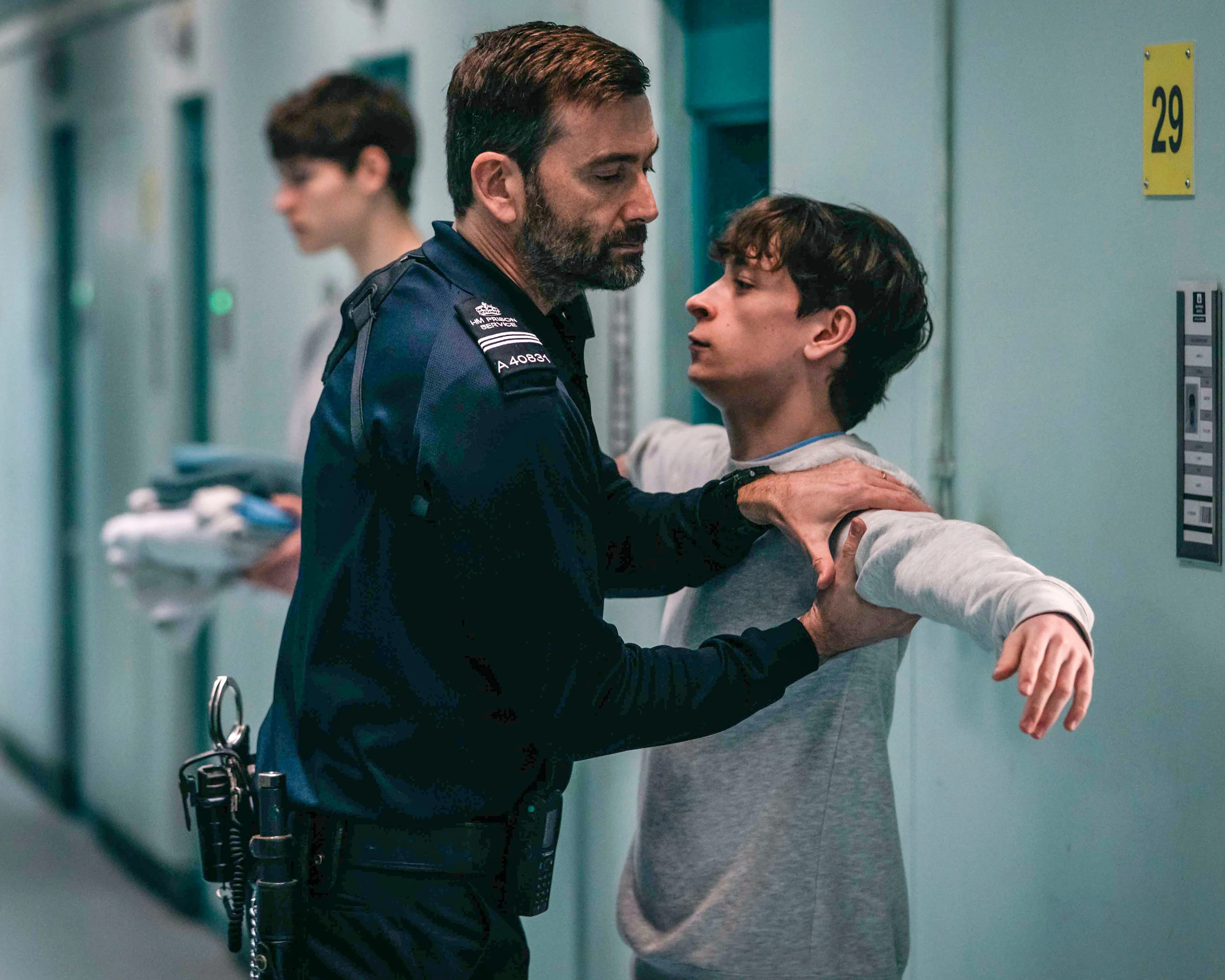
Actor David Tennant is returning to television in a new chapter of the prison drama Time, a series known for its serious look at life inside the justice system. The latest story focuses on a young offenders institution and the people who work and live within it. The drama explores how punishment, personal choices, and difficult living conditions can shape the lives of both prisoners and staff.
Tennant plays Bobby Bailey, a prison officer who has become disillusioned with his work. His character must manage the daily pressures of a place where conflict can rise quickly and where small decisions can have serious results. Siobhan Finneran also returns as chaplain Marie-Louise, whose role gives her a different view of the people living and working behind the prison walls.
The series follows young inmates who are dealing with their own histories and uncertain futures. Some struggle with guilt, anger, or pressure from other prisoners. Others are still trying to understand how they arrived in the institution and what life might look like after release. The drama asks whether a system built around punishment can also give young people a real chance to change.
Time uses a serious tone and often relies on quiet scenes rather than long speeches. This approach allows the actors to show fear, regret, and frustration through small actions and conversations. The prison setting creates constant tension because characters cannot easily escape the consequences of their choices. The result is a story that asks viewers to think about the human cost of incarceration.
The programme also raises questions about the wider system. Staff must work under pressure, while inmates may have limited access to support and opportunities for rehabilitation. When services are stretched, it can become harder to prepare young people for life outside prison. The series does not offer simple answers, but it shows how institutions can shape the choices available to people within them.
The new instalment continues the show’s focus on social problems through personal stories. Tennant’s character is not presented as a perfect hero, and the young inmates are not reduced to a single mistake. Their lives are shaped by choices, circumstances, and the systems around them. That balance gives the drama its emotional weight and invites viewers to consider what justice should achieve.
For audiences looking for television that goes beyond easy entertainment, the series offers a demanding but thoughtful watch. Its strongest moments come from the way it shows people trying to hold on to dignity in a difficult setting. The story is fictional, but the questions it raises about youth detention and rehabilitation are real.
