

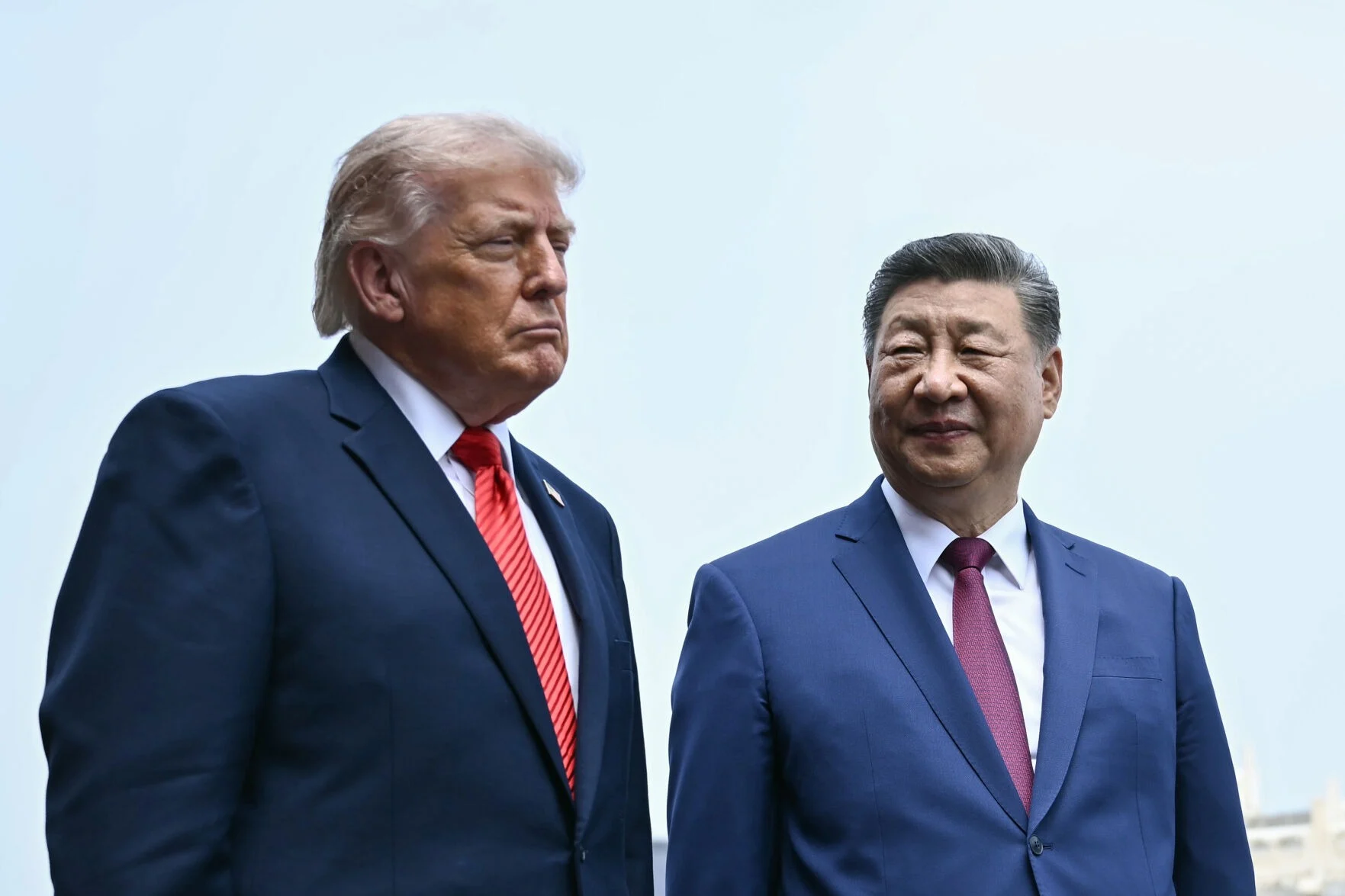
President Trump is welcoming Chinese President Xi Jinping to the White House today for a historic state visit, marking the first time a Chinese leader has set foot in Washington in more than a decade. The formal proceedings began this morning with a State Arrival Ceremony held across the South Lawn, State Floor, and Rose Garden, featuring roughly four hundred eighty members of the United States Armed Forces representing every branch of the military in a display of ceremonial grandeur befitting the significance both governments have placed on this particular meeting.
Xi arrived in the Washington area yesterday alongside his wife, Peng Liyuan, landing at a military base outside the capital where Trump personally greeted his Chinese counterpart in an unusually high-profile diplomatic gesture. This marks the third time in less than a year that the two leaders have met in person, following an October gathering on the sidelines of a regional summit in South Korea and a state visit Trump made to Beijing back in May, underscoring an unusually intensive pace of direct summitry between the world’s two largest economies during a period of persistent underlying tension.
Today’s agenda extends well beyond ceremonial pageantry, with private bilateral discussions expected to address a wide range of sensitive and consequential topics. Trade sits at the center of the conversation, given that a truce reached between the two countries last year, which reduced tariffs on Chinese goods from fifty-seven percent down to forty-seven percent, is set to expire in November, creating real pressure on both governments to find some path toward extending favorable terms before that deadline arrives and existing protections potentially lapse.
Beyond trade, officials say the agenda includes discussions on artificial intelligence safeguards, a topic that talks between the two countries only formally began earlier this week despite having been agreed upon in principle back during the May summit in Beijing. Rare earth mineral exports, access to the American auto market for Chinese manufacturers, and the broader question of resuming military-to-military communication channels are all expected to feature prominently in today’s closed-door sessions between the two delegations.
This evening’s schedule includes a formal state dinner in the East Room of the White House, where both leaders are expected to deliver opening remarks before an audience that will likely include senior officials, business leaders, and other dignitaries from both countries. A substantial delegation of Chinese business executives has reportedly accompanied Xi on this trip, a detail analysts consider particularly notable given how rarely prominent Chinese entrepreneurs have traveled alongside their president on international visits in recent years following domestic regulatory crackdowns that swept through several industries.
Analysts caution against expecting major breakthroughs from today’s meetings, noting that the two leaders’ previous encounters this year have often produced what many experts characterized as symbolism over substantive policy change. The fundamental competitive tensions between the two nations across technology, security, and economic policy run deep enough that few observers expect a single summit, however elaborately staged, to meaningfully resolve the underlying disputes that continue to define the broader relationship between Washington and Beijing.
Looking beyond today’s visit, the diplomatic calendar already includes two additional meetings between the two leaders before the year concludes. In November, they are scheduled to meet again on the sidelines of a regional economic summit in China, followed by a joint appearance in December at a major international gathering set to take place in Florida. This frequency of direct engagement, while not guaranteeing substantive progress on the many disputes dividing the two capitals, at minimum signals a mutual preference for continued dialogue over escalating confrontation between the world’s two most powerful nations.
