

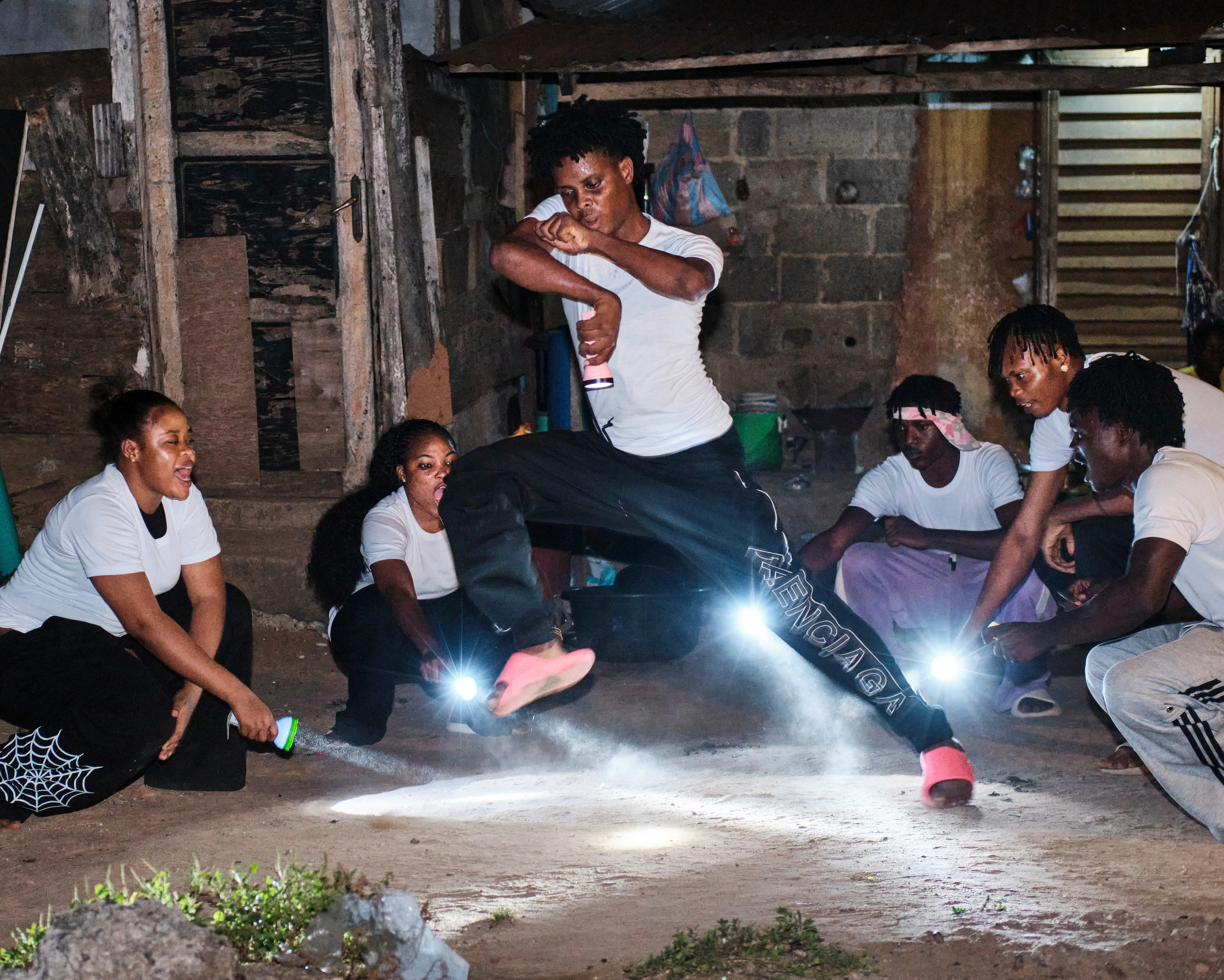
A new dance and music movement known as mara is becoming an important part of youth culture in Nigeria. What began as an independent music experiment has grown into a wider creative trend, bringing together producers, dancers and young people who use social media to share their work. The movement has developed especially strongly in Lagos, where young creators are using low-cost production methods and outdoor performances to reach audiences without depending on major entertainment companies.
The sound was developed by Nigerian producer Lawal Habeeb Kola, who performs under the name DJ Khalipha. After one of his earlier music contributions became popular online, he was disappointed when he was left out of the music video connected to the track. Instead of abandoning music, he returned to the independent dance sound known as cruise beats and began experimenting with faster rhythms. He increased the tempo, added different emotional elements and created a style that became known as mara.
The music spread through choreography and short videos, with dancers creating routines that other users could copy and adapt. One of the figures who helped popularise the movement was dancer Obi Madubogwu, known online as Odogwu Mara. His regular dance videos helped bring attention to the style, while his death at the age of 26 encouraged many young people to share and celebrate the movement. For some participants, taking part in dance challenges has become a way to build friendships and find enjoyment despite difficult economic conditions.
Mara has also shown how independent creators can influence a country’s wider entertainment industry. Producers and mainstream musicians have begun using sounds connected to the movement, while dancers continue to develop new routines and online communities. However, its growing popularity has also raised questions about creative ownership, especially when original producers lose control as their work becomes a trend. Even with these challenges, the movement remains a strong example of how young people can turn personal disappointment into a cultural project that reaches far beyond its original audience.
