

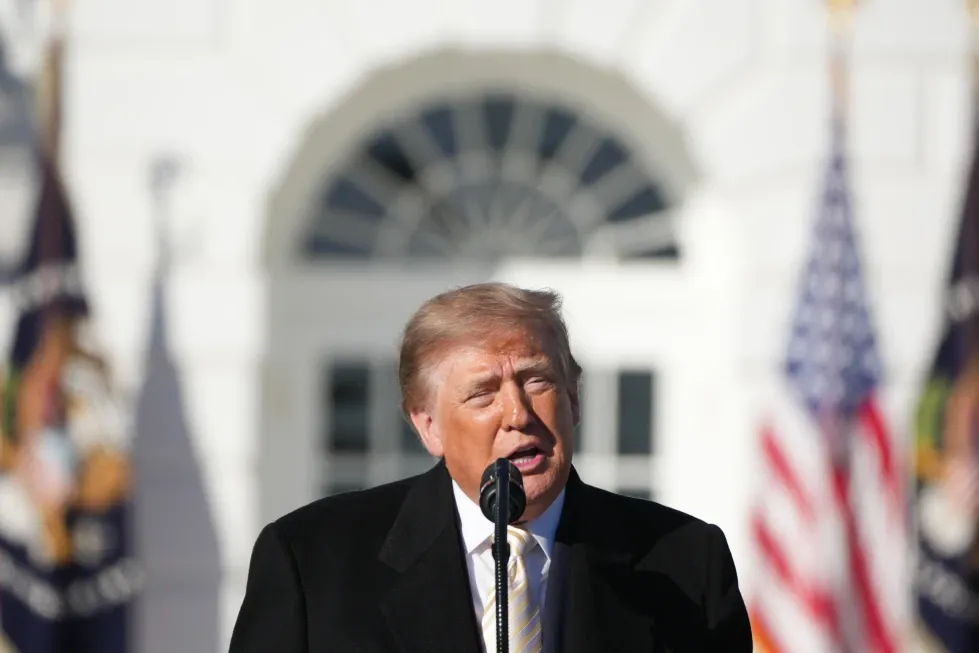
A federal judge in the United States has declined to impose a permanent restriction on government-funded advertisements that promote President Donald Trump and his administration. The decision is a setback for the Democratic National Committee, which argued that the advertisements used public money to support a political figure rather than provide neutral information to the public. The case focused on a series of government-produced videos that praised Trump’s policies, promoted his tax cuts and highlighted his approach to law enforcement. Democrats said the campaign crossed the line between public communication and political promotion.
The dispute began after the government used a contract worth approximately $20 million to produce and distribute advertisements through the Department of Homeland Security. At least 11 advertisements became part of the controversy because they included positive messages about Trump and material previously used in his 2024 presidential campaign. The Democratic National Committee argued that the government should not use taxpayer money to promote the president or his political agenda. The administration defended the material as public-service communication intended to explain government policies and activities.
Judge Loren AliKhan said the Democrats had not demonstrated that they were likely to win their legal challenge, particularly because the 2026 midterm elections had already passed. She was also not convinced that the possibility of future political harm during December runoffs or the 2028 presidential election justified extending the temporary restrictions. A previous court order had limited some of the advertisements until November 25, when the midterm election period was still underway. The latest decision therefore leaves the government with greater freedom to continue its communications campaign.
The ruling does not end the wider legal and political debate about the use of public money in government messaging. A separate judge in New York had also rejected a broad restriction but ordered three advertisements to be removed from government websites and social media accounts. The Justice Department said public funding for the campaign had stopped, while the Democratic National Committee indicated that it would continue challenging the government’s approach. The case has become part of a larger discussion about the boundaries between official government information, political advertising and the responsibility of public institutions to remain neutral.
