

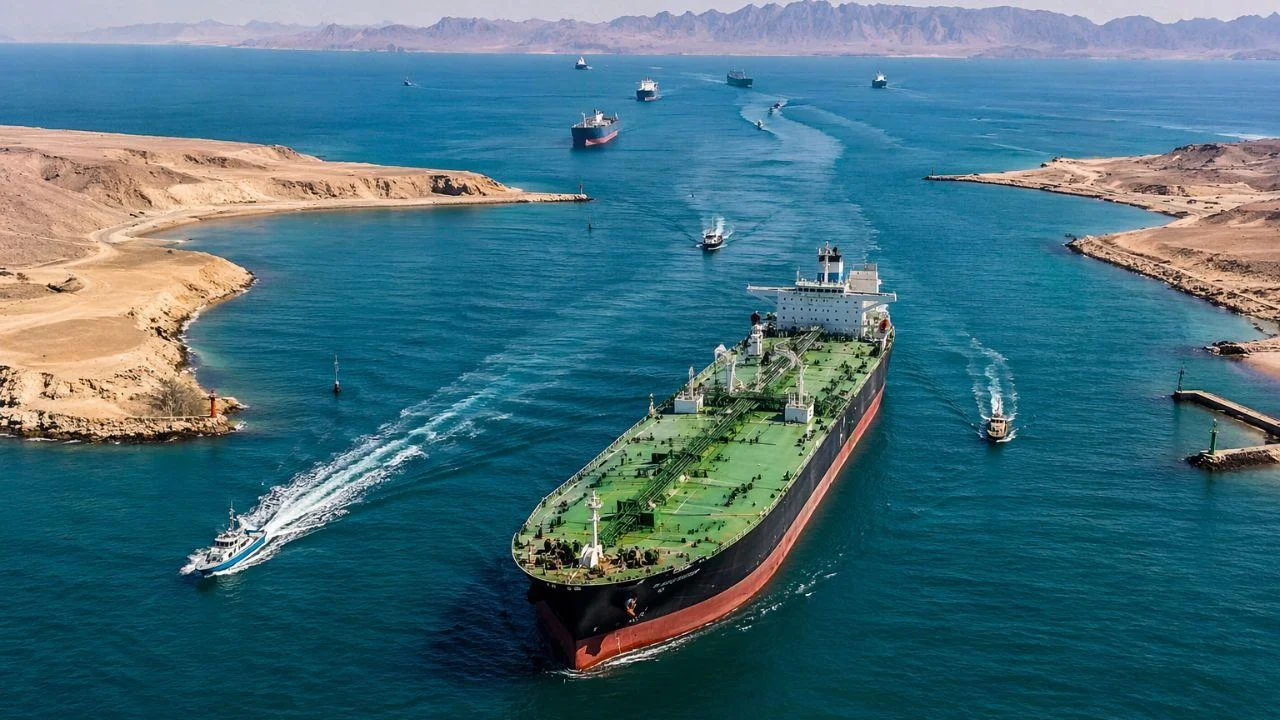
Iran and Oman are working on a plan to make the Strait of Hormuz safer for ships. The talks are a major diplomatic move in the Middle East. The strait is one of the world’s key oil routes. Its closure has cut ship traffic and raised fears over energy supplies. Iran and Oman said they are working on a temporary sea route. They also plan joint work to clear mines from the water. The goal is to help ships move through the strait with less risk.
The talks come as the United States keeps strong pressure on Iran. Washington has used a naval blockade and new economic measures. Iran has said that the pressure must ease before full shipping can return. This has made the talks hard. Still, Tehran and Muscat have kept contact open. Their work could offer a small path toward wider talks.
Ship traffic remains very low. On Tuesday, only five commodity ships passed through the strait. The recent 10 day average was about 15 ships a day. Some ships may not appear in public data because their tracking systems are off. The low flow shows how much fear remains among ship owners and traders.
The Strait of Hormuz matters far beyond Iran and Oman. It links the Gulf with the wider sea trade system. Large amounts of oil and gas have used the route for years. A long closure can affect fuel costs in Asia and Europe. It can also hurt firms that depend on steady energy supply. That makes the current talks important for many states.
Iran has also taken a harder line on some ships. Tehran has named 45 vessels on a blacklist. It says the ships broke its maritime rules. Some vessels are linked to major Gulf oil firms. Several oil companies are now reviewing which ships they use. The move could raise insurance costs and add more delays to sea trade.
Oman has played a key role in the talks. The country has often kept channels open between states that do not trust each other. Its role may help lower the risk of a wider clash. Yet a deal on the route will not solve every issue. The United States still wants changes from Iran. Iran still wants an end to the pressure on its economy.
The proposed route is also only a first step. Iran and Oman still need to agree on how the route will work. They must set rules for traffic, safety and information sharing. They also need to clear any mines that could threaten ships. A lasting system would need trust from ship owners and major trading states.
The next few days may show if the talks can produce real change. For now, the Hormuz Shipping Route remains under heavy strain. The talks give traders a reason to watch the region closely. But normal sea traffic is still far away. The outcome could affect oil markets, shipping firms and consumers across the world.
