

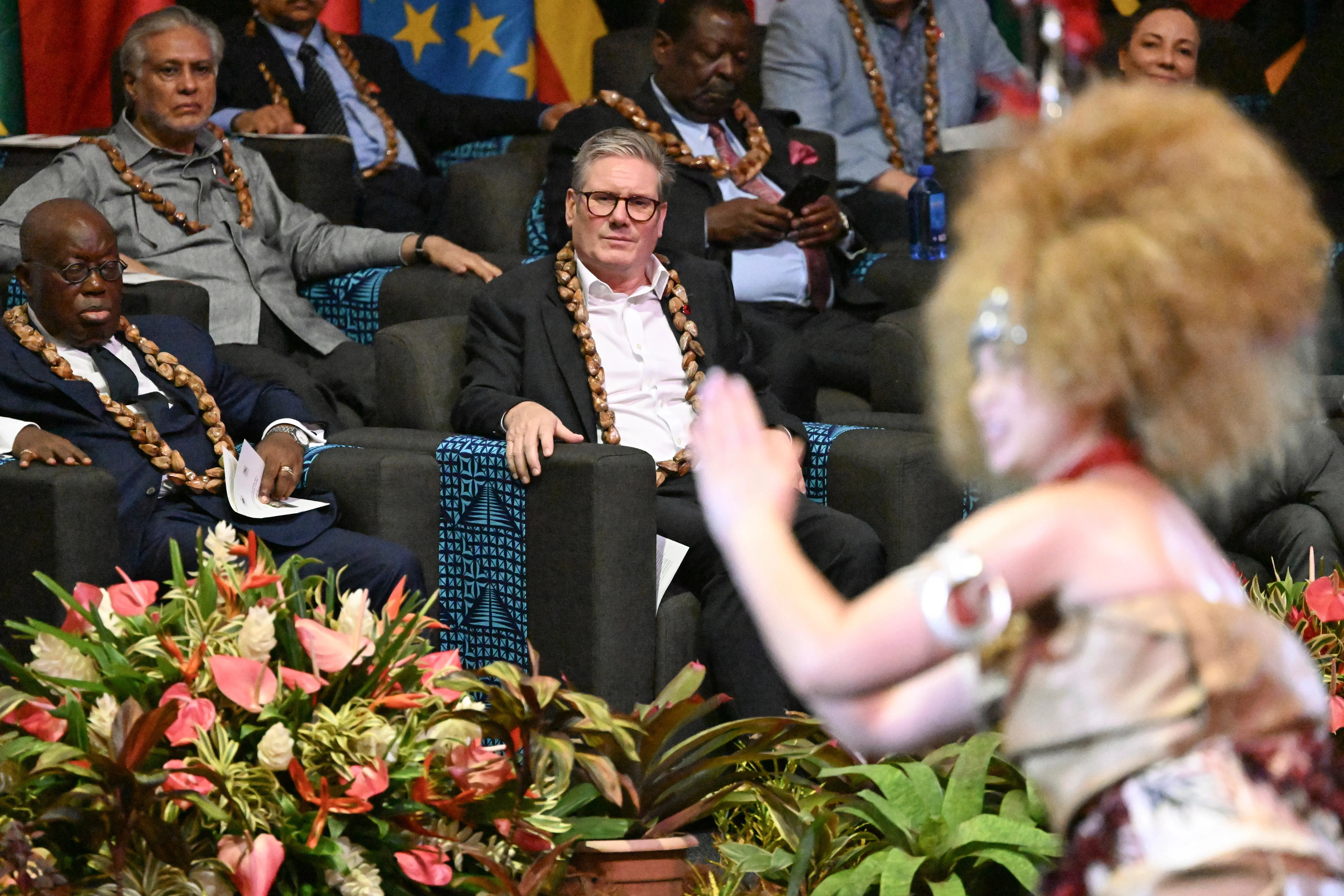
More than 50 national leaders have gathered in Antigua for a four-day Commonwealth summit, bringing together representatives of countries that collectively represent around 2.7 billion people. The meeting is taking place during a period of international uncertainty, with governments facing economic pressure, trade disputes, climate risks and continuing conflicts. Leaders are expected to discuss ways to strengthen cooperation and improve economic opportunities across the organisation’s 56 member countries.
Commonwealth Secretary-General Shirley Botchwey has said that attracting investment and expanding trade between member states will be important priorities. Many countries are looking for ways to reduce their dependence on a small number of trading partners, particularly as tariffs and international disputes create uncertainty for businesses. Greater cooperation could help members develop new markets, strengthen supply chains and improve access to investment.
Digital development is another major subject on the agenda. One initiative under discussion aims to provide digital skills training to around 10 million young adults. The programme is intended to help young people prepare for changing employment opportunities, particularly as artificial intelligence and other technologies reshape workplaces. Better digital skills could also help smaller businesses compete internationally and allow countries to expand their technology sectors.
Climate change is expected to receive significant attention during the summit. Forty-nine of the Commonwealth’s 56 members have coastlines, leaving many countries exposed to rising sea levels, stronger storms and coastal erosion. Small island states are particularly vulnerable because extreme weather can damage homes, infrastructure, tourism facilities and essential services. Leaders are expected to discuss climate financing and ways to improve resilience.
The meeting will also address the transition towards renewable energy. Several Commonwealth countries depend heavily on fossil fuels, while others are exploring solar, wind and other sources of cleaner power. A proposed initiative aims to support countries seeking to move towards renewable energy while managing the economic and social effects of the transition.
Public forums are scheduled to examine climate justice, freedom of expression, support for vulnerable communities and the challenges faced by civil society organisations. Some Caribbean leaders also want slavery reparations included in discussions, reflecting continuing demands for recognition of the historical effects of colonialism and the slave trade.
King Charles III and Queen Camilla are expected to attend the gathering. Representatives from countries outside the Commonwealth, including Qatar, Brazil and the United Arab Emirates, are also scheduled to participate.
The summit offers an opportunity for smaller and larger member states to discuss shared priorities. However, turning broad commitments into practical results will require financing, cooperation and follow-up after the meeting. The discussions in Antigua will therefore be closely watched by governments seeking stronger economic links and greater influence in international affairs.
