

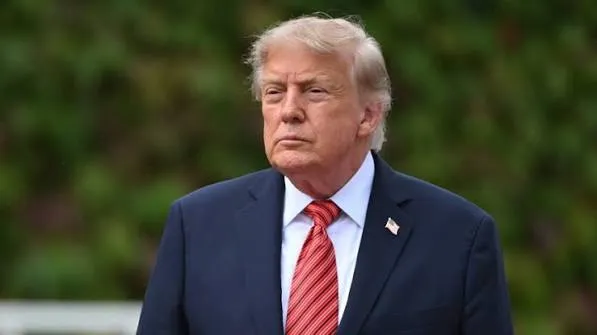
President Trump Trump says Iran war end soon in remarks delivered Saturday, expressing optimism that the extended conflict with Iran could reach a resolution shortly, while simultaneously accusing Tehran of deliberately prolonging negotiations to influence the upcoming November midterm elections.
The president suggested Iranian leadership believes delaying meaningful progress toward a settlement could work to their strategic advantage, potentially hoping that political dynamics within the United States might shift following the midterm elections scheduled for early November.
This latest statement adds to a pattern of periodic optimistic pronouncements from the administration throughout the extended six month conflict, though previous similar statements have not consistently translated into the concrete diplomatic breakthroughs needed to actually end hostilities.
The president’s comments came amid continued military activity throughout the region, with Iran backed Houthi forces in Yemen claiming responsibility for a missile and drone attack against a Saudi military base, further complicating the broader regional security picture beyond the direct American Iranian conflict.
Diplomatic sources have not detailed specific new proposals that might support this latest optimistic assessment, leaving questions about what concrete developments, if any, underlie the president’s suggestion that resolution could arrive in the near term rather than continuing indefinitely.
This pattern of alternating escalation and diplomatic optimism has characterized much of the conflict’s trajectory, with periods of intense military exchange periodically followed by statements suggesting progress toward resolution, though lasting breakthroughs have remained elusive throughout the extended standoff.
Iranian officials have not yet publicly responded to this specific characterization regarding their negotiating strategy, though Tehran has previously pushed back against American characterizations of its approach to the ongoing conflict and associated diplomatic engagement.
Political analysts note that linking Iranian negotiating strategy directly to American electoral politics represents a notable rhetorical framing, suggesting the administration views domestic political timing as a relevant factor in how Tehran approaches the broader conflict resolution process.
Regional allies continue monitoring these diplomatic signals closely, given their significant stake in how quickly the underlying conflict might resolve, particularly countries that have repeatedly found themselves affected by military activity connected to the extended American Iranian confrontation.
Energy markets, which have shown extreme sensitivity to developments in this conflict throughout the year, will likely react to any concrete signs supporting or contradicting this latest optimistic assessment from the president regarding the conflict’s potential near term resolution.
As this latest statement adds to the ongoing uncertainty surrounding the conflict’s trajectory, international observers remain focused on whether concrete diplomatic developments will follow. Given the pattern of previous similar statements, meaningful skepticism remains warranted until actual substantive progress toward resolution becomes apparent.
