

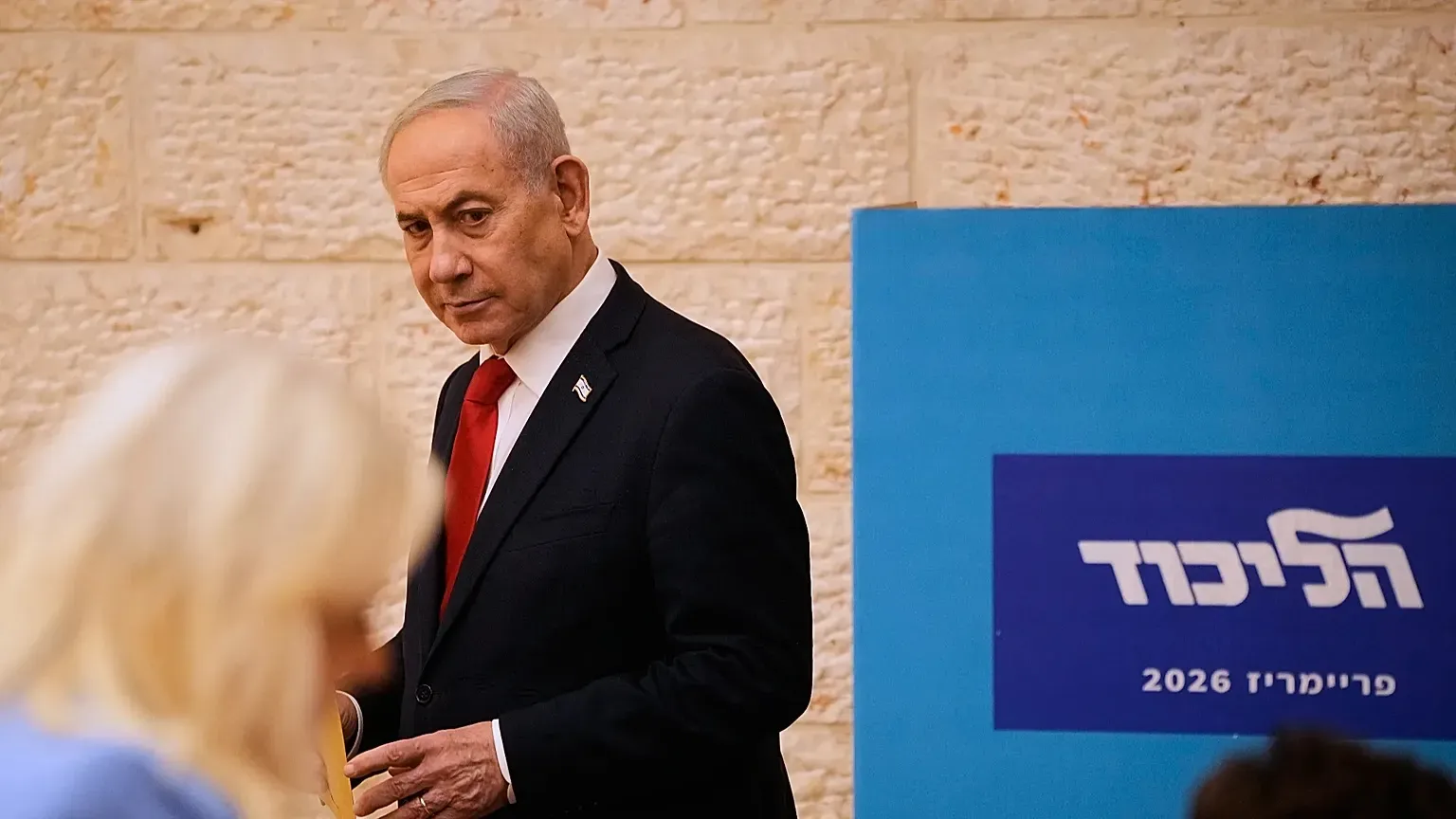
Israeli Prime Minister Benjamin Netanyahu Netanyahu leads Likud election preparations for an October 27 vote, as his ruling party seeks to retain power amid slipping poll numbers and mounting questions about his own political future heading into the campaign.
The upcoming election arrives during an especially turbulent period for the region, with ongoing military operations against Iran and continued activity in Lebanon and the West Bank all factoring into the political backdrop shaping voter sentiment ahead of the vote.
Recent polling has shown Netanyahu’s coalition facing increased pressure, with public opinion divided over his government’s handling of the extended conflict with Iran alongside broader questions about economic conditions and domestic policy priorities heading into the election period.
Opposition parties have sought to capitalize on this political vulnerability, arguing that years of sustained conflict have taken a significant toll on ordinary Israelis while questioning whether continued Likud leadership represents the best path forward for the country’s security and economic future.
Netanyahu’s political career has weathered numerous challenges throughout his extended tenure, and allies note his demonstrated ability to navigate difficult electoral circumstances in the past, even as current polling suggests a more competitive race than some previous election cycles.
The prime minister has emphasized his government’s security record throughout the campaign’s early stages, pointing to military actions against Iran and other regional threats as evidence of strong leadership during an exceptionally challenging period for Israeli national security.
Coalition dynamics within Israel’s fragmented political landscape add significant complexity to the upcoming election, with numerous smaller parties potentially playing decisive roles in determining whether Netanyahu can assemble a governing majority following the vote.
International observers are watching this election closely, given its potential implications for how Israel might approach ongoing conflicts and broader regional diplomacy depending on which coalition ultimately emerges victorious from the competitive electoral process.
Economic concerns have featured prominently in early campaign messaging, with rising costs connected to sustained military operations creating additional pressure on household budgets that opposition candidates have highlighted as evidence of governmental mismanagement under continued Likud leadership.
Security policy remains the dominant campaign theme, unsurprising given the ongoing regional conflicts, though domestic issues including cost of living concerns and questions about long term strategic direction also feature prominently in candidates’ messaging to voters ahead of the election.
As the campaign continues developing over the coming weeks, all attention remains focused on how ongoing regional conflicts and domestic economic pressures might ultimately influence voter decisions. The October 27 election will provide a definitive answer regarding whether Netanyahu can extend his extensive tenure as prime minister.
