

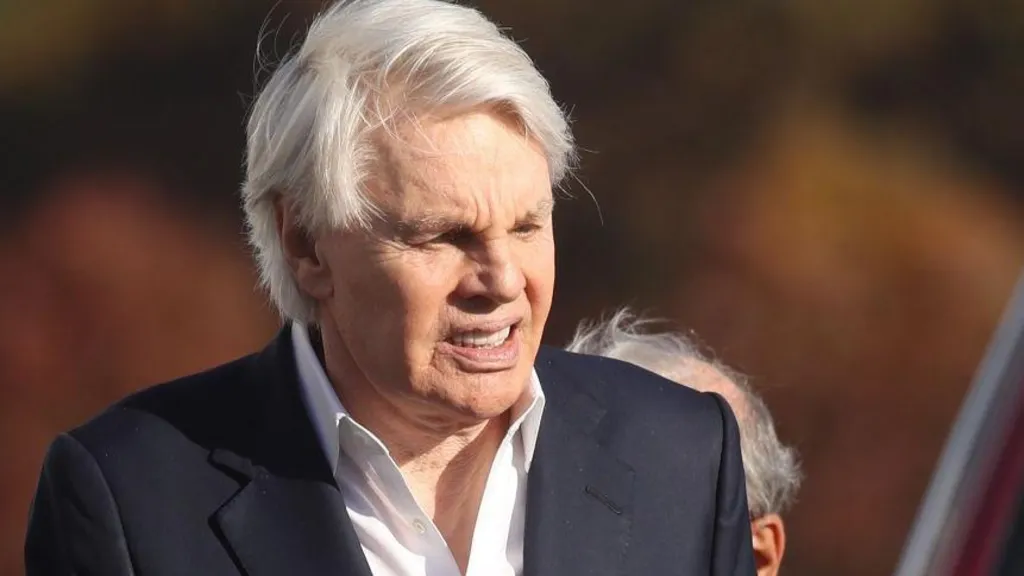
Michael Jeffries, the former chief executive of Abercrombie & Fitch, has been ruled mentally fit to stand trial on federal sex trafficking charges.
A US federal judge made the decision after Jeffries spent about four months in a federal medical facility in North Carolina.
Jeffries is 82 and is currently free on bond. His trial is scheduled for late October. He will face the case alongside two co-defendants, Matthew Smith and James Jacobson.
All three men have pleaded not guilty to federal charges that include sex trafficking and interstate prostitution.
Judge Nusrat Choudhury said Jeffries has a clear understanding of the case against him. She also found that he understands the legal process and the roles of people involved in the trial.
The judge reviewed reports from medical experts before making her decision. She also listened to hours of phone calls Jeffries made while he was in custody.
The calls included conversations with his partner, lawyers and other people. Choudhury said his behavior during medical tests and phone calls showed that he could understand the criminal justice process.
The ruling came after Jeffries’ lawyers argued that he was not able to take part in his defense.
His legal team said he needed constant care because of Alzheimer’s disease, Lewy body dementia and a brain injury.
Medical experts who testified for the defense said his mental problems were progressive and could not be cured. They also said he was unlikely to regain the mental ability needed for a trial.
The judge then ordered Jeffries to receive treatment at the federal medical facility in Butner, North Carolina.
After about four months there, federal prison officials found that Jeffries was mentally fit to stand trial.
Choudhury reached the same conclusion after reviewing the evidence. She said Jeffries showed that he understood courtroom procedures and important legal ideas.
Jeffries’ lawyer declined to comment on the ruling. His legal team said the case should be decided in court rather than through public discussion.
The federal case against Jeffries, Smith and Jacobson involves serious allegations about the recruitment and exploitation of men.
Prosecutors say the defendants used promises of modeling work to attract men to private events. They allege that some of these events involved drugs and sexual activity.
The alleged events took place in New York City, the Hamptons and other locations.
The federal case follows years of public claims about Jeffries and alleged sexual misconduct. Similar accusations have also appeared in a civil case.
Jeffries has denied the criminal charges through his legal team. The defendants’ not guilty pleas mean prosecutors must prove the allegations in court.
Jeffries became a major figure in the fashion retail world during his long career at Abercrombie & Fitch.
He joined the company in the early 1990s and helped change its image. Under his leadership, the retailer became closely linked with youth fashion and its well-known marketing style.
Abercrombie had originally been founded as a store focused on outdoor and wilderness goods. Jeffries helped turn it into a major youth brand during the 2000s.
The company became known for its preppy image and bold advertising. Its stores became a common sight in shopping malls across the United States.
Jeffries left the company in 2014 after more than two decades as its leader.
His upcoming trial will now move forward after the judge’s competency ruling.
The decision means Jeffries can take part in the legal proceedings and work with his defense team.
The court will next deal with pretrial matters before the case goes to trial.
The charges against Jeffries and his co-defendants remain allegations. They are presumed innocent unless prosecutors prove their guilt beyond a reasonable doubt.
The case is expected to draw continued attention because of Jeffries’ former role at a major American fashion retailer and the serious nature of the charges.
With his mental fitness now settled by the court, the focus will shift to the evidence and arguments that will be presented during the trial.
