

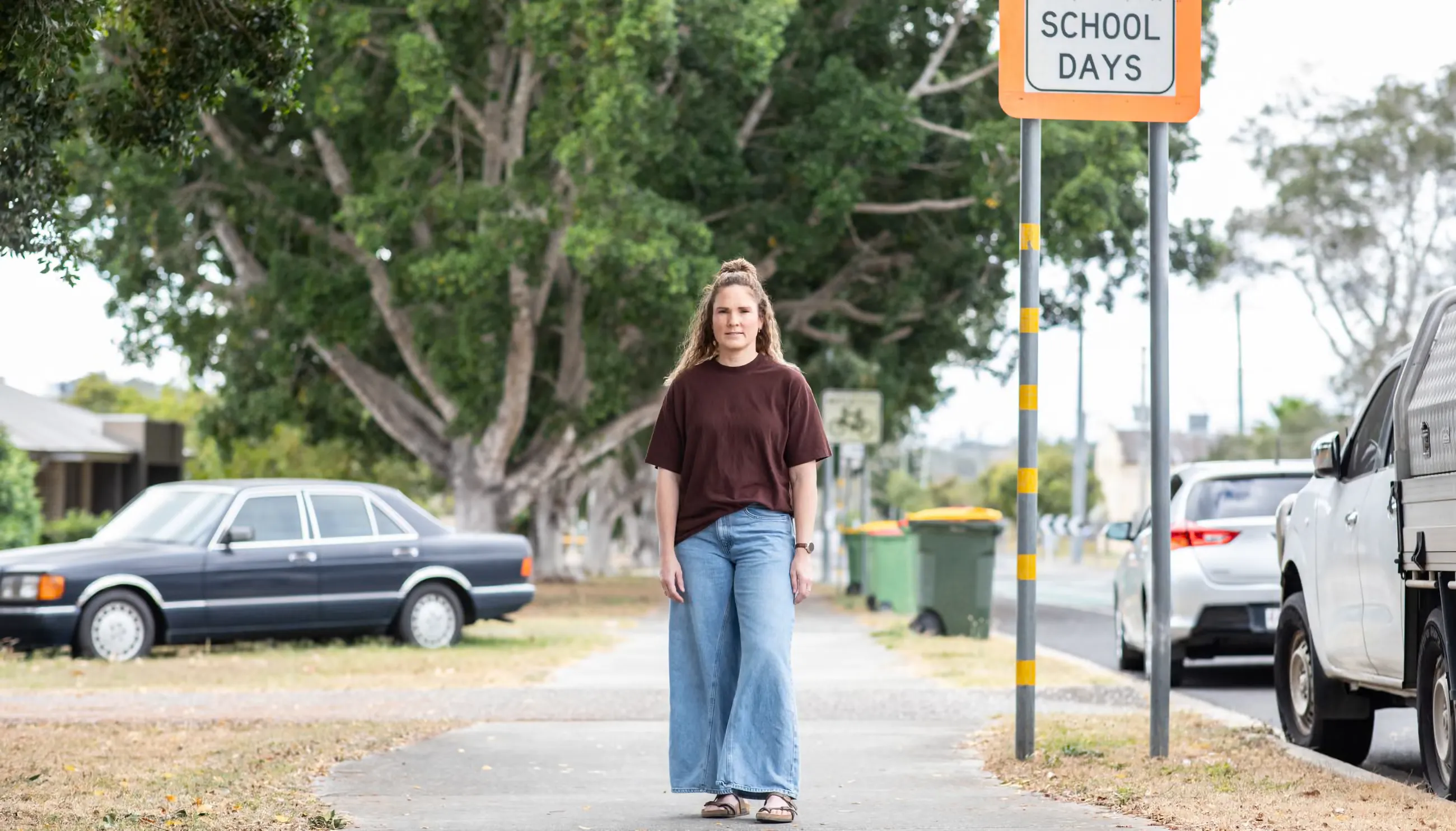
A woman in Australia has shared how an experience with a teacher during her teenage years changed the course of her life and later led her to help bring him to justice. Sarah Kopp was 15 when her 31-year-old physical education teacher began giving her special attention. At the time, she believed his interest made her feel valued and important. It took years for her to understand that the behaviour was part of a pattern of grooming.
Kopp explained that the attention initially appeared flattering. The teacher singled her out, offered praise and created a sense of closeness that she did not recognise as harmful. Because of the difference in age and authority, he held a position of influence over her. The relationship gradually crossed boundaries that should have been protected by the school and the adults responsible for her safety.
As she grew older, Kopp began to look back on those events with a different understanding. She realised that the teacher had used his position to gain her trust and make inappropriate behaviour seem normal. The process of recognising what had happened was difficult, partly because she had once viewed the attention as something positive. Understanding the experience took time and required her to reconsider memories from her teenage years.
Kopp later became involved in efforts to hold the former teacher accountable. Her decision to speak out helped bring attention to the long-term impact of grooming and the importance of listening to people who report abuse. She also wanted others to understand that a young person’s reaction at the time does not make an adult’s behaviour acceptable.
Her account highlights the responsibility schools have to maintain clear boundaries between staff and students. Teachers are trusted with the care and education of young people, and that trust carries a duty to protect them. Safeguarding systems must take concerns seriously, provide safe ways to report misconduct and ensure that allegations are properly investigated.
By sharing her story, Kopp hopes to help others recognise warning signs and seek support. Her experience also shows that people may only understand the full meaning of harmful events many years later. Speaking about those experiences can be difficult, but it can help survivors find support and encourage institutions to improve the way they protect children.
