

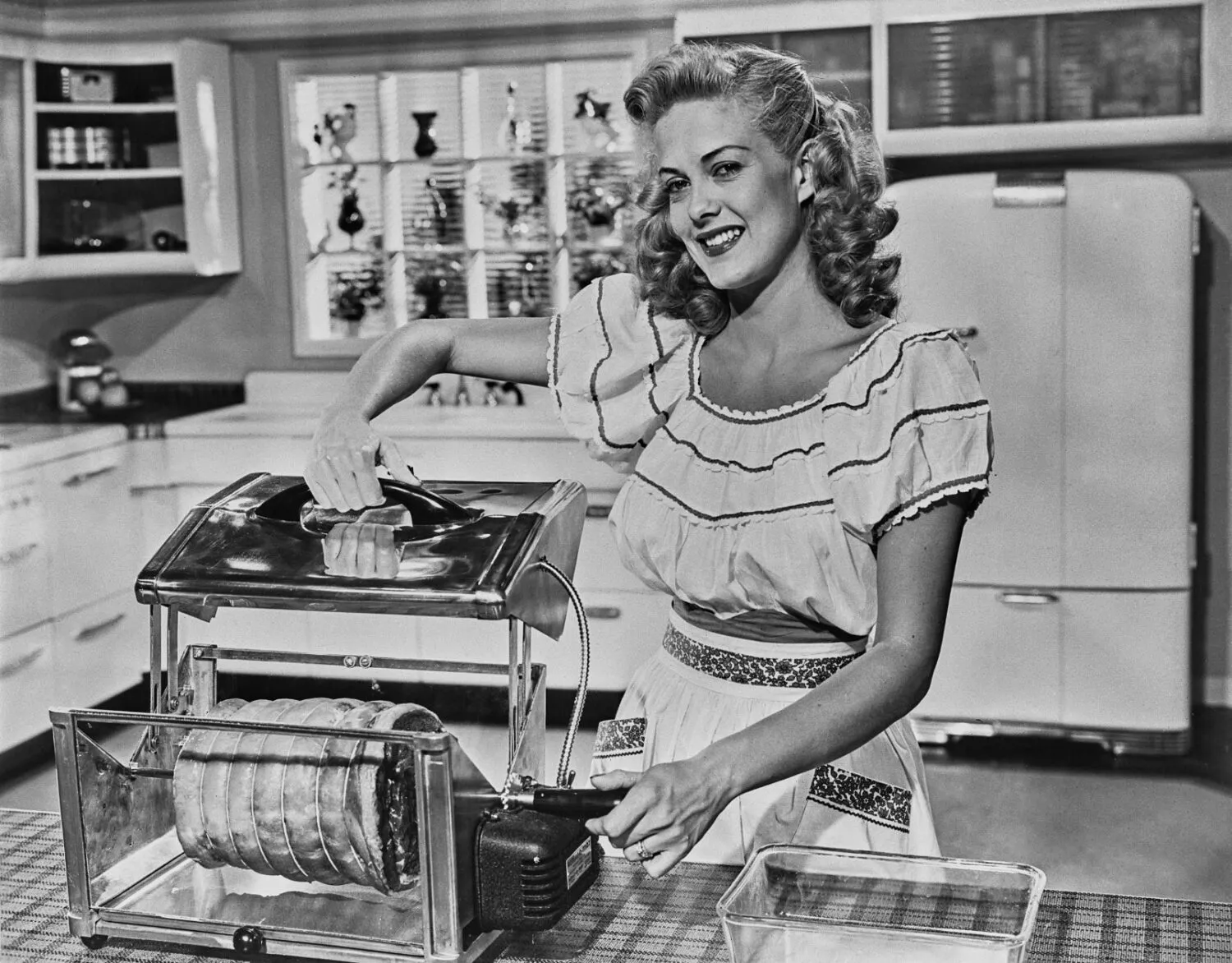
A growing number of women who once promoted the tradwife lifestyle online are now speaking publicly about why they left the movement. The trend, which presents traditional domestic roles and family life as an ideal, became highly visible on social media through videos showing women cooking, caring for children and managing their homes. Some creators presented this lifestyle as a personal choice built around family values and religious beliefs. However, former influencers say their experiences were sometimes very different from the carefully presented images that attracted large online audiences. Their stories have started a wider discussion about financial independence, relationships and the influence of online communities.
One of the women speaking out is Bernadine Bluntly, who previously promoted traditional gender roles and family-centred content. She later published a video explaining that she no longer supported extreme ideas that could be used to control or silence women. Her decision attracted attention across social media because she had once been a visible supporter of the movement. Bluntly said she had originally understood the lifestyle as a return to strong family values, but came to believe that some online spaces had become connected with more extreme political and social ideas.
Jennie Gage, another former tradwife influencer, has also described the difficulties she experienced during her marriage. She grew up in a religious environment where she was taught traditional expectations about marriage, children and domestic responsibilities. After marrying at a young age, she spent many years raising a family and managing household duties. Gage says she was not allowed to work or maintain her own bank account during much of the relationship. When she eventually left the marriage, she faced serious financial difficulties and had to seek help from friends and family while arranging legal support.
Gage now encourages women to consider their financial security before entering relationships in which one partner controls most of the household income. She says access to savings, retirement funds and independent financial advice can make a major difference if a relationship ends. Her experience has become part of her online work, where she discusses the risks of relying entirely on a partner for money. She has also urged women to understand legal arrangements, including the possible value of prenuptial agreements and other financial protections. Her message is not that every traditional household is harmful, but that financial dependence can leave someone with very few choices.
Tia Levings has shared a different account of leaving a strict religious household. She says she was raised in communities where women were expected to obey their husbands and where divorce was strongly discouraged. Levings has described seeking help from church leaders during difficult periods but feeling that her concerns were not taken seriously. She eventually left the environment and began writing and speaking about her experiences. Her work now focuses on the importance of recognising controlling behaviour and ensuring that people have access to support outside their immediate social or religious circles.
Researchers say the online image of the tradwife movement has links to wider debates about gender, politics and identity. Seyward Darby, who has studied women involved in far-right movements, argues that some of the movement’s visual style can make traditionalist ideas appear softer and more appealing. The use of domestic imagery, family routines and carefully arranged homes can create a positive presentation while leaving out difficult questions about power and independence. Some former influencers say they now recognise that their online performances did not show the full reality of their lives.
The movement is not disappearing, and many women continue to choose traditional household arrangements without describing them as harmful. The debate is instead becoming more focused on whether women have genuine freedom to make decisions, earn money and leave relationships safely. Former tradwives say their experiences should encourage more honest conversations about the difference between personal choice and pressure. Their stories also show how social media can turn private lifestyles into public trends, sometimes hiding the challenges that exist behind carefully edited images. As more former creators speak out, the discussion is shifting towards independence, safety and the importance of having choices in family life.
