

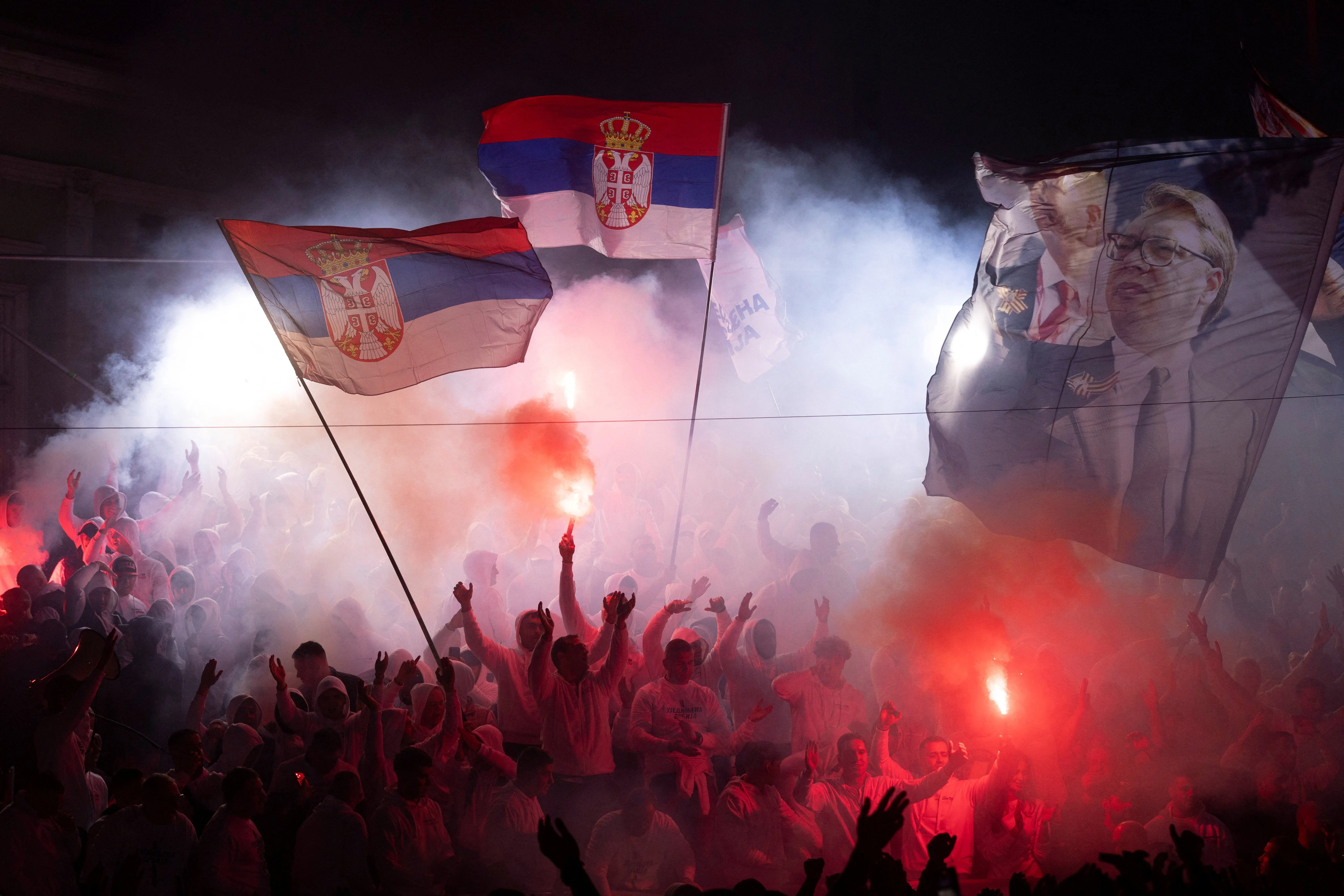
Serbia is facing growing political tension ahead of elections scheduled for October 25, with opposition activists and watchdog groups raising concerns about intimidation, cyberattacks and pressure on independent media. President Aleksandar Vucic and his governing party face a challenge from a student-led movement that has gained support following years of public frustration.
Activists have described threats and alleged violence involving people who oppose the government. Some have reported attacks on their personal safety, while others say online operations have targeted their work. The allegations have added to concerns about whether political opponents can campaign freely and whether journalists can report without pressure.
The student-led movement emerged after a fatal accident in 2024 and has since developed into a wider challenge to the political establishment. Its supporters include people who want greater transparency, stronger public accountability and changes to the way the country is governed. The movement is fielding hundreds of candidates, giving it a more direct role in electoral politics.
Serbia’s political environment has also attracted attention from international watchdogs. Organisations monitoring press freedom and civil liberties have warned about worsening conditions for independent journalism and political dissent. Reports of surveillance technology being used against activists have added another layer to the debate.
The government has denied accusations of wrongdoing. In a polarised political climate, claims of intimidation and abuse require careful examination, including independent investigation of specific incidents and evidence. The election will offer voters an opportunity to assess competing political programmes, but the quality of the campaign environment is also important.
For Serbia, the immediate challenge is to ensure that candidates can compete and voters can make decisions without intimidation. Election observers will be watching campaigning, media access and the handling of complaints. The outcome may shape the country’s political direction, while the broader questions about democratic institutions and civil liberties will remain important after polling day.
