

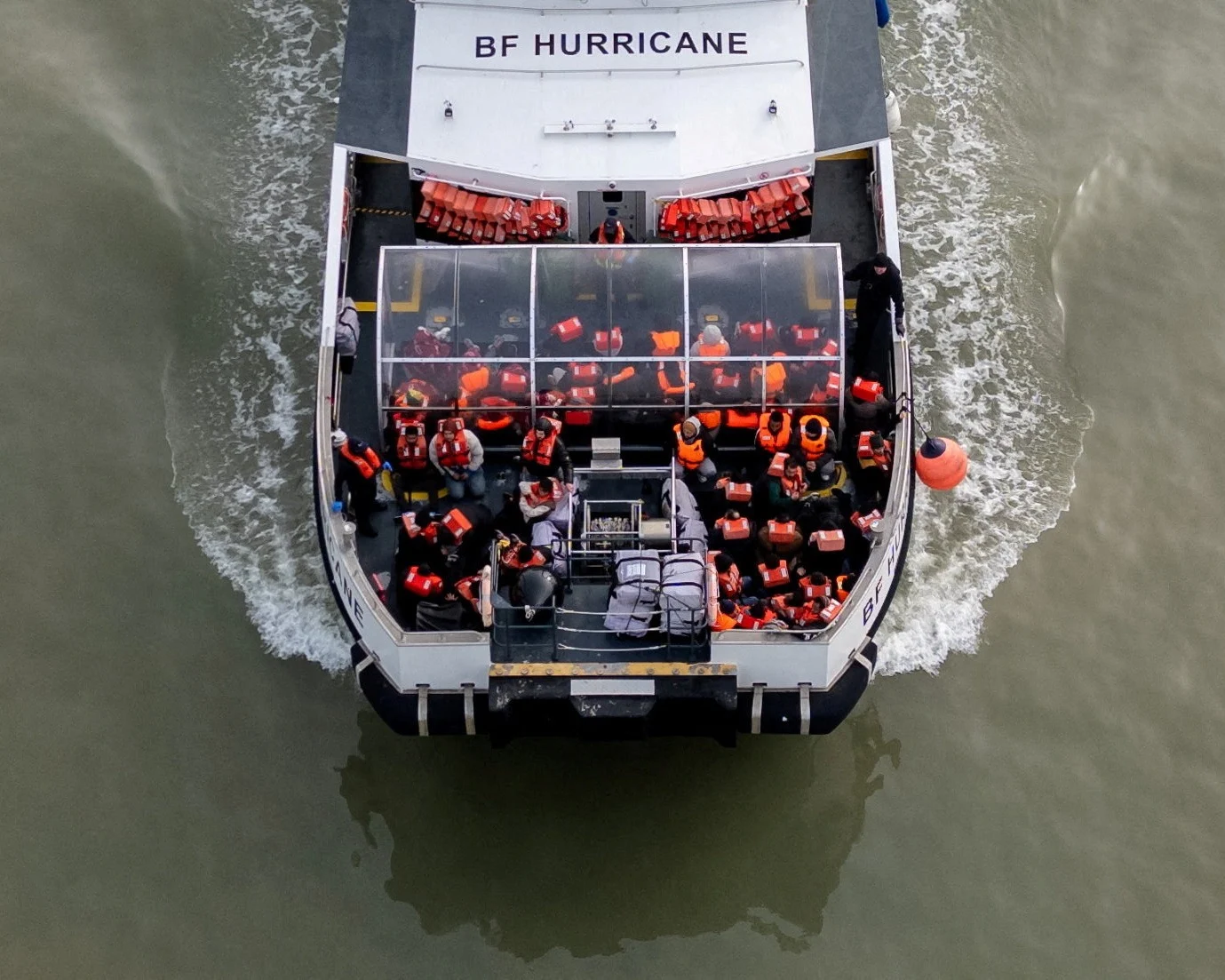
The British government has ended a migration arrangement with France that was designed to reduce small boat crossings across the English Channel. The policy allowed the two countries to return some people who arrived in Britain by boat in exchange for other migrants entering through an approved route. However, the scheme returned only a small share of people who made the journey, raising questions about whether it could work on a larger scale.
The decision comes as migration remains a major political issue in Britain. Government leaders face pressure to reduce dangerous crossings, while charities and rights groups warn that people fleeing conflict and persecution need safe ways to seek protection. The Channel is a busy and risky route, and small boats can face dangerous weather, strong currents and overcrowding. People may still attempt the crossing when they believe there are few other ways to reach safety.
The government has said it will increase the police presence along the French coast. Supporters of tougher enforcement argue that stronger action could disrupt smuggling networks and discourage people from attempting the journey. Critics say extra policing alone will not address the reasons people leave their homes or the role of criminal groups that arrange crossings. They also warn that making routes more difficult may push people towards even more dangerous methods.
The debate reflects a wider challenge for European governments. Countries need to manage their borders, investigate smuggling and process asylum claims fairly. At the same time, people who need protection must have access to a system that can assess their cases. The end of the UK-France scheme does not mean that crossings will stop. It leaves the government facing the same difficult questions about enforcement, cooperation with France and the need for safe and lawful routes.
