

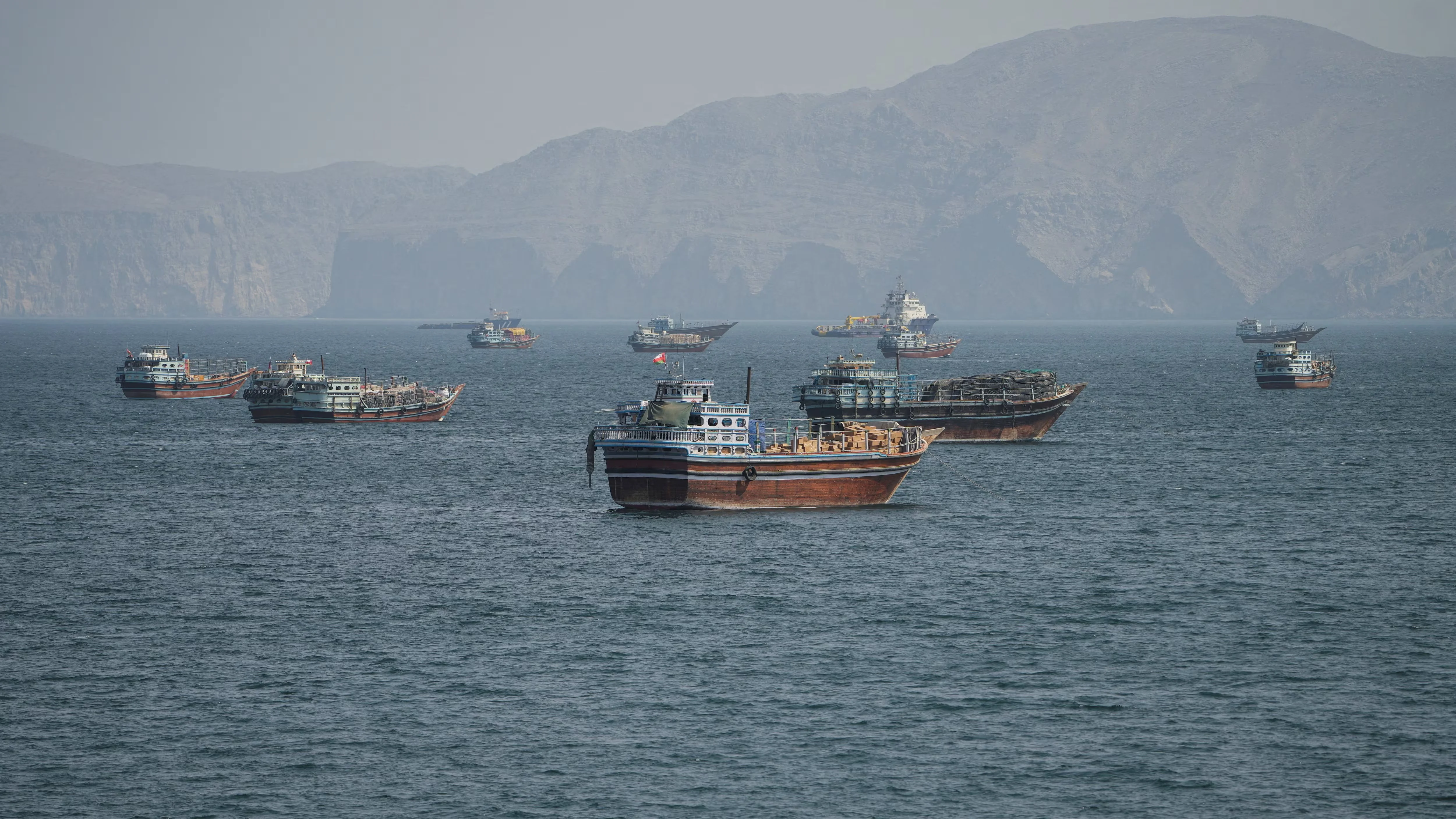
Hormuz Oil Prices moved higher on October 8 as traders worried about new attacks on ships traveling through the Middle East. Brent crude rose above $101 a barrel while US West Texas Intermediate crude moved close to $90. The rise came even after the International Energy Agency agreed to speed up the release of emergency oil stocks. Traders remain concerned that more attacks could reduce the amount of oil reaching world markets and raise costs for consumers.
The Strait of Hormuz is one of the most important energy routes in the world. Before the war, around one fifth of global oil and fuel shipments passed through the waterway. Any serious disruption can therefore affect countries far from the Middle East. Oil companies, shipping firms and governments are all watching the route closely because a reduction in traffic can increase both transport costs and the price of crude.
The number of ships using the strait has already fallen sharply. Shipping data showed that only seven commodity vessels passed through the waterway on Tuesday, the lowest daily number since July. Crude shipments through the strait also dropped about 27 percent from the recent wartime high. Some oil is being moved through other routes, including the Gulf of Oman and the Red Sea, but those routes cannot fully remove the risk created by the disruption.
Recent attacks have added to the pressure. A tanker north of Qatar was hit by several projectiles, with casualties reported by maritime authorities. The incident came after a week in which attacks, attempted attacks and other forms of harassment reached their highest level since the Iran war began. The growing danger has increased insurance costs and forced shipping companies to consider whether certain routes are safe enough for their crews and cargo.
The International Energy Agency is trying to reduce some of the pressure by releasing emergency supplies. The move can provide extra barrels to the market, but it cannot create new oil production. Analysts have warned that strategic stock releases mainly offer temporary help. If attacks continue for a long period, governments may eventually have to rely on new supply from producers or alternative transport routes instead of emergency reserves.
The United States is also watching its own oil inventories. Government data showed that American crude stocks fell by more than expected during the latest reporting week. Diesel inventories also declined and remain below normal levels for this time of year. Lower stocks can make markets more sensitive to further disruptions because buyers have less spare fuel available to absorb a sudden drop in supply.
For consumers, the biggest concern is what happens if the disruption continues. Higher crude prices can increase the cost of gasoline, diesel, air travel and transport. Businesses may also face higher costs for moving goods, which can feed into prices across the economy. Central banks are watching the energy market because another major oil shock could make inflation harder to control.
The October 8 rise in oil prices shows that emergency stock releases cannot remove the deeper risks around the Strait of Hormuz. Gulf producers are still trying to keep exports moving, but ships and crews now face greater danger. If traffic through the waterway remains low, the global energy market could stay under pressure for weeks or months. Traders are therefore watching every attack, shipment and diplomatic development for signs that the supply threat is either easing or becoming worse.
