

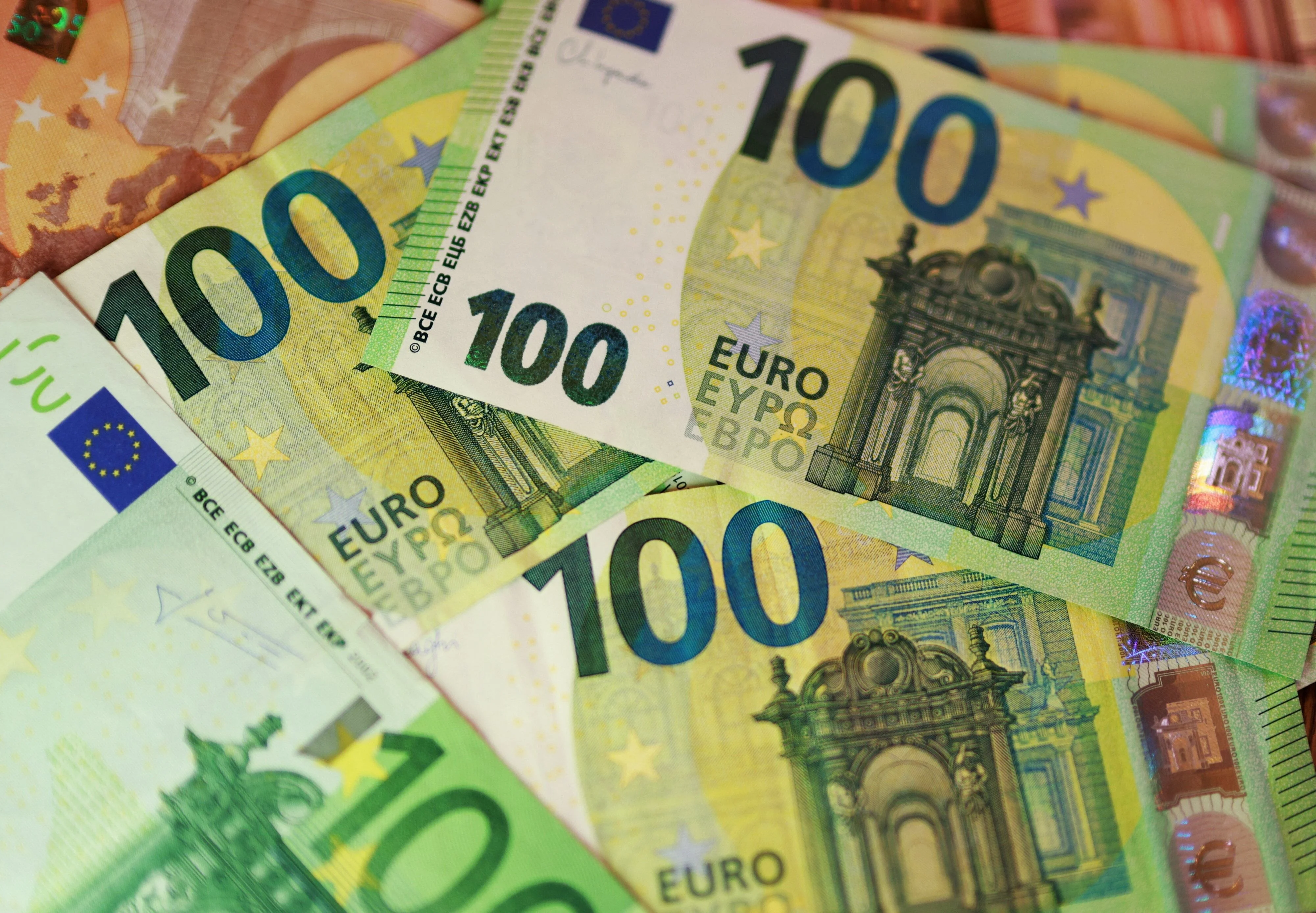
The euro moved close to a 17 month low on October 6, 2026, as investors grew more worried about political and financial problems in Europe. High debt in France, political gridlock and a new election in Spain are putting pressure on the common currency and raising fresh concerns about the wider euro zone.
The euro traded near $1.1220 in early Asian trading after falling to its lowest level since May 2025. It had already lost about 1.2 percent against the dollar during the previous week.
Investors are watching France closely. The country has a large budget deficit and high public debt. Political disagreements have made it harder for the government to find support for plans to control spending and improve public finances.
French borrowing costs have also increased. That means the government may have to spend more money on interest payments. Higher borrowing costs can make it harder to reduce debt because more public money is needed just to service existing loans.
The problem is not limited to France. Spain has also added to political uncertainty after Prime Minister Pedro Sanchez called a snap election. Investors are now watching two of Europe’s largest economies at the same time.
The euro zone depends heavily on confidence in its largest members. When investors become worried about one major country, concerns can spread to other countries through bond markets and the banking system.
The pressure on the euro has also helped the US dollar. The dollar index reached an 18 month high as US Treasury yields stayed high.
The dollar has remained strong even though expectations for a US interest rate increase this month have fallen. Weaker than expected US jobs data reduced some pressure on the Federal Reserve to raise rates quickly.
However, investors still believe US interest rates may need to stay high if inflation remains strong. Higher US yields can make dollar assets more attractive than European assets.
France also faces a difficult political debate over its budget. Cutting spending can help reduce debt, but it can also create public anger. Raising taxes can bring similar problems.
The euro’s weakness is especially important because European consumers already face high energy costs. Oil prices remain around $100 a barrel because of the continuing conflict in the Middle East.
Higher energy prices can raise the cost of transport, food and industrial goods. That can keep inflation high and make life harder for households.
The European Central Bank must also watch these developments. If inflation stays high, the bank may be reluctant to cut interest rates. But high interest rates can increase pressure on governments with large debts. The market is therefore watching both political and economic signals.
For now, investors do not appear to expect an immediate European debt crisis. But the fall in the euro is a clear warning that confidence is weakening.
France needs to show that it can control its finances. Spain must also deal with the uncertainty created by its election. If both problems continue, pressure on European markets could grow.
The October 6 market move shows how political problems can quickly become financial problems. The euro remains one of the world’s major currencies, but its current weakness shows that investors are demanding stronger answers from European governments.
