

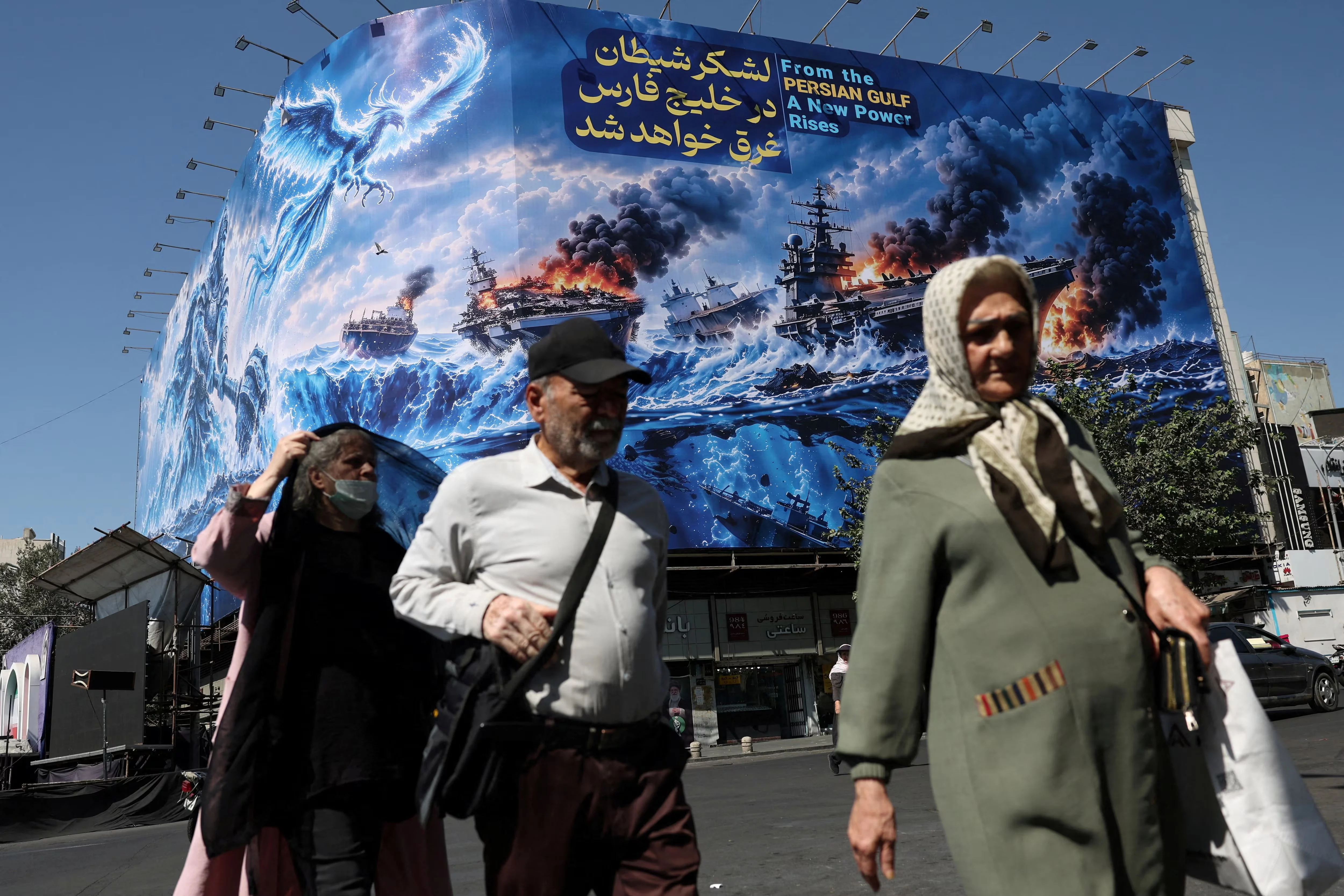
A senior Iranian official said this week that Tehran will show no flexibility over its nuclear program, even if the United States agrees to Iran’s proposal for reopening the Strait of Hormuz. The official, speaking on condition of anonymity, told international reporters that the strategically vital waterway would remain closed until every one of Iran’s conditions has been fully met by Washington, drawing a firm line just as diplomatic activity around the broader conflict appeared to be gaining some momentum.
Under the proposal Iran has put forward, Tehran has offered to reopen the Strait of Hormuz within seven days of an agreement, provided hostilities end on all fronts including in Lebanon, the United States lifts its naval blockade on Iranian ports, Iran’s frozen funds are released, and existing oil sanctions are waived. This represents a fairly detailed and specific set of demands, suggesting that behind the public rhetoric of continued defiance, both sides have been engaged in substantive discussions about the practical terms that might eventually underpin any de-escalation agreement.
Despite this apparent progress on the Hormuz question, Iranian officials have been unambiguous that any resolution to the broader conflict will not extend to compromising on the nuclear program itself. Tehran has indicated it would be prepared to engage in detailed nuclear negotiations only after its other conditions are satisfied by Washington, but has firmly ruled out giving up its right to enrich uranium or shipping its stockpile of highly enriched uranium out of the country, one of the central demands the United States has continued pressing throughout the crisis.
The International Atomic Energy Agency has estimated that Iran possessed approximately four hundred forty kilograms of uranium enriched to sixty percent purity at the time Israeli and American forces struck Iranian nuclear facilities in June of last year, a level far exceeding what is needed for civilian energy purposes and considerably closer to the roughly ninety percent purity required for weapons-grade material. How much of that stockpile survived the strikes remains genuinely unclear, adding another layer of uncertainty to an already complex set of negotiations.
Iranian President Masoud Pezeshkian, speaking with journalists on the sidelines of this week’s United Nations General Assembly gathering, expressed hope that a deal with Washington to end hostilities could be reached before the American midterm elections scheduled for early November. This timeline suggests at least some sense of urgency on the Iranian side, even as its negotiating position on the nuclear question itself has remained notably unyielding throughout the public statements made this week.
Iranian authorities have separately indicated some potential willingness to dilute their most highly enriched uranium stockpile as a possible confidence-building measure, though reports earlier this year suggested Iran’s Supreme Leader had issued a directive specifically barring the country’s highly enriched uranium from being sent abroad, a demand that has remained central to American negotiating positions throughout the crisis. This gap between what each side considers an acceptable outcome continues to represent one of the most difficult obstacles to any comprehensive resolution.
As diplomatic activity continues across multiple channels this week, the path toward resolving the underlying tensions between the United States and Iran remains genuinely uncertain, with progress on some fronts, such as the Hormuz proposal, existing alongside continued firm positions on others, particularly the nuclear question. International observers continue watching closely for any further signals suggesting these parallel negotiating tracks might eventually converge toward a more comprehensive agreement in the weeks ahead.
