

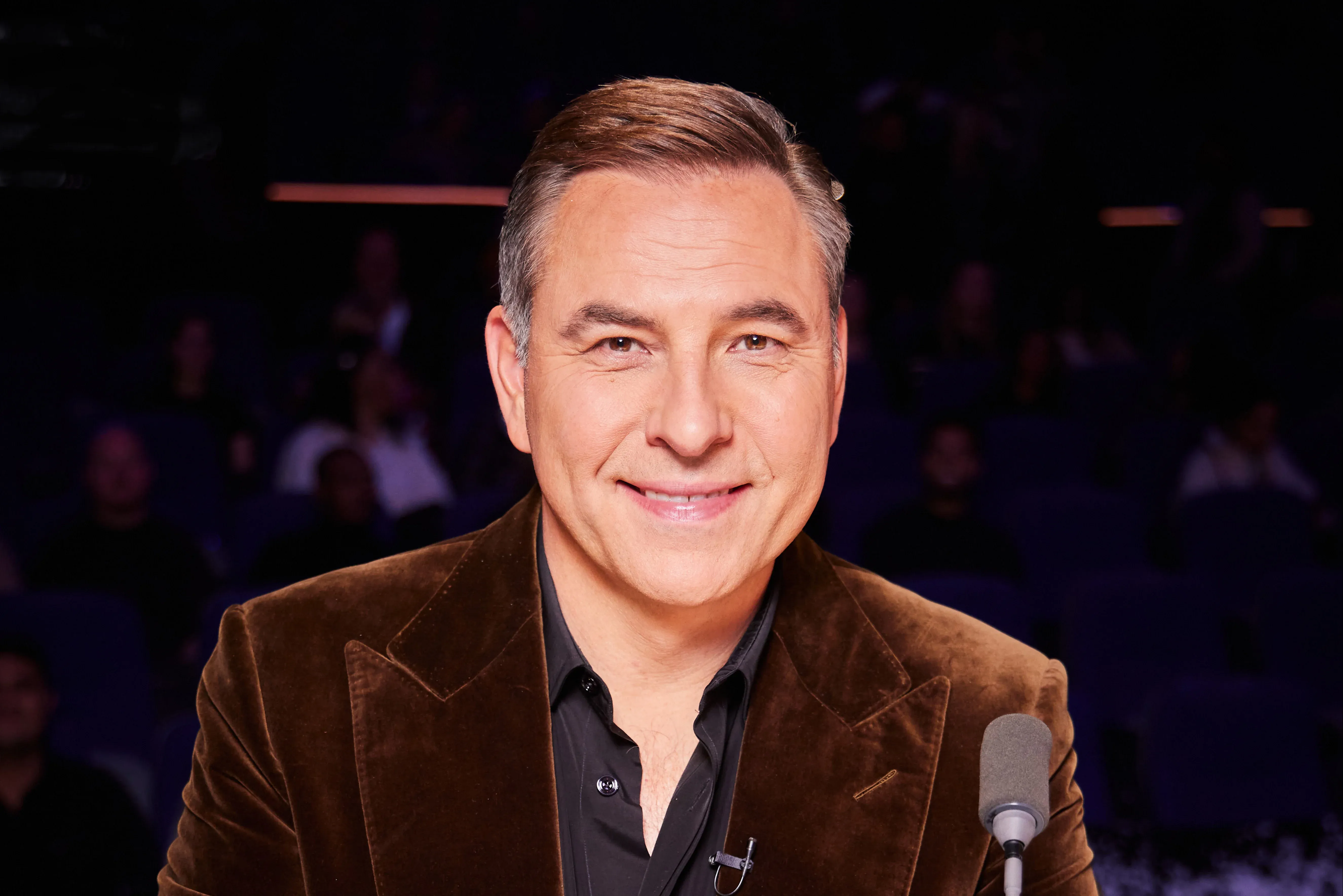
A legal dispute involving British comedian and television personality David Walliams has brought renewed attention to how the entertainment industry handles allegations of misconduct. The Guardian and ITV News reported that several women had accused Walliams of using his celebrity status and professional influence to pursue young women and teenagers. Some women said they first encountered him when they were 15. Walliams has denied being a sexual predator, denied grooming or harassing women, and rejected claims that he committed criminal wrongdoing.
The reporting followed a High Court decision that rejected Walliams’ attempt to prevent the media organisations from publishing their investigation. His legal team argued that publication could seriously affect his mental health and personal life. A medical expert who assessed the situation found that the risk of psychiatric harm was genuine and serious. However, the judge concluded that the court should not stop the publication, noting that medical professionals and hospital care were responsible for addressing immediate safety concerns. Walliams did not appeal the ruling by the deadline.
The case has raised wider questions about the balance between press freedom, the wellbeing of public figures and the ability of people to speak about their experiences. The investigation included accounts from women who described alleged unwanted attention and behaviour in professional settings. Walliams disputes the allegations and says he is devastated that some people he met in the past have expressed hurt or anger. The allegations have not been established as criminal findings by the court. The wider entertainment industry is now facing renewed discussion about workplace power, reporting procedures and how organisations respond when concerns are raised about well-known figures.
