

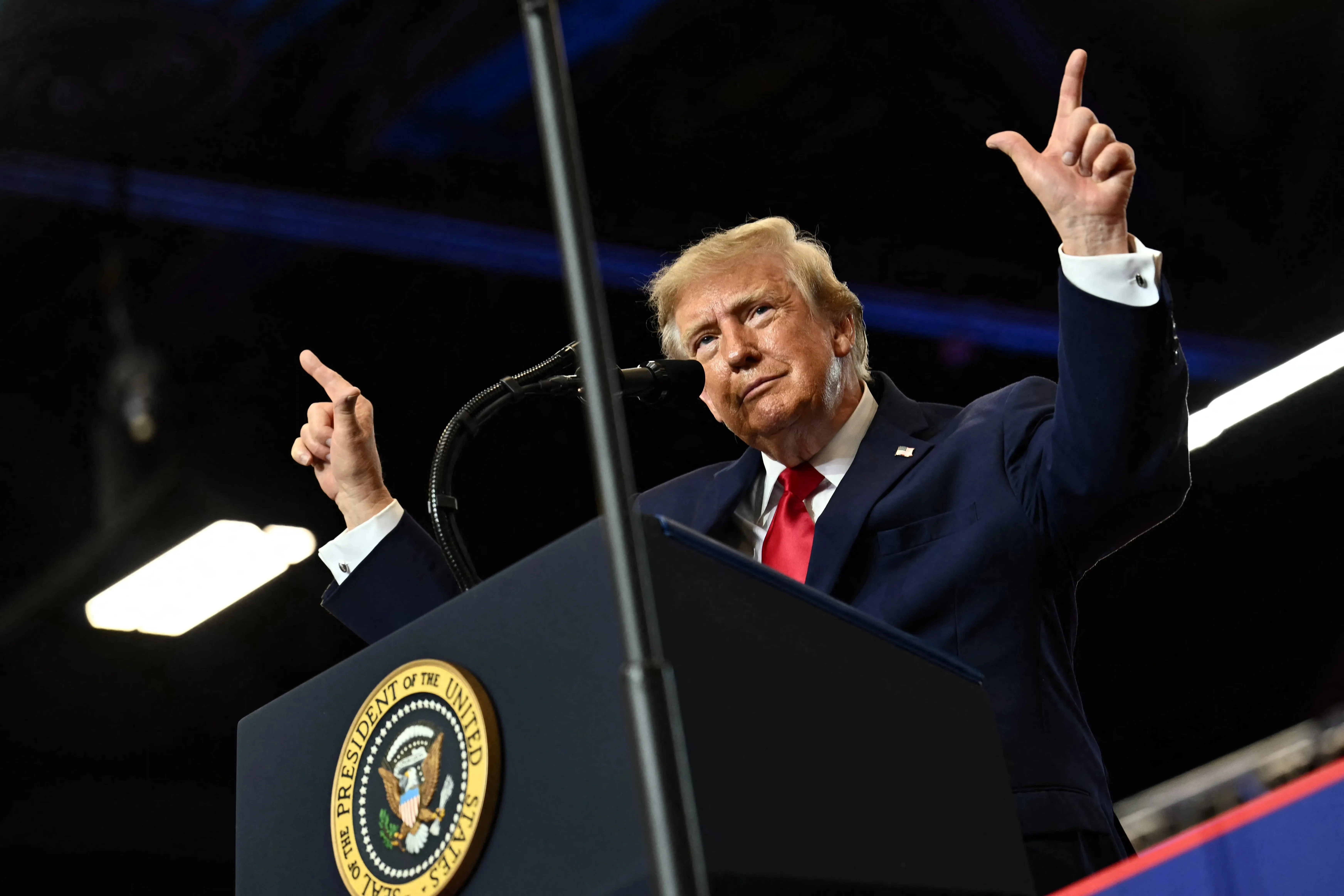
The Republican Party is entering the final days before the US midterm elections under growing pressure, as President Donald Trump’s political decisions have become a central issue in campaigns across the country. The elections on Tuesday will determine whether Republicans retain control of Congress or Democrats gain the power to challenge the administration’s legislative plans. Although midterm elections traditionally create difficulties for the party holding the presidency, the current political environment has added further challenges for Republican candidates.
Trump’s policies on trade, foreign affairs and the economy have become major subjects of debate. His decision to impose tariffs has disrupted parts of the agricultural sector and increased tensions with trading partners, including Canada. The continuing war involving Iran has also affected energy markets and contributed to higher costs for American households. These developments have made it harder for Republican candidates to focus only on their local campaigns, because voters increasingly connect national decisions with their everyday expenses.
The cost of living is one of the most important issues in the campaign. Families continue to pay close attention to grocery prices, fuel costs, housing expenses and healthcare bills. Democrats have argued that the administration’s policies have failed to ease these pressures, while Republicans have defended their economic approach and pointed to investment and domestic industry as areas of progress. However, some Republican candidates are finding it difficult to separate their campaigns from the president’s public statements and decisions.
Trump has invested heavily in helping Republican candidates. His political organisations have spent nearly $277 million supporting the party since September, making the campaign one of the most expensive midterm contests in recent US history. The spending has helped Republican candidates reach voters through advertising and campaign events, but financial support alone may not be enough to overcome dissatisfaction with the administration.
The president’s influence has also created difficult choices for Republican candidates in competitive states. Some have continued to express strong loyalty to Trump, while others have tried to show voters that they are willing to disagree with him when necessary. This balancing act is particularly important in states where independent voters and moderate Republicans could determine the result.
Democrats are also facing their own political risks. Party leaders have warned that opposition to Trump may not automatically translate into long-term support for Democratic candidates. Voters who are unhappy with the president may still expect Democrats to present practical solutions on the economy, public services and national security. If Democrats gain control of Congress, their performance after the election will influence whether they can maintain public confidence.
The election will also determine how much oversight Congress can exercise over the administration during the next two years. A Democratic victory in either chamber could create greater scrutiny of government decisions and make it harder for the president to pass legislation. If Republicans retain control, Trump would have a stronger opportunity to continue his policy agenda.
The final campaign period is therefore a major test of the president’s political influence. Republican candidates need strong turnout from their supporters while also reaching voters who remain uncertain about the administration. The results will provide an important indication of how Americans view Trump’s leadership and whether his party can maintain its control of Congress.
