

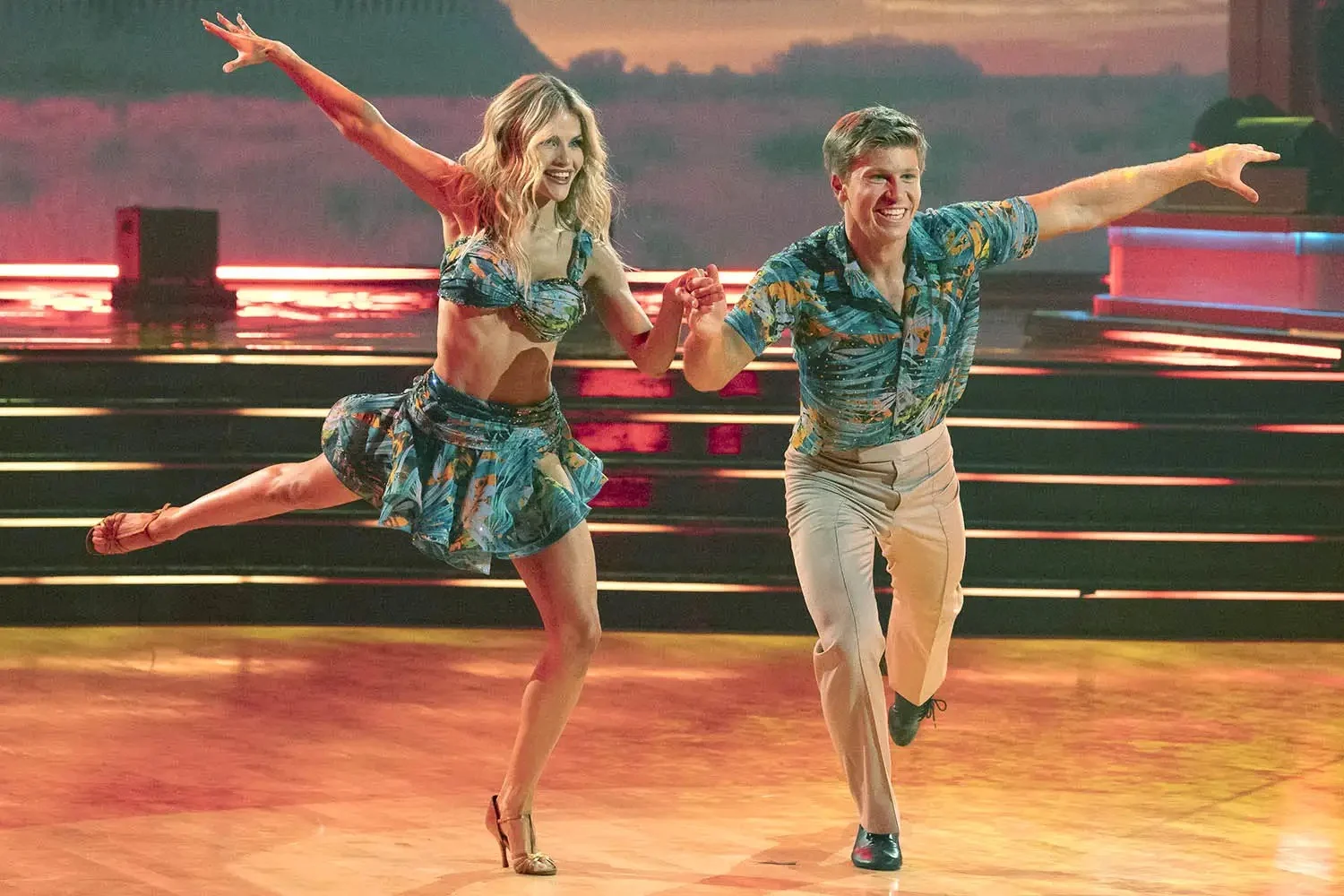
Two of television’s most enduring competition franchises return to screens tonight, with The Voice launching its thirtieth season of blind auditions while Dancing with the Stars continues its thirty-fifth season, together anchoring what has become one of the most reliably popular nights of the week for competition-based reality programming. Both shows have built remarkably durable audiences over their extended runs, continuing to draw significant viewership even as the broader television landscape has transformed dramatically around them through the rise of streaming and the fragmentation of traditional broadcast audiences.
The Voice’s blind audition format, in which celebrity coaches select potential team members based solely on vocal performance without seeing the singers, remains one of the more distinctive elements that has helped differentiate the show within the broader crowded field of singing competition programs. Reaching a thirtieth season represents a substantial achievement in an industry where many competition formats struggle to maintain audience interest over anywhere near this extended a timeframe, with the show’s willingness to periodically refresh its panel of celebrity coaches helping keep the format feeling relevant across changing musical tastes and celebrity culture trends.
Dancing with the Stars has similarly built a devoted following through its combination of celebrity participants, professional dance partners, and judged performance format that generates substantial audience engagement through both the live broadcast and extensive social media discussion following each episode. The show’s format, pairing celebrities of varying dance experience with professional partners for weekly judged performances, has proven durable across more than three decades of the competition, adapting its specific music and dance style choices to remain culturally current while maintaining its core structural elements largely intact.
Both shows generate substantial real-time social media engagement during their broadcasts, with audiences actively discussing performances, judge commentary, and elimination results throughout each episode. This kind of live social media conversation has become an increasingly important element of how competition programming maintains cultural relevance, creating a shared communal viewing experience even as audiences increasingly watch on their own individual schedules through various streaming and on-demand viewing options rather than exclusively through traditional live broadcast viewing.
Casting decisions for both programs continue generating significant pre-premiere buzz, with audiences eager to learn which celebrities will compete on Dancing with the Stars and speculating about the vocal talent that might emerge from this season’s Voice auditions. This kind of anticipatory audience engagement, built well before the actual premiere broadcasts, reflects the sophisticated marketing and audience-building strategies that have become essential to sustaining long-running competition franchises across extended multi-decade runs.
Industry analysts note that both shows continue serving important strategic functions for their respective networks beyond simply their own individual ratings performance, often serving as valuable lead-in programming that helps build audience for subsequent programs airing later in the same broadcast night. This kind of strategic scheduling value has helped ensure continued network investment in both franchises even as the broader economics of traditional broadcast television have shifted considerably amid ongoing competition from streaming platforms.
As tonight’s episodes air, both shows continue demonstrating the enduring appeal of live competition formats within an increasingly fragmented media landscape. Whether through The Voice’s musical talent discovery format or Dancing with the Stars’ celebrity performance competition, both programs illustrate how well-established competition franchises can continue finding fresh angles and generating genuine audience excitement even after extraordinarily long runs on network television.
