

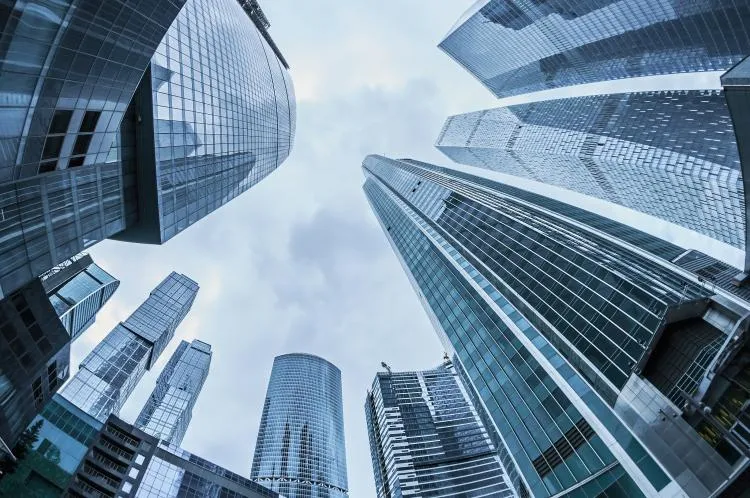
Architecture enthusiasts and urban planning fans are marking Skyscraper Day today, an observance celebrating the engineering and design achievements behind Skyscraper Day architectural marvels that have come to define city skylines around the world.
The observance highlights how skyscraper construction represents a remarkable intersection of engineering innovation, architectural design, and urban planning, with each generation of tall buildings pushing technical boundaries further than the structures that came before them.
Structural engineering advances have enabled increasingly ambitious skyscraper heights over recent decades, with innovations in materials science, wind resistance design, and construction techniques allowing architects to pursue increasingly dramatic vertical building projects worldwide.
Sustainability considerations have become an increasingly important focus within modern skyscraper design, with many recent projects incorporating energy efficient systems, renewable energy generation, and other environmentally conscious features that reflect evolving priorities within the architecture industry.
Iconic skyscrapers often become defining symbols for the cities that host them, contributing significantly to local identity and tourism appeal while also serving practical purposes as office space, residential housing, and mixed use commercial development within dense urban environments.
The observance also highlights the significant human effort required for skyscraper construction, recognizing the skilled workers, engineers, and construction professionals whose expertise makes these ambitious architectural projects possible despite considerable technical and safety challenges involved.
International competition for constructing the world’s tallest buildings has driven significant architectural innovation, with various countries and cities pursuing increasingly ambitious projects that showcase both engineering capability and broader economic and cultural aspirations.
Historical perspective on skyscraper development reveals dramatic changes in both height capabilities and design philosophy over the past century, with early skyscrapers appearing modest compared to contemporary structures that dwarf previous generations of tall building construction.
Urban density considerations continue driving skyscraper development in many major cities, where limited available land makes vertical construction an increasingly practical solution for accommodating growing populations and economic activity within constrained geographic footprints.
Architectural tourism connected to notable skyscrapers has grown significantly, with observation decks and other visitor attractions within tall buildings drawing substantial tourist interest, generating meaningful economic activity beyond the buildings’ primary commercial or residential functions.
As this observance continues, architecture enthusiasts worldwide are encouraged to appreciate the remarkable engineering and design achievements represented by skyscrapers in their own communities or destinations they might visit. This day serves as a reminder of humanity’s continued ambition to build ever higher into the sky.
