

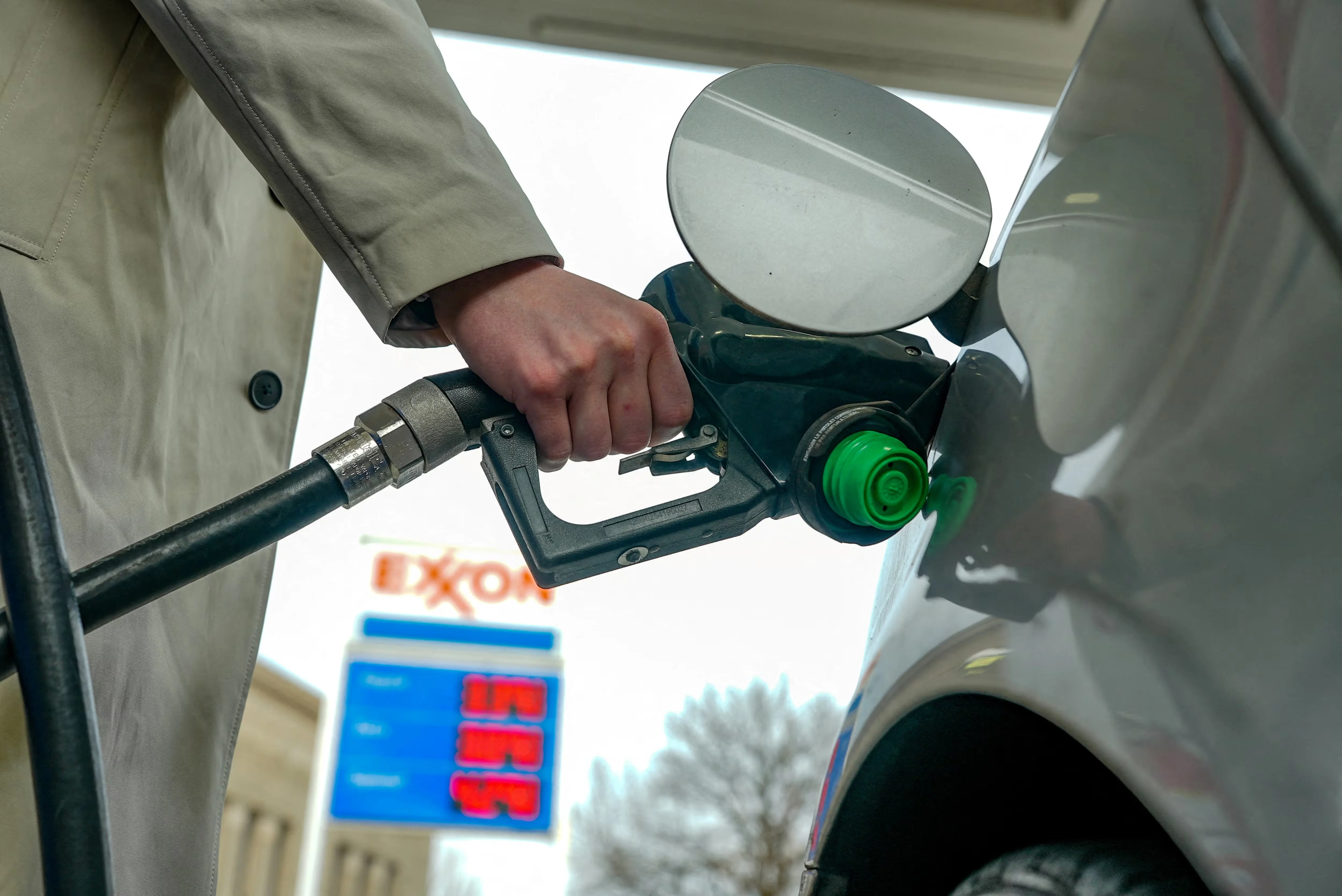
The average cost of fuel has reached a significant milestone as US gas prices hit record highs, with AAA data showing the national average climbing to 4.29 dollars per gallon Friday, representing one of the steepest sustained price increases in recent memory.
This latest figure marks a substantial jump from just a month earlier, when prices averaged 4.07 dollars per gallon, and represents an even more dramatic increase compared to the 3.19 dollars per gallon Americans paid for gasoline just one year ago during the same period.
Global oil prices have driven much of this sustained increase, with international benchmark crude surpassing 104 dollars a barrel Friday, reflecting a nearly 50 percent increase since the outbreak of conflict between the United States and Iran roughly six months ago this past February.
The largest oil supply shock in recorded history followed the conflict’s outbreak, according to energy market analysts, fundamentally disrupting global supply chains and pushing prices to levels not seen in years, with ripple effects extending well beyond just fuel costs into broader consumer prices.
Grocery prices and other everyday goods have also felt upward pressure connected to elevated fuel costs, since transportation expenses factor significantly into the final retail price of numerous products that must be shipped from production facilities to stores throughout the country.
This sustained price pressure has created significant political sensitivity, particularly given upcoming November midterm elections, with rising fuel costs representing one of the most visible and frequently discussed economic indicators affecting how voters perceive overall economic conditions.
President Trump has offered various explanations and predictions regarding fuel costs throughout the conflict’s duration, most recently suggesting prices would drop significantly once hostilities conclude, even as current market conditions continue reflecting substantial upward pressure tied to ongoing tensions.
Administration officials have shown some divergence in their public messaging about future price trajectories, with Energy Secretary Chris Wright previously declining to offer firm predictions about whether prices would continue climbing, while suggesting eventual decline remained more likely than continued increases.
Consumer behavior has begun adjusting to this sustained high price environment, with some drivers reducing discretionary travel while others have shown increased interest in fuel efficient vehicles, reflecting typical patterns observed during previous periods of significantly elevated gasoline costs.
Regional price variations remain significant, with certain areas experiencing even higher costs than the national average, particularly regions with additional state taxes or transportation costs that compound the underlying wholesale price increases affecting the broader national market.
As this price environment continues, American consumers and businesses alike face ongoing budget pressure from elevated fuel costs. Until meaningful resolution to the underlying conflict emerges, energy analysts expect continued volatility and likely sustained upward pressure on prices at the pump nationwide.
