

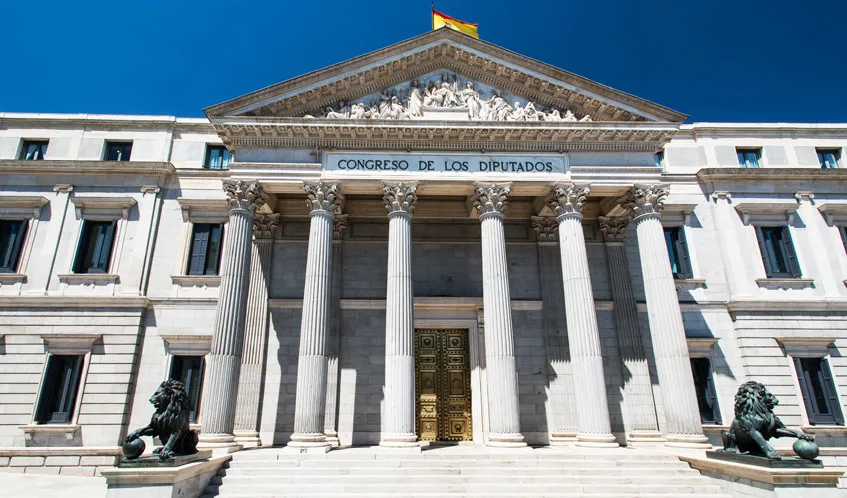
Spain is voting in a high-stakes general election that could bring the far-right Vox party into national government for the first time since the country returned to democracy after the dictatorship of Francisco Franco. Prime Minister Pedro Sánchez called the early election after his housing proposals were blocked by opposition parties, including the conservative People’s Party and Vox. The result could reshape Spain’s political direction and influence the wider debate about the growing strength of nationalist movements across Europe.
Sánchez has presented his left-wing government as an alternative to the political shift taking place in several European countries. His administration has promoted higher wages, renewable energy investment, expanded public services and measures aimed at improving access to housing. However, the government has struggled to convince many voters that its policies have adequately addressed rising rents, inequality and the uneven distribution of economic gains. Corruption allegations involving people close to the prime minister have also weakened confidence in his administration during the campaign.
Opinion polls have suggested that the People’s Party could finish ahead of Sánchez’s Socialists but fall short of securing an outright majority. That would leave it dependent on Vox to form a government. Vox has built its support through strict immigration proposals, nationalist messaging and opposition to several progressive social policies. Its possible entry into government has raised concerns among opponents about the future of abortion rights, cultural freedoms, media independence and Spain’s approach to migration.
The election is being watched closely beyond Spain because its result could become an important test of cooperation between mainstream conservative parties and the far right. A victory for the PP and Vox could encourage similar alliances elsewhere in Europe, where traditional conservative parties are facing pressure from nationalist movements. A Sánchez victory, on the other hand, would provide evidence that progressive governments can still compete successfully despite economic frustration and political polarisation. The outcome could therefore have consequences well beyond the country’s borders.
