

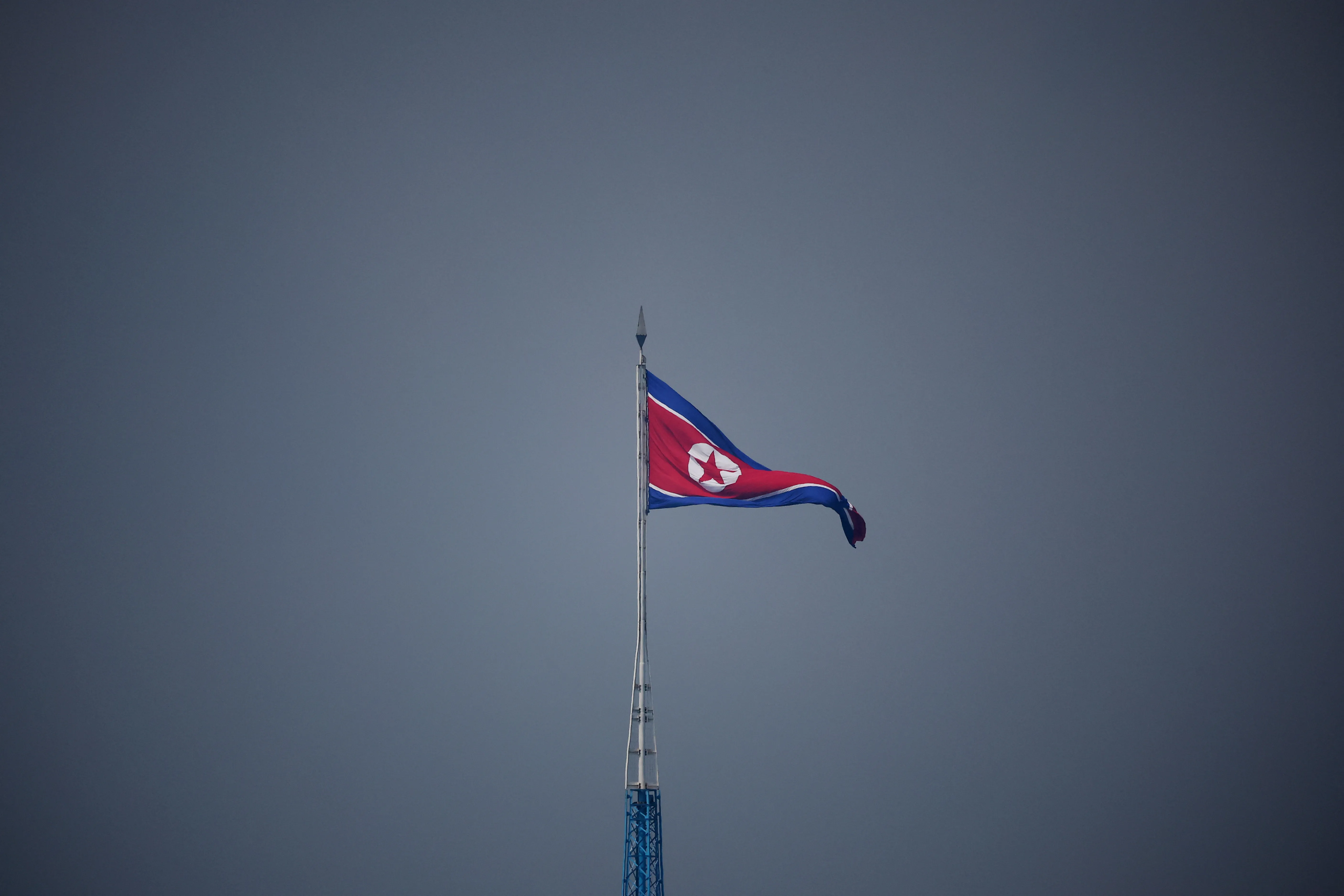
North Korea has ordered the head of Switzerland’s diplomatic office in Pyongyang to leave the country within 48 hours, creating another setback in relations between the two countries. The decision was announced by North Korea’s Foreign Ministry on Wednesday and followed Switzerland’s decision to impose sanctions on the Songdowon International Children’s Camp. Pyongyang described the Swiss action as hostile and accused the country of interfering with its sovereign affairs. The move also raised questions about the future of Switzerland’s diplomatic presence in the North Korean capital.
The North Korean government said the Swiss representative, Sylvain Astier, had been summoned and informed that he was no longer welcome in the country. State media reported that the Foreign Ministry had declared him persona non grata and instructed him to leave. North Korea’s statement argued that the sanctions were an unacceptable action against an institution connected to children’s cultural and recreational activities. The government also warned that it would not accept measures it considered harmful to its national interests or the rights of its citizens.
Switzerland introduced the sanctions after allegations that the children’s camp had played a role in transferring children from Russian-occupied areas of Ukraine. The issue has attracted international attention because of wider concerns about the treatment and movement of children during Russia’s war against Ukraine. Switzerland’s Foreign Ministry defended its sanctions policy, saying its decisions were independent and did not prevent the country from maintaining diplomatic communication with governments that hold different positions. Swiss officials have described diplomatic engagement as an important way to keep channels open even during disagreements.
The dispute places Switzerland’s diplomatic office in Pyongyang in an uncertain position. The office has been one of the limited channels through which Switzerland has maintained contact with North Korea, a country that has few diplomatic relationships with Western governments. The expulsion could weaken opportunities for communication at a time when international tensions remain high. It also shows how sanctions connected to the Ukraine war can affect diplomatic relations far beyond Europe, creating new disagreements between countries that were not directly involved in the original conflict.
