

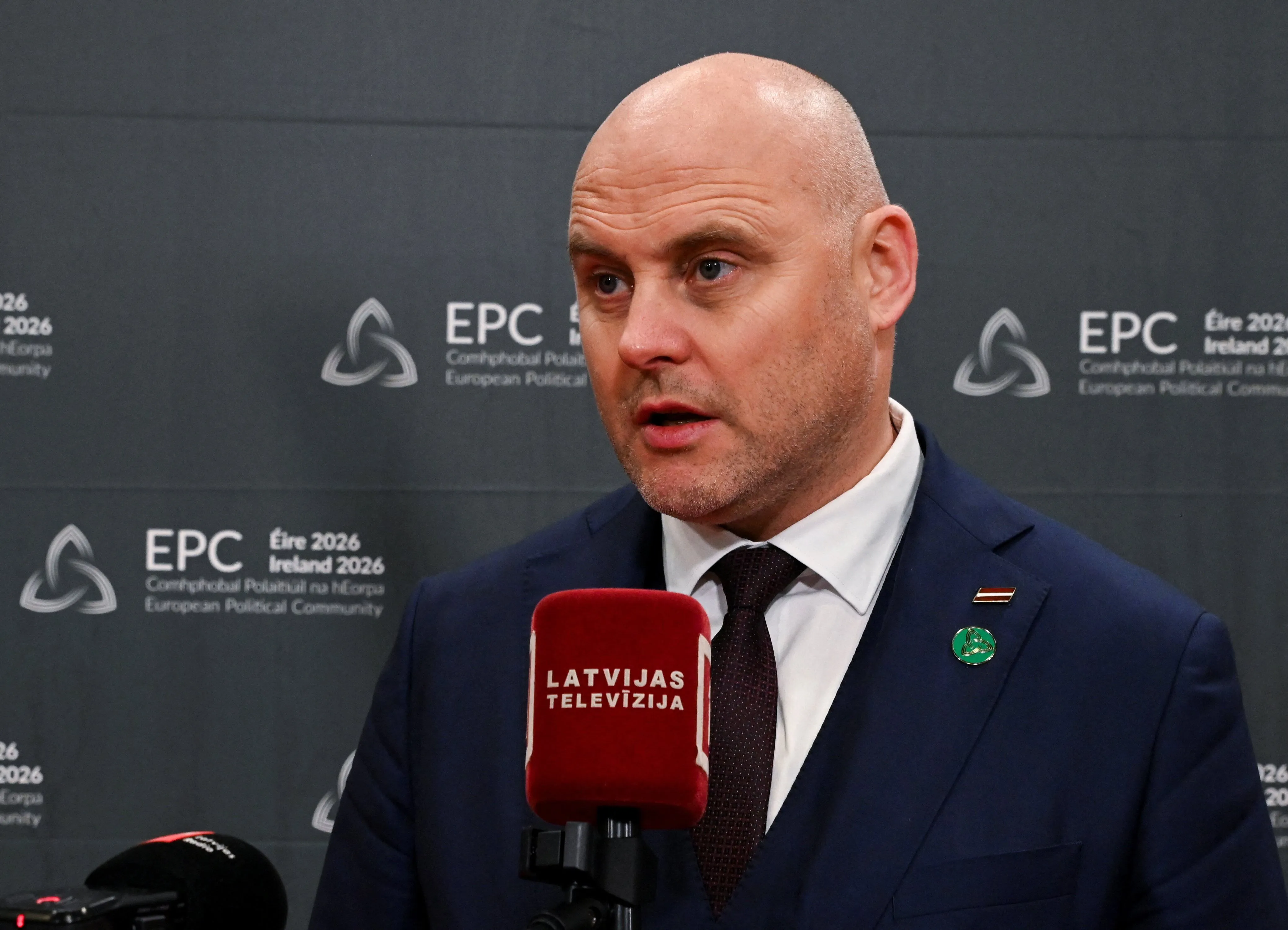
Latvia’s new prime minister, Andris Kulbergs, has presented a government coalition built around promises to strengthen the country’s economy and reduce the size of the public sector. His political alliance is preparing to take office with support from the nationalist National Alliance. Together, the two parties hold 51 of the 100 seats in parliament, giving the new administration a narrow working majority. Kulbergs says his government wants to create better conditions for private businesses, attract investment and make public institutions more efficient.
The election result gave Kulbergs’ United List a strong position in Latvian politics. The party received 35.3 percent of the vote in October, marking one of the strongest results for a single political group since Latvia regained independence in 1991. However, the result was not enough to govern alone. The agreement with the National Alliance therefore became necessary to form a government and secure parliamentary support for its programme.
Economic performance will be one of the administration’s biggest challenges. Latvia has struggled to keep pace with some of its Baltic neighbours, and the new government wants to address the problem by reducing unnecessary bureaucracy and encouraging private investment. Kulbergs has also promised to reduce the number of public-sector employees. The government has not yet provided a complete timetable or explained which departments could face the largest changes, but the announcement signals an effort to control state spending.
Foreign policy is expected to remain firmly supportive of Ukraine. Kulbergs has said that Latvia will continue to oppose Russian aggression and maintain its commitment to European security. The new government must now balance its economic promises with the demands of national defence and a complicated coalition agreement. Its narrow majority could make difficult reforms challenging, particularly if disagreements emerge between coalition partners. Latvia’s political history also provides a warning: previous governments have struggled to complete full terms in office.
