

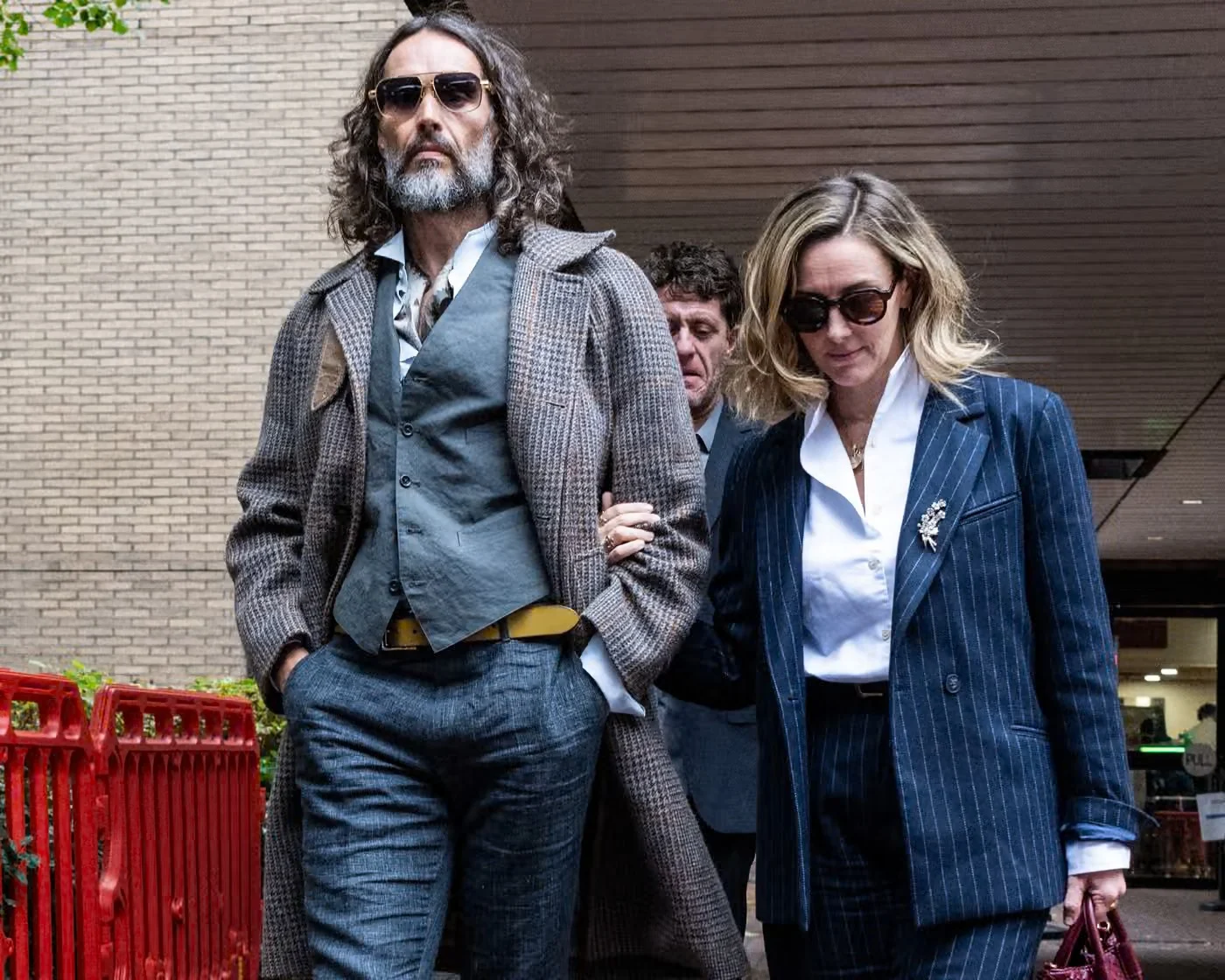
Comedian and actor Russell Brand faced further scrutiny in a London court on October 21 as proceedings continued over allegations of sexual offences involving several women. The court heard testimony from a woman who described her experience of Brand and said she felt he had treated her in a deeply degrading way. The allegations form part of a criminal case that has drawn attention to questions of consent, celebrity influence and accountability.
Brand faces multiple charges, including allegations of rape, sexual assault and indecent assault involving six women. He denies the allegations. The charges are allegations that must be tested through the legal process, and the court must assess the evidence before reaching any findings. Reporting on the case therefore needs to distinguish between testimony presented in court and facts established by a verdict.
The proceedings have attracted public interest because Brand built a career across comedy, television, film and online media. His public image has changed over time, from a provocative entertainer to a figure who regularly discusses politics, culture and personal beliefs with a large online audience. The criminal case has brought renewed attention to the difference between a celebrity’s public persona and the conduct alleged in private settings.
Court testimony can be difficult for those giving evidence, particularly in cases involving sexual offences. Witnesses may need to describe intimate experiences and answer questions from lawyers. The legal process is intended to test evidence fairly, but it can also place emotional pressure on complainants. Courts must balance the rights of the accused with the need to hear witnesses and examine the claims carefully.
The case also reflects a wider debate about power in the entertainment industry. Famous performers may have access to money, professional networks and large audiences that can shape how people respond to them. Critics have argued that these advantages can make it harder for people to speak openly about alleged misconduct. At the same time, criminal proceedings must rely on evidence rather than public opinion, regardless of a person’s fame.
For the entertainment industry, cases involving well-known figures can lead to difficult questions about professional responsibility. Producers, broadcasters, venues and other organisations may review their policies when allegations become public. However, the legal case and any workplace or commercial decisions are separate matters. A court determines criminal responsibility, while employers and organisations may make their own decisions under different rules.
The current proceedings do not mean that the charges have been proven. The evidence must be considered in court, and Brand has the right to defend himself. Public discussion should avoid treating allegations as a final finding, while also recognising that complainants have the right to have their accounts heard through the proper process.
As the case continues, the court’s handling of testimony and evidence will be central to the outcome. The proceedings may also influence wider conversations about how sexual offence allegations are reported, how witnesses are treated and how public figures are held accountable under the law. The result must ultimately rest on the evidence presented and the legal standards that apply to every defendant.
