

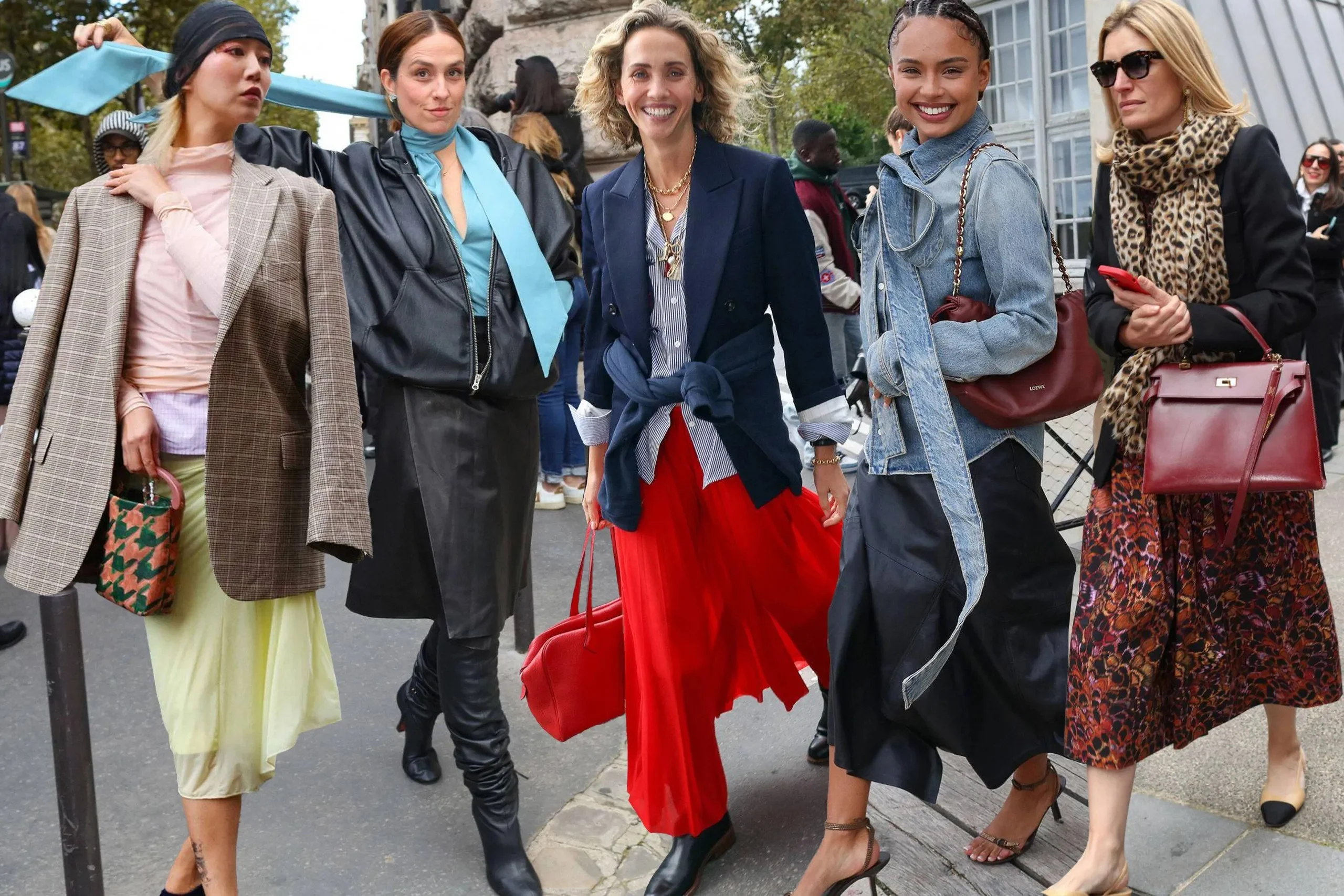
Paris Fashion Week is showing a new mix of bold design, old ideas and modern style as major fashion houses present their spring and summer collections. The event has again placed Paris at the center of global fashion, with designers looking for new ways to make classic clothes feel fresh.
The 2026 Paris fashion season has brought together some of the biggest names in luxury fashion. Designers have used bright colors, unusual shapes, light fabrics and strong details to create collections aimed at a changing audience.
One major trend is a move away from very quiet luxury. For several years, simple colors and small logos were popular among wealthy shoppers. Designers are now showing more personality through color, shape and bold details.
Chanel has been one of the major examples of this change. Its latest collection mixes its famous tweed with lighter shapes, strong prints and modern cuts.
Other fashion houses have also looked to the past. Some designers have brought back styles linked to the 1990s and earlier periods. The goal is not simply to copy old clothes, but to change them for modern buyers.
Paris Fashion Week is important for more than fashion fans. The event has a large effect on the luxury business. Designers use the shows to build interest in new products before they reach stores.
Luxury brands have faced a difficult market in recent years. Some shoppers have reduced spending on expensive clothes and bags because of higher living costs and economic uncertainty.
Younger shoppers are especially important. They often look for clothes that feel personal and easy to share online. A strong runway image can quickly spread across social media and create interest around a brand.
Designers are also paying more attention to sustainability. The fashion industry has faced criticism over waste, pollution and the large amount of water and energy used to make clothes.
Some brands are now using recycled materials or trying to reduce the use of petroleum based fabrics. Others are looking for ways to make clothes last longer.
Paris Fashion Week also remains a major cultural event. Celebrities, models, buyers, journalists and designers gather in the city for several days of shows and events.
The presence of major stars can increase attention around a collection. A single photograph from a front row can reach millions of people within hours.
This year, designers have also focused on comfort and movement. Some collections use lighter fabrics and looser shapes. Others use shorter skirts, cropped jackets and flowing dresses. The mix shows that there is no single fashion rule for the coming season.
Paris remains important because it allows different ideas to meet in one place. A designer can combine history with technology, traditional craft with modern shapes, or luxury with sustainability. That variety keeps the event relevant. For shoppers, the new collections will gradually move from the runway to stores in the months ahead.
For fashion companies, the goal is more serious. They need to turn attention into sales at a time when luxury demand is uneven. The October 6 fashion coverage shows that Paris is still setting trends for the global industry.
The new season is likely to be less about one perfect style and more about choice, personality and strong design. That shift could help fashion brands connect with customers who want clothes that feel both modern and individual.
