

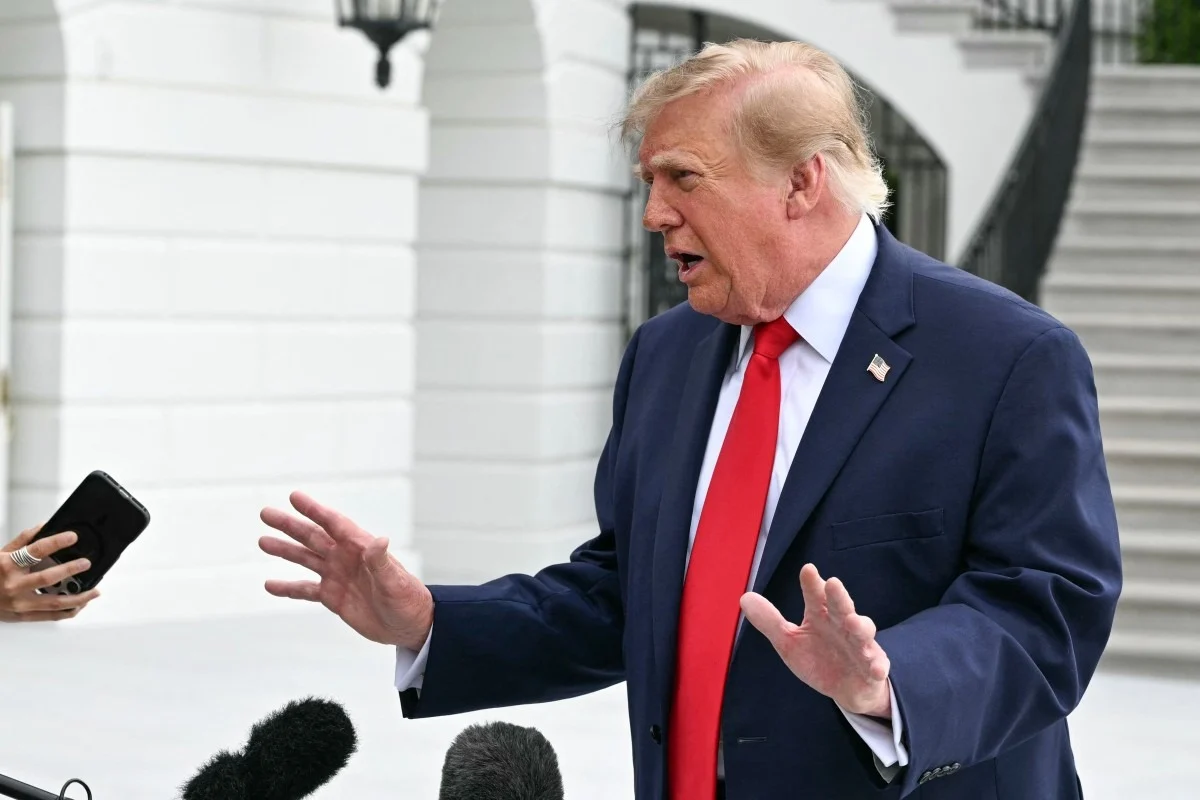
President Trump rejected Iran’s latest proposal for reopening the Strait of Hormuz, according to reports circulating this morning, marking a notable setback in negotiations that had appeared to be gaining momentum just days earlier. Despite the rejection, administration officials indicated that talks between the two countries may resume later this week, suggesting the door toward eventual agreement remains open even after this particular round of proposed terms failed to satisfy American negotiators.
The rejected proposal reportedly involved a phased approach under which Iran would have begun reopening the strategically vital waterway in exchange for the United States lifting its naval blockade on Iranian ports and easing broader economic pressure. Financial markets reacted quickly to news of the rejection, with oil prices advancing and American equity futures slipping in early trading as investors recalibrated expectations that had grown increasingly optimistic about a near-term resolution to the standoff.
Details about the specific sticking points that led to the rejection remain somewhat limited, though the pattern mirrors earlier stages of this extended negotiation, where technical progress on logistics has repeatedly run into disagreement over broader political and military conditions. Iran has consistently maintained throughout the process that it requires meaningful relief from American military pressure before agreeing to any reopening of the strait, while American officials have signaled they see little urgent need to rush toward concessions given what they describe as a currently favorable negotiating position.
This latest development adds another chapter to what has become a genuinely unpredictable negotiating process, with progress and setbacks alternating over recent weeks as both sides work through the complex terms of any eventual agreement. Diplomatic observers note that rejections of specific proposals do not necessarily signal the collapse of the broader negotiating framework, particularly given that American officials have explicitly left open the possibility of resuming discussions within the same week as this rejection.
Qatar has continued serving as the primary mediator throughout this process, working to bridge communication between two governments that maintain no formal direct diplomatic relations. The mediating role has proven essential given the deep mistrust characterizing the relationship, with Qatari officials reportedly continuing efforts to identify terms that might eventually satisfy both parties even after this particular proposal failed to advance the process as far as some observers had hoped just days earlier.
Regional allies and international observers continue watching the situation closely, given the substantial implications any resolution or further escalation could have for both regional stability and global energy markets that have experienced considerable volatility throughout this extended period of tension. The whiplash nature of recent developments, oscillating between reported progress and renewed setbacks, has made it particularly difficult for markets and diplomats alike to confidently predict where this negotiation ultimately heads in the near term.
As this week begins, attention remains focused on whether the promised resumption of talks can produce more durable progress than this latest failed proposal. Whether Iran and the United States can eventually bridge the gap between their respective positions remains genuinely uncertain, even as both sides appear to retain at least some interest in continuing the negotiating process rather than abandoning diplomatic efforts entirely following this particular setback.
