

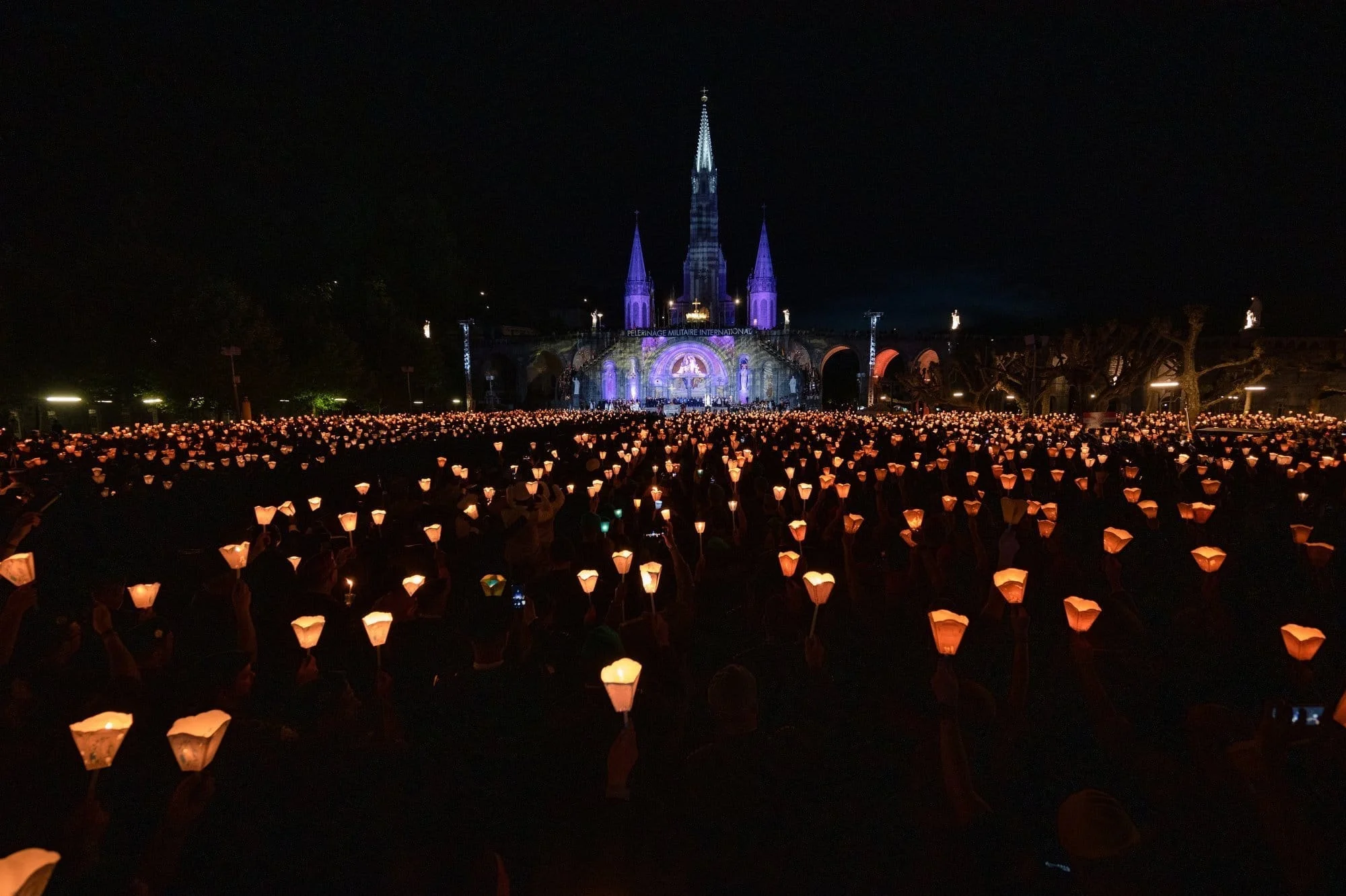
Parisians are adjusting their daily routines this week as the city prepares to host its first papal visit in eighteen years, with security perimeters, transit changes, and enormous anticipated crowds reshaping ordinary life across several central neighborhoods. For residents living near Notre-Dame Cathedral, the Élysée Palace, or the planned route of the popemobile procession, the past several days have involved careful planning around road closures and shifting public transportation schedules that will remain in effect through the visit’s conclusion.
Local businesses in the affected areas have responded to the anticipated influx of visitors in different ways, with some restaurants and cafes extending their hours to accommodate pilgrims and curious onlookers, while others near the tightest security perimeters have had to adjust delivery schedules or temporarily limit certain services given restricted vehicle access to their streets. Shopkeepers along the popemobile’s planned route through the Left Bank have described a mixture of excitement about the potential boost in foot traffic and genuine logistical challenges tied to managing customers amid unusually heavy pedestrian congestion.
Public transportation authorities have issued detailed guidance encouraging residents to plan alternative routes well in advance, particularly for anyone needing to travel through the Luxembourg Gardens area, Boulevard Saint-Germain, or the streets surrounding Place Saint-Michel during the hours when security restrictions are most extensive. Bus lines running through these neighborhoods face significant disruption throughout the day, and transit officials have specifically advised commuters to check real-time service updates before setting out rather than assuming their usual routes will operate normally.
For many longtime Parisians, the scale of preparation surrounding this visit has evoked memories of previous major civic events that similarly reshaped the rhythm of daily city life, even if only temporarily. Some residents have expressed mild frustration at the inconvenience of navigating altered routes and increased security checkpoints, while others have described a genuine sense of excitement at witnessing a historic moment for the city, one that many acknowledge may not repeat again for years given how infrequently official papal visits to France have occurred throughout recent decades.
Hotels throughout the city have reported strong occupancy tied directly to visitors traveling specifically for the papal events, with accommodations near Notre-Dame and along the Left Bank seeing particularly high demand in the days leading up to the visit. This surge in hospitality activity has provided a meaningful economic boost to businesses in the tourism sector, even as it has simultaneously added to the general congestion that residents have needed to navigate around throughout the week.
Families with young children living in the most affected neighborhoods have faced particular planning challenges, with some schools adjusting dismissal times or transportation arrangements to account for anticipated street closures during the school day. Parents in these areas have generally described taking a pragmatic approach, building extra time into their daily schedules and staying closely attuned to official updates from both city authorities and their children’s individual schools throughout the visit’s duration.
As the visit continues over the coming days, the practical adjustments Parisians have made to their daily routines reflect the genuine scale of hosting such a significant event within a dense, historic urban environment. Whether viewed primarily as a meaningful spiritual occasion, a notable civic moment, or simply a temporary source of inconvenience, the visit has undeniably reshaped the texture of everyday life across large portions of the city, offering residents a shared, if occasionally disruptive, experience that many are likely to remember well after the pope’s motorcade has moved on to its next destination.
