

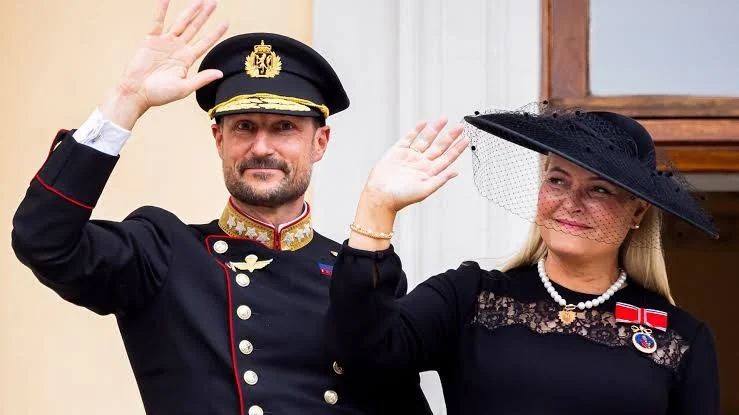
Norway has entered a new royal era as Norways King Haakon VIII begins reign duties following the death of his father, King Harald V, with the transition marking a significant moment in the constitutional monarchy’s modern history and continued ceremonial functions.
Crown Princess Mette-Marit has assumed the role of queen alongside her husband’s ascension, completing a transition that royal officials had prepared for given the late king’s advanced age and the established line of succession within Norway’s constitutional monarchy framework.
Harald V had served as Norway’s monarch for several decades, becoming a widely respected figure both domestically and internationally, with his reign spanning significant periods of national development and Norway’s continued evolution as a modern constitutional democracy.
The transition to the new king occurs within Norway’s well established constitutional framework, which clearly defines the ceremonial and symbolic functions the monarchy performs within the country’s parliamentary democratic system of governance and national representation.
National mourning periods and official ceremonies have accompanied this transition, reflecting both genuine public affection for the late king and the formal protocols Norway maintains for marking significant transitions within its constitutional monarchy institution.
International dignitaries and fellow European royal families have offered condolences and formal recognition of this transition, reflecting the interconnected nature of Europe’s remaining constitutional monarchies and their traditional diplomatic and ceremonial relationships with one another.
The new king inherits a monarchy that, while lacking direct political power under Norway’s constitutional system, continues playing significant ceremonial, diplomatic, and national unity functions that many Norwegians view as valuable despite the monarchy’s limited formal governmental authority.
Public reaction to this transition has generally reflected respect for both the departed monarch’s legacy and confidence in the new king’s preparation for his ceremonial responsibilities, having served extensively as crown prince throughout preparation for eventually assuming the throne.
Norway’s monarchy continues enjoying relatively strong public support compared to some other European constitutional monarchies, with polling generally showing majority backing for maintaining the institution despite its lack of direct political authority within the country’s governmental structure.
This royal transition occurs alongside Norway’s continued engagement in various international matters, with the country maintaining its traditional role in international diplomacy, peace mediation efforts, and Nordic regional cooperation that has characterized its foreign policy approach for decades.
As this transition period continues, Norway’s royal family and government officials work through the established protocols marking this significant moment. The new king’s reign begins amid continuity with established constitutional traditions rather than any anticipated significant changes to the monarchy’s role.
