

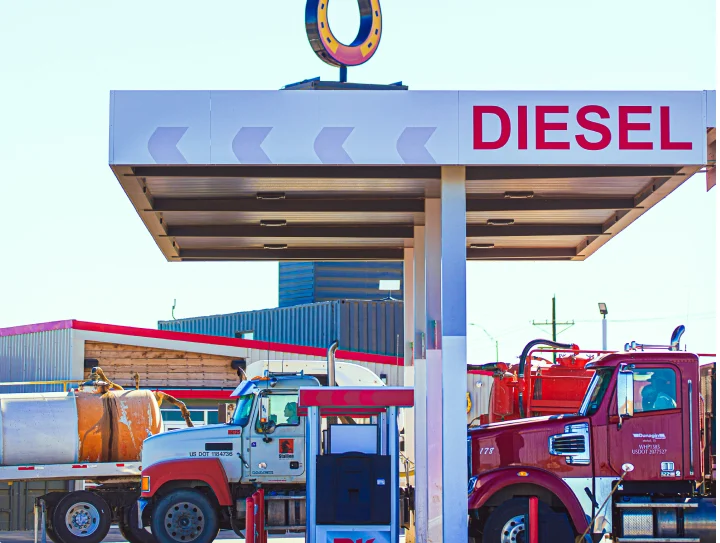
Fuel markets saw diesel prices hit record high territory this week, as ongoing conflict in the Middle East continues driving broader energy costs upward, creating fresh challenges for supply chains and industries that depend heavily on diesel powered transportation.
The record price levels reflect sustained pressure across global energy markets, with crude oil prices climbing significantly in recent weeks amid renewed strikes between American and Iranian forces near the strategically vital Strait of Hormuz shipping corridor.
Industry analysts note that diesel prices often respond even more sharply than gasoline to supply disruptions, given diesel’s critical role in trucking, shipping, agriculture, and industrial operations that form the backbone of global supply chains and cannot easily shift toward alternative fuel sources.
Transportation and logistics companies are already feeling the impact of these elevated fuel costs, with many firms indicating they will need to pass increased expenses through to customers via higher shipping rates, a trend that could contribute to broader inflationary pressure across the economy.
Agricultural operations face particular exposure to rising diesel costs, given the fuel’s essential role in farm equipment operation and food transportation. Higher diesel prices during this critical period of the growing season could squeeze already thin profit margins for many farming operations.
The trucking industry, which moves the vast majority of goods across the country, has expressed growing concern about sustained high diesel costs. Independent truckers in particular face significant financial pressure, since fuel represents one of their largest operating expenses.
Energy analysts point to the broader pattern of oil price increases this year, with crude benchmarks posting their strongest weekly gains since mid-July as tensions between the United States and Iran show few signs of resolving through the diplomatic channels both sides have periodically pursued.
Refining capacity constraints have also contributed to the diesel price surge, with certain regional refineries facing operational challenges that have limited diesel production even as underlying crude oil costs have climbed substantially in recent trading sessions.
Consumer facing businesses that rely on delivery services have begun signaling potential price adjustments to offset rising fuel costs, suggesting the impact of elevated diesel prices could eventually reach everyday shoppers through higher costs for various goods and services.
Government officials have acknowledged the challenging fuel price environment, with some administration figures pointing to domestic energy production efforts as a longer term solution, even as immediate relief for elevated diesel prices remains largely dependent on developments in the ongoing Middle East conflict.
As diesel prices remain at record levels, industries throughout the supply chain continue adjusting their operations and pricing strategies. Until meaningful de-escalation occurs in the underlying conflict driving energy market volatility, analysts expect diesel costs to remain a significant economic pressure point in the weeks ahead.
