

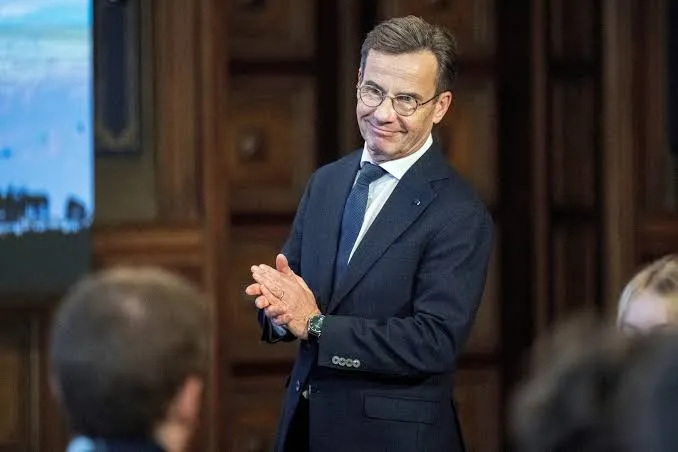
Sweden’s main political blocs are racing to secure support from the Centre Party as the country struggles to form a government following a closely contested election. The centre-left group, led by Social Democrat Magdalena Andersson, won a narrow majority in September but has been unable to agree on how power should be shared. Meanwhile, caretaker Prime Minister Ulf Kristersson is trying to build a centre-right government. The Centre Party has demanded that both sides explain how they would govern without depending on political groups they consider unacceptable. Its decision could determine which side gets the chance to lead the country.
Both political camps face difficult choices. Andersson needs to persuade the Left Party to abandon its demand for cabinet positions or convince the Centre Party to accept a government involving the former communist party. The centre-right faces a different problem. Kristersson must reassure the Centre Party that the Sweden Democrats will not enter government or gain significant influence. The Sweden Democrats have roots in the neo-Nazi movement, making cooperation with them a sensitive issue for several political parties. However, their parliamentary support could be important if a centre-right government wants to pass its budget.
The political disagreement has left Sweden facing the possibility of another election within three months if neither side can reach an agreement. The two blocs also offer different plans for the country’s future. Andersson has promised greater spending on healthcare and welfare, a fairer tax system and faster investment in green industry. Kristersson’s side supports income tax cuts and tougher policies on law and order. Both camps support continued aid to Ukraine and higher defence spending. The coming negotiations will therefore decide more than the next government. They could shape Sweden’s economic and security priorities for years to come.
