

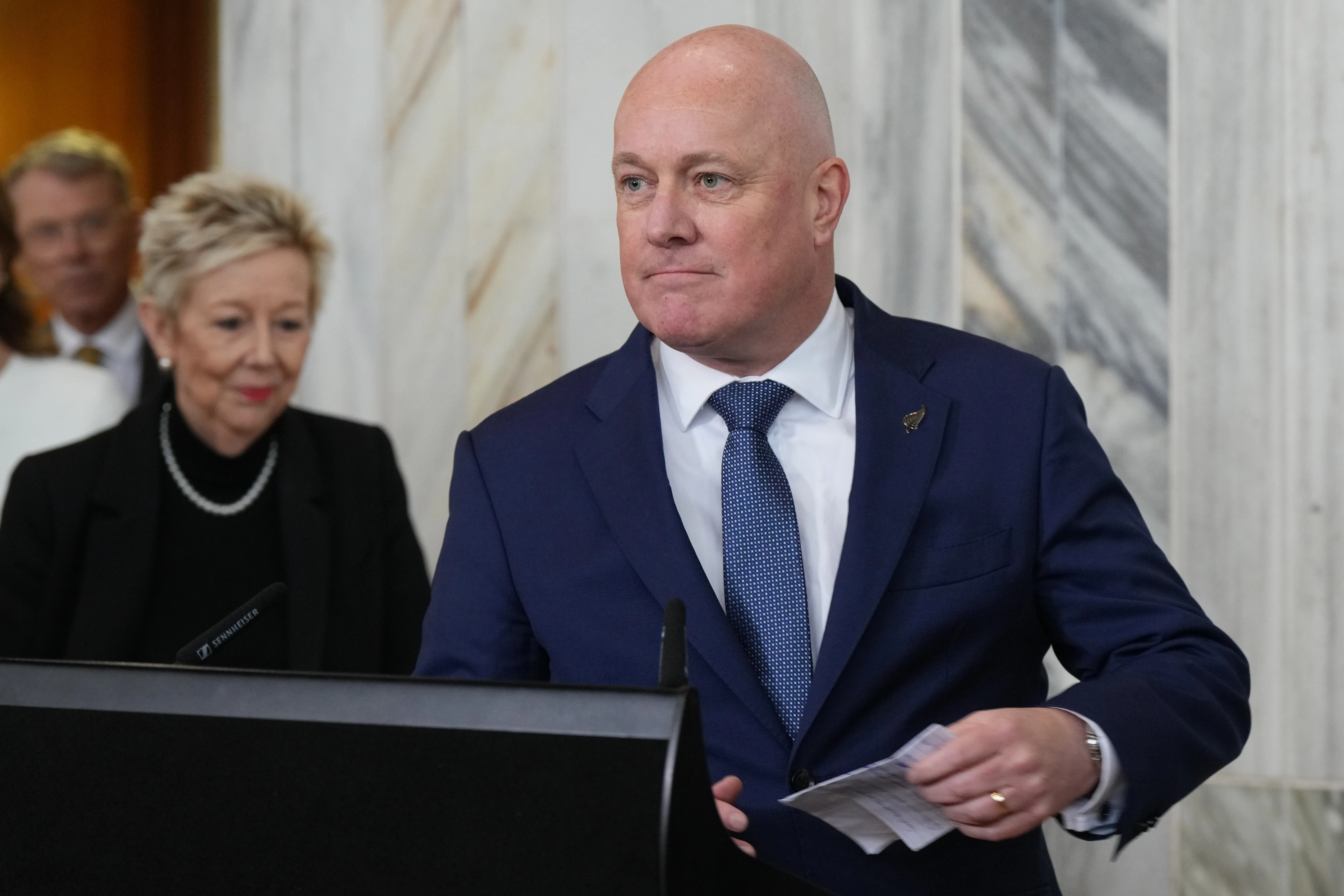
New Zealand Prime Minister Christopher Luxon has begun discussions with the leader of the Opportunity Party as he works to secure enough support to govern after the country’s general election. The first results suggest that Luxon’s three-party coalition could hold a majority of only two seats in Parliament. However, the final count may change that position, leaving the government dependent on support from a smaller political party.
Luxon confirmed that he had met Opportunity leader Qiulae Wong. The meeting marked an important step towards building a working relationship between the two sides. The Opportunity Party is expected to enter Parliament for the first time, giving it a possible role in deciding which policies can pass.
Special and overseas votes could make the political situation more difficult for Luxon. These ballots account for around one-seventh of the total vote and have often favoured left-leaning parties. The final count is expected on November 27. If the current coalition loses its narrow majority, the prime minister may need a formal agreement or other support from Wong’s party.
Opportunity has said it is ready to negotiate with whichever party wins the largest number of seats. Its priorities include stronger competition rules, tighter controls on political lobbying and limits on donations. It also wants action on health, climate and fishing policy. The party has not made its proposed universal basic income and land tax essential conditions for supporting a government.
Luxon had previously ruled out forming a coalition with Opportunity, but the election result appears to have changed his position. The prime minister must now balance the demands of his existing partners with the need to secure support from other lawmakers.
The negotiations will shape the next government and could influence New Zealand’s policy direction for the coming years. The final vote count will be especially important in determining how much freedom Luxon has to govern.
