

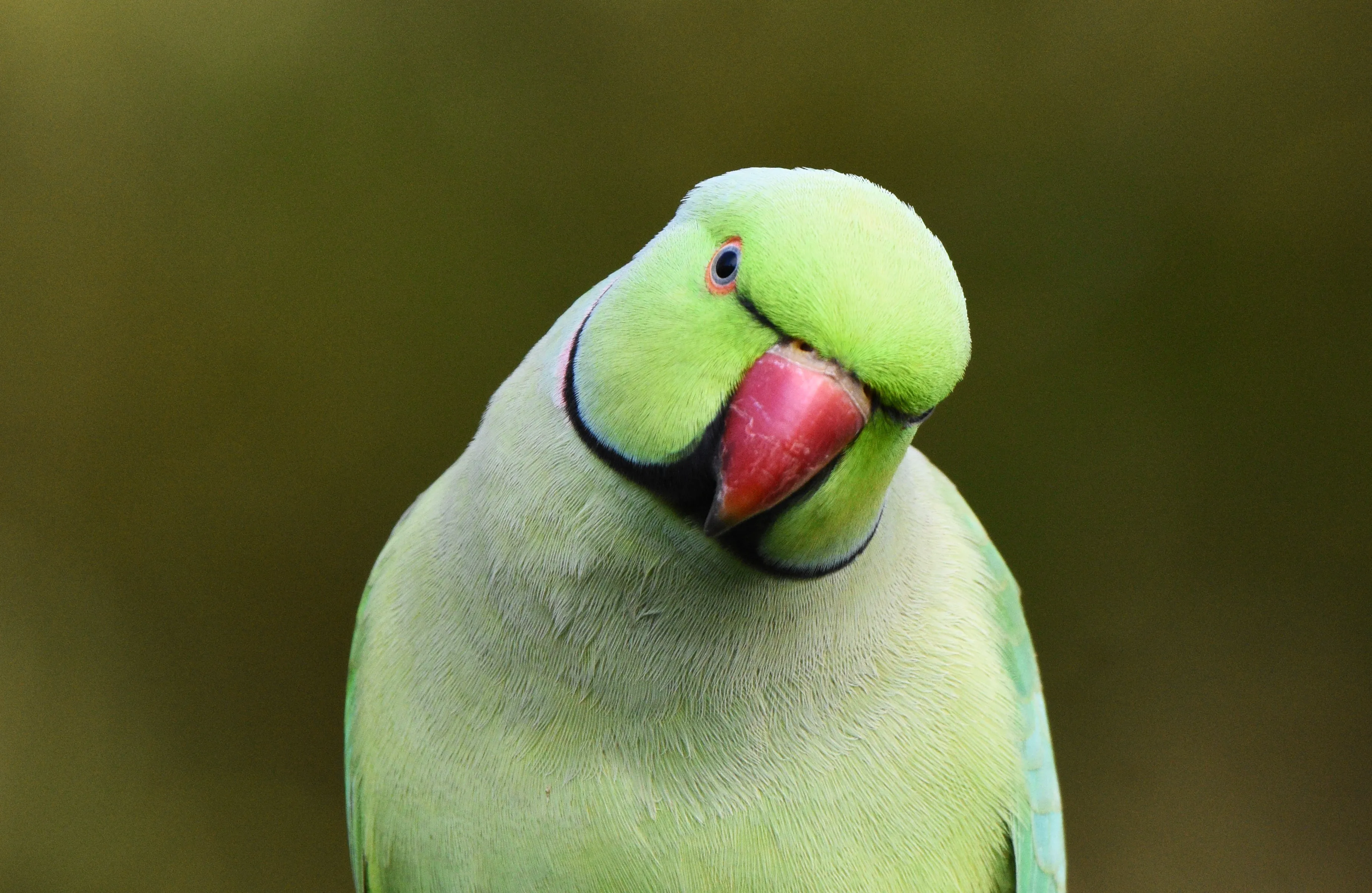
Bright green parakeets have become a familiar sight in many British cities, especially in London, where large groups gather in parks and cemeteries. Their colourful feathers and loud calls have made them popular with many residents and visitors. However, their growing numbers have also raised questions about their effect on native wildlife and whether stronger controls are needed.
The ring-necked parakeet originally comes from parts of Africa and Asia. The birds became established in Britain over several decades, most likely through escaped pets and deliberate releases. They have adapted well to the country’s climate and now live in large urban groups. One of the best-known gathering places is Hither Green cemetery in south-east London, where thousands can gather in trees at dusk.
Some conservation groups and landowners are concerned about the birds’ possible impact on local ecosystems. Studies in parts of Europe suggest that parakeets can compete with native species for nesting spaces and food. They may also damage fruit crops when large flocks visit orchards. These concerns have led to proposals to make it easier to control their numbers.
The British Association for Shooting and Conservation has suggested adding the birds to a list of species that can be hunted during certain periods. Supporters say this could give farmers and landowners a practical way to protect crops. However, wildlife advocates argue that a wider shooting policy would be unnecessary and could lead to the killing of birds that have become part of Britain’s urban environment.
Naturalist Chris Packham and other critics have questioned whether the birds are being unfairly described as a threat simply because they are not native. They argue that human activity has moved species around the world for centuries and that conservation decisions should be based on measurable environmental harm rather than a species’ place of origin.
The debate has become part of a wider discussion about how countries manage changing ecosystems. Britain’s parakeets are now both a popular urban sight and a subject of conservation concern. The challenge is finding a balanced approach that protects native wildlife while avoiding unnecessary harm to the birds.
