

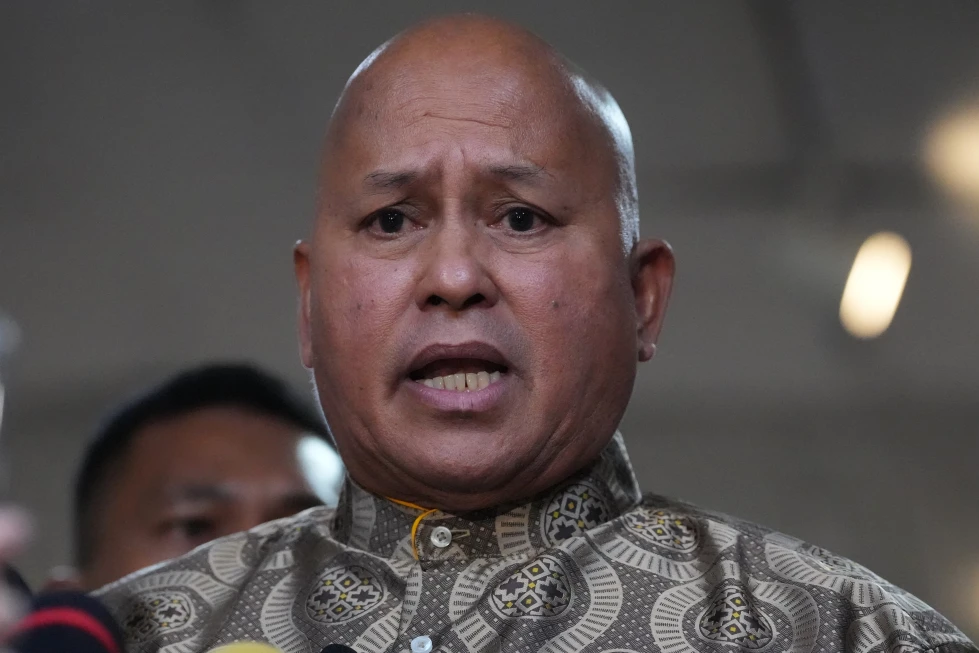
Philippine authorities have announced a major reward for information leading to the capture of Senator Ronald dela Rosa, who is wanted by the International Criminal Court over alleged crimes against humanity. The government said the bounty is worth 50 million pesos, or about $787,000. Officials hope the offer will help them locate the senator, who has remained out of public view since an international arrest warrant became public.
Dela Rosa served as the first national police chief under former President Rodrigo Duterte. He was closely linked to the government’s campaign against illegal drugs, which led to thousands of deaths during Duterte’s time in office. The international court is investigating alleged killings connected to the campaign. Dela Rosa is accused of involvement in murders, including cases dating from July 2016 to April 2018. He denies wrongdoing.
Interior Secretary Jonvic Remulla said authorities believe the senator may be in the southern Philippines. Officials are reportedly seeking a peaceful surrender to prevent a dangerous confrontation. Police have formed a special team to lead the search, while the government has described the wanted senator as armed and dangerous.
The case has renewed attention on the legal and political effects of the drug crackdown. Police figures and estimates from human rights groups differ sharply on the total number of people killed. Rights groups have long called for accountability, while Duterte and his allies have rejected accusations of unlawful killings.
Duterte was arrested in 2025 and transferred to the Netherlands to face proceedings at the international court. His trial is scheduled to begin on November 30, 2026. The investigation into the former president and his associates remains a major issue for Philippine politics.
The new bounty does not prove the allegations against dela Rosa. It is a law-enforcement measure intended to help locate him. The next steps will depend on the search, any negotiations over surrender, and the legal process that follows if he is captured. The case also raises wider questions about how governments respond when former officials face international legal action.
