

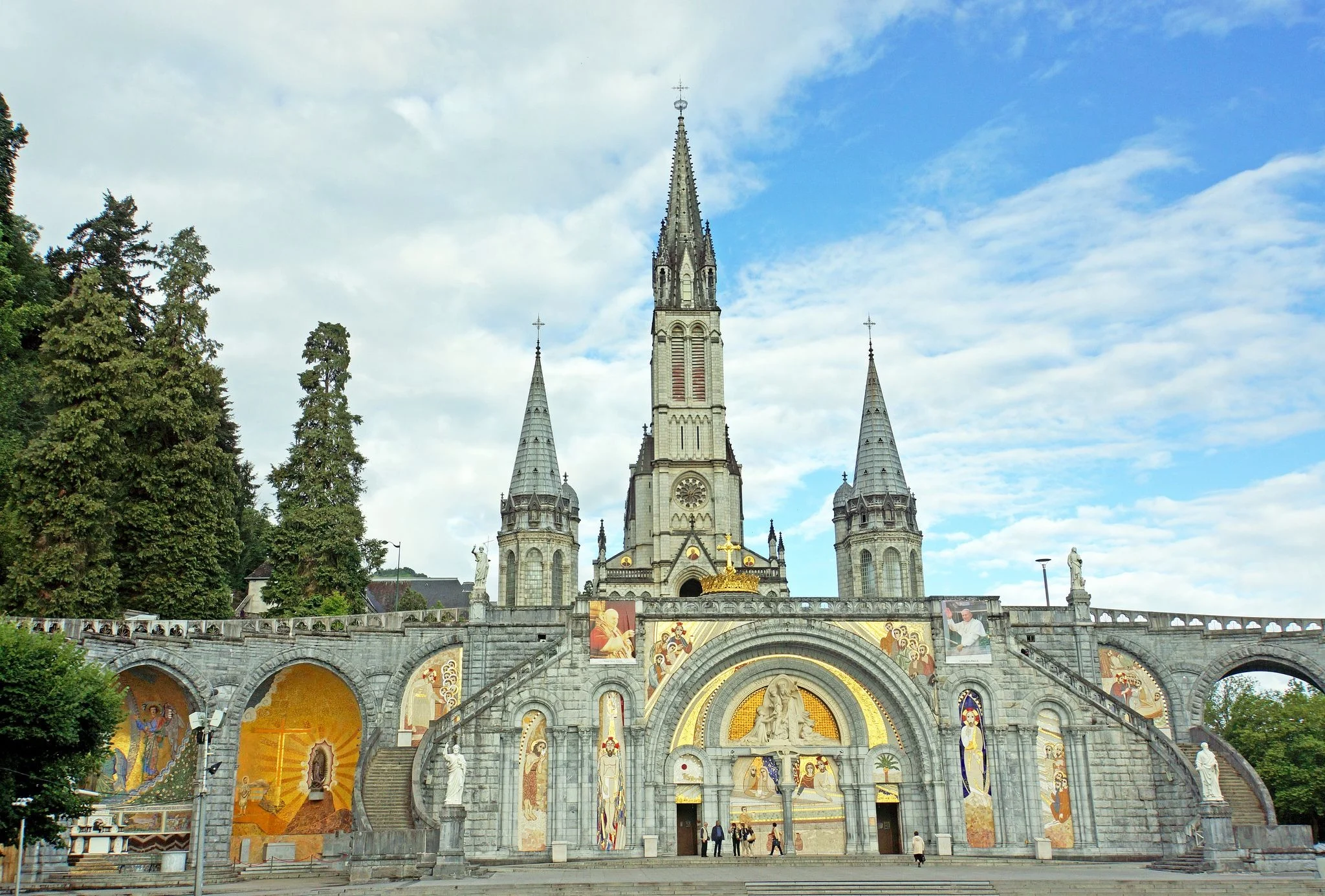
Pope Leo XIV is continuing his four-day apostolic journey through France today, traveling from Paris to the pilgrimage site of Lourdes as his historic visit to the country moves into its next chapter. The trip follows yesterday’s massive open-air Mass at Place de la Concorde, an event that drew several hundred thousand people to the heart of the French capital and stood as the visit’s most widely attended public moment so far.
Lourdes holds particular significance within the broader landscape of Catholic pilgrimage sites, having become one of the world’s most visited locations for religious pilgrims seeking healing and spiritual renewal since a series of reported apparitions there in the nineteenth century. Millions of visitors travel to the site annually, drawn by its famous grotto and healing waters, making today’s papal visit a particularly meaningful stop within the broader itinerary of this journey through France.
The pope’s schedule in Lourdes is expected to include time dedicated specifically to pilgrims, including those who have traveled to the site seeking healing or spiritual comfort amid serious illness or other significant life challenges. This aspect of the visit reflects a broader emphasis many observers have noted throughout the pope’s public engagements, focusing considerable attention on individuals facing hardship rather than solely on the more ceremonial and diplomatically significant elements of his travels.
Following the stop in Lourdes, the pope’s journey is scheduled to continue toward the northeastern city of Metz, where his visit is expected to focus specifically on themes of European unity and peace, according to details released ahead of the broader trip. This final stop carries its own symbolic weight given Metz’s historical position near the border regions that have witnessed considerable conflict throughout European history, making it a fitting location for a visit emphasizing reconciliation and continued peaceful cooperation across the continent.
Transportation and security arrangements throughout the pope’s continued travels have remained extensive, following the same pattern of careful planning that characterized his time in Paris. Local authorities in both Lourdes and Metz have coordinated closely with national security services to manage the logistics of hosting a visit of this significance, even as the scale of crowds expected at these subsequent stops is generally anticipated to be somewhat smaller than yesterday’s enormous gathering in the capital.
For French Catholics and pilgrims traveling from neighboring countries specifically to witness this visit, today’s continuation of the papal journey offers additional opportunities to participate in what many have described as a genuinely historic moment for the Catholic Church in France. The broader four-day visit, spanning multiple significant sites across the country, reflects the considerable effort French church leaders invested in securing this visit after nearly two decades without an official papal presence in the country.
As the pope’s journey continues toward its conclusion in the coming days, attention remains focused on both the spiritual significance of these remaining stops and the practical logistics involved in safely managing continued large-scale public gatherings. Whatever specific themes emerge from the pope’s remaining engagements in Lourdes and Metz, this extended visit has already left a considerable impression on French religious and civic life over its opening days.
