

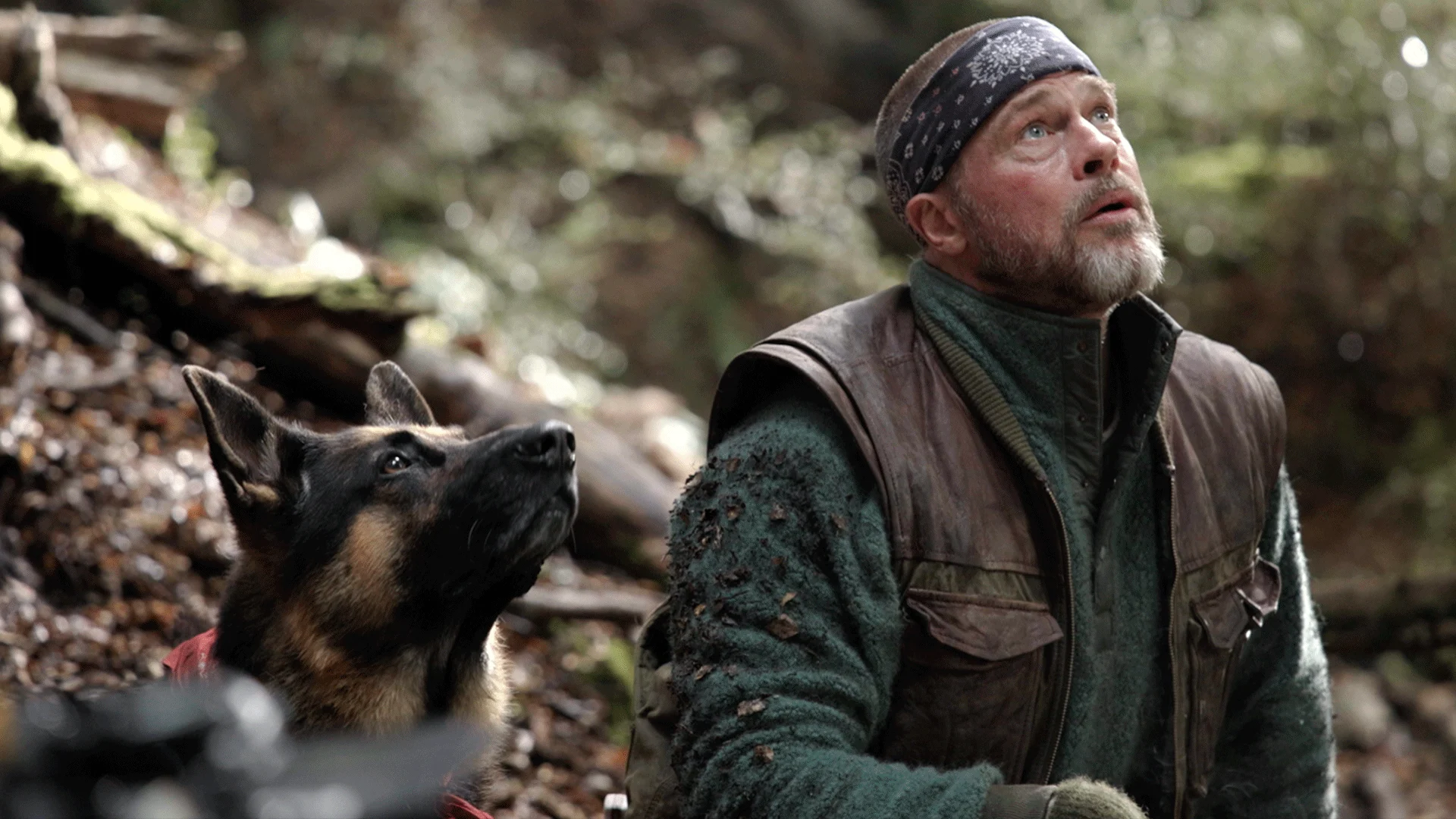
The intense wilderness survival thriller Heart of the Beast opens in theaters today, marking the latest big-screen collaboration between actor Brad Pitt and director David Ayer, whose previous work together has been closely watched by fans of gritty, character-driven action filmmaking. The film follows a special forces officer who, alongside his loyal combat dog, finds himself stranded deep in the Alaskan wilderness following a harrowing plane crash, forcing the pair into a brutal fight for survival against unforgiving natural elements throughout the remainder of the story.
Early buzz surrounding the film has centered heavily on the central relationship between Pitt’s character and his canine companion, a dynamic that filmmakers have described as the emotional core of the entire project despite its otherwise intense action and survival elements. This focus on the bond between a human protagonist and an animal companion places the film within a broader tradition of survival narratives that use such relationships to ground otherwise extreme physical circumstances in something emotionally accessible and relatable for general audiences.
Director David Ayer has built a career around gritty, physically demanding productions, and reports from the film’s production process suggest this project continued that pattern, with significant location shooting undertaken in genuinely remote and challenging wilderness environments to capture authentic survival conditions on screen. This commitment to practical, location-based filmmaking has become something of a signature element in Ayer’s directorial approach, distinguishing his work from productions that might rely more heavily on studio sets or digital effects to simulate similarly extreme environments.
The supporting cast includes several accomplished performers whose presence adds further depth to the production beyond its central survival narrative, reflecting the film’s ambition to be more than simply an action-focused thriller. Marketing materials for the film have emphasized both its intense physical stakes and its underlying emotional themes, suggesting a production aiming to appeal to audiences seeking both visceral survival drama and a more grounded emotional throughline running beneath the film’s more spectacular set pieces.
The film’s release arrives during a particularly competitive period for new theatrical content, with several other notable titles opening around the same date as studios compete for audience attention during this transitional stretch between summer blockbuster season and the more prestige-focused films typically released later in the fall calendar. Industry analysts will be watching opening weekend performance closely, given the significant marketing investment behind a film built around a recognizable star and an accomplished director working in a genre with generally reliable audience appeal.
Critics who have already reviewed the film ahead of its wide release have offered generally positive assessments of its technical craft, particularly praising the authenticity of its wilderness cinematography and the physical intensity Pitt brings to his central performance. Some reviews have noted that the film’s relatively straightforward survival premise allows it to focus intensely on character and physical tension rather than more complicated plotting, a choice that has generally been received favorably by early audiences drawn to this specific type of visceral, stripped-down survival storytelling.
As today’s wide release brings the film to theaters nationwide, audience reception over the coming days will ultimately determine how successfully this latest Pitt and Ayer collaboration resonates with moviegoers. Whether the film’s combination of intense wilderness survival stakes and its central human-animal relationship proves sufficient to draw strong box office numbers remains to be seen, but the significant talent involved both in front of and behind the camera has already generated considerable anticipation heading into its theatrical debut.
